Before You Travel
Written for someone who has booked a date rather than for a browser: what we need from you and by when, and what you can safely leave until you arrive.
Entry And Documents
Citizens of the United Kingdom, France, Germany, Italy, Spain and the Nordic countries enter without a visa for up to 45 days. Australians, Americans, Canadians and New Zealanders apply for the e-visa at evisa.gov.vn — 25 USD single entry, 50 USD multiple, valid up to 90 days and accepted at more than eighty air, land and sea entry points.
Money And Costs
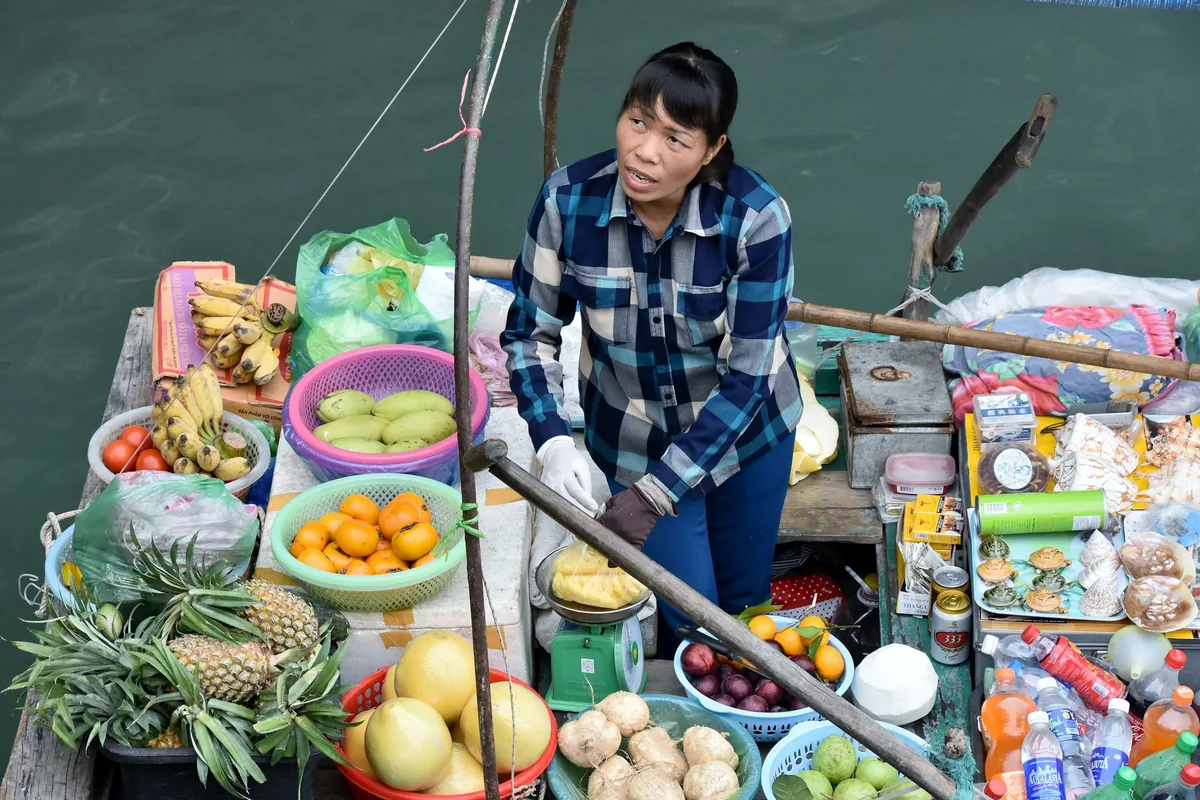
The dong is the only legal tender; prices are quoted in it, and the notes run to 500,000. ATMs are everywhere in cities and towns, most accept foreign cards, and the withdrawal fee is usually the equivalent of a dollar or two. Cards work in hotels and larger restaurants but not at markets, small cafés or rural stops. Carry small notes for those.
Health And Water
No vaccination is required for entry from most countries, though hepatitis A and typhoid are commonly advised, and rabies cover is worth discussing if you plan to cycle. Tap water is not for drinking anywhere in Vietnam; bottled and filtered water is universal and our vehicles carry it. Bring insurance that covers medical evacuation, since good hospitals are concentrated in Hanoi, Da Nang and Ho Chi Minh City.
Top Highlights
- The e-visa at evisa.gov.vn costs 25 USD for single entry and is normally issued in three working days; apply at least a fortnight ahead.
- Vietnam has three climates at once — plan clothing by region and month rather than assuming one season covers the whole country.
- Central Vietnam takes most of the country’s typhoons between September and December; Hoi An and Hue can flood in October and November.
- Domestic flights between Hanoi, Da Nang and Ho Chi Minh City take about two hours and cost far less than the equivalent train.
- Temples and pagodas expect covered shoulders and knees; shoes come off at the threshold, and hats and sunglasses come off too.
- Tap water is not drinkable, so take a refillable bottle, as most hotels and all our vehicles provide filtered water at no charge.
Currency
Vietnamese dong (VND)
Visa
45 days visa-free for many Europeans; e-visa 25 USD
Best Months
Oct–Apr north, Feb–Aug centre, Dec–Apr south
Time Zone
UTC+7, no daylight saving
Language
Vietnamese; English in tourism
Plugs
Type A, C and F, 220V
Citizens of the United Kingdom, France, Germany, Italy, Spain, Denmark, Sweden, Norway, Finland, Japan and South Korea enter visa-free for up to 45 days, and Vietnam has added further European nationalities under temporary schemes. Australians, Americans, Canadians, New Zealanders and Irish travellers use the e-visa: apply at evisa.gov.vn, pay 25 USD for single entry or 50 USD for multiple, and expect approval in about three working days. The e-visa allows a stay of up to 90 days and is accepted at more than eighty air, land and sea checkpoints, including all the international airports and most border gates.
Your passport needs six months of validity beyond arrival and a blank page. Print the approval letter — some airline check-in desks still ask to see it on paper.
Visa rules in the region change often. Confirm the current position with the Vietnamese embassy or consulate for your nationality before you book flights.
There is no single best season. The north — Hanoi, Halong Bay, Sapa and Ninh Binh — is coolest and driest from October to April, with a genuinely cold spell in January and February when Sapa can drop close to freezing. Summer in the north is hot and wet.
The centre works on a different calendar. February to August is dry and bright in Hue, Da Nang and Hoi An, while September to December brings the typhoon season and the heaviest rain of the year. Hoi An floods most years in October or November, usually for a few days at a time.
The south stays warm all year, with a dry season from December to April and afternoon downpours from May to November that rarely last more than an hour.
If you want one month that works nearly everywhere, take March or early April.
The Vietnamese dong is the only currency you can spend. Prices are quoted in dong, and the notes are confusing at first because the largest is 500,000 and several denominations share similar colours. Count carefully when you pay, particularly at night.
ATMs are common in every city and most towns. Foreign cards work in the great majority of them; the machine charges a fee of its own, usually the equivalent of a dollar or two, and per-withdrawal limits vary by bank. Take out larger amounts less often.
Cards are accepted in hotels, tour offices and mid-range restaurants upwards. Markets, street food, taxis in small towns, entrance donations and boat operators are cash. You do not need US dollars for daily spending, though a small reserve in clean notes is useful in an emergency.
Tipping is not customary but is now common for guides and drivers.
Vietnam is long, and internal flights save days. Vietnam Airlines, Vietjet and Bamboo Airways connect Hanoi, Da Nang, Hue, Nha Trang, Ho Chi Minh City and Phu Quoc; the Hanoi to Ho Chi Minh City leg takes just over two hours against about thirty-two hours by train.
The Reunification railway is worth doing in sections rather than end to end. The stretch between Hue and Da Nang, over the Hai Van Pass, takes about three hours and is the one most people enjoy. Soft sleeper is the class to book.
Sleeper buses cover routes the trains do not reach, though standards vary. In cities, Grab handles both cars and motorbikes and removes the fare negotiation.
Roads are busy and traffic rules are interpreted loosely. Cross at a steady, predictable pace and let the traffic flow around you — hesitating mid-road is what causes problems.
No vaccinations are required for entry from Europe, North America or Australia. Doctors commonly suggest hepatitis A, typhoid and tetanus, and rabies pre-exposure cover if you plan to cycle or spend time in rural areas. Malaria risk is low in the places these trips visit, though dengue occurs in the south and during the wet months, so insect repellent matters more than tablets.
Do not drink tap water. Bottled and filtered water is available everywhere, ice in restaurants and hotels is made from treated water and is fine, and our vehicles carry a supply.
Vietnam is a low-crime country for travellers. The main risks are road traffic and opportunistic bag-snatching from motorbikes in Ho Chi Minh City — keep your phone out of your hand near the kerb.
Take insurance that includes medical evacuation. Serious cases are usually flown to Bangkok or Singapore.
Dress for temples and pagodas means shoulders and knees covered, for everyone. Shoes come off before you step onto the mat or into the sanctuary, and hats and sunglasses come off as well. Photograph monks and worshippers only after asking.
The head is regarded as the highest part of a person and the feet the lowest. Do not pat anyone on the head, including children, and do not point the soles of your feet at people or at an altar when you sit down.
Hand things over with both hands, or with the right hand supported at the elbow by the left. It reads as courteous rather than formal.
Vietnamese conversation avoids raised voices. Anger in public loses the argument rather than winning it, and a calm question usually gets a faster result.
Remove your shoes when entering a private home; you will normally be offered slippers.
Journeys through Vietnam
Departures that take in this part of Vietnam, plus the other places we cover there in depth.