
A Thousand Years In One City
Hanoi is where jet lag is absorbed and where the group forms. We keep the first afternoon free, walk the guild streets when the shops are opening rather than at midday, and eat where the guide's own family eats.

What Hanoi Tastes Like
Bun cha — pork grilled over charcoal, dropped into a bowl of sweet-sour broth with herbs and cold noodles — was invented here and is still eaten at lunch, not dinner. Pho came out of the villages south of the city. Egg coffee, whipped yolk over strong black coffee, was a wartime substitute for milk that outlived the shortage. Eat where the plastic stools are full.

Things Only Hanoi Does
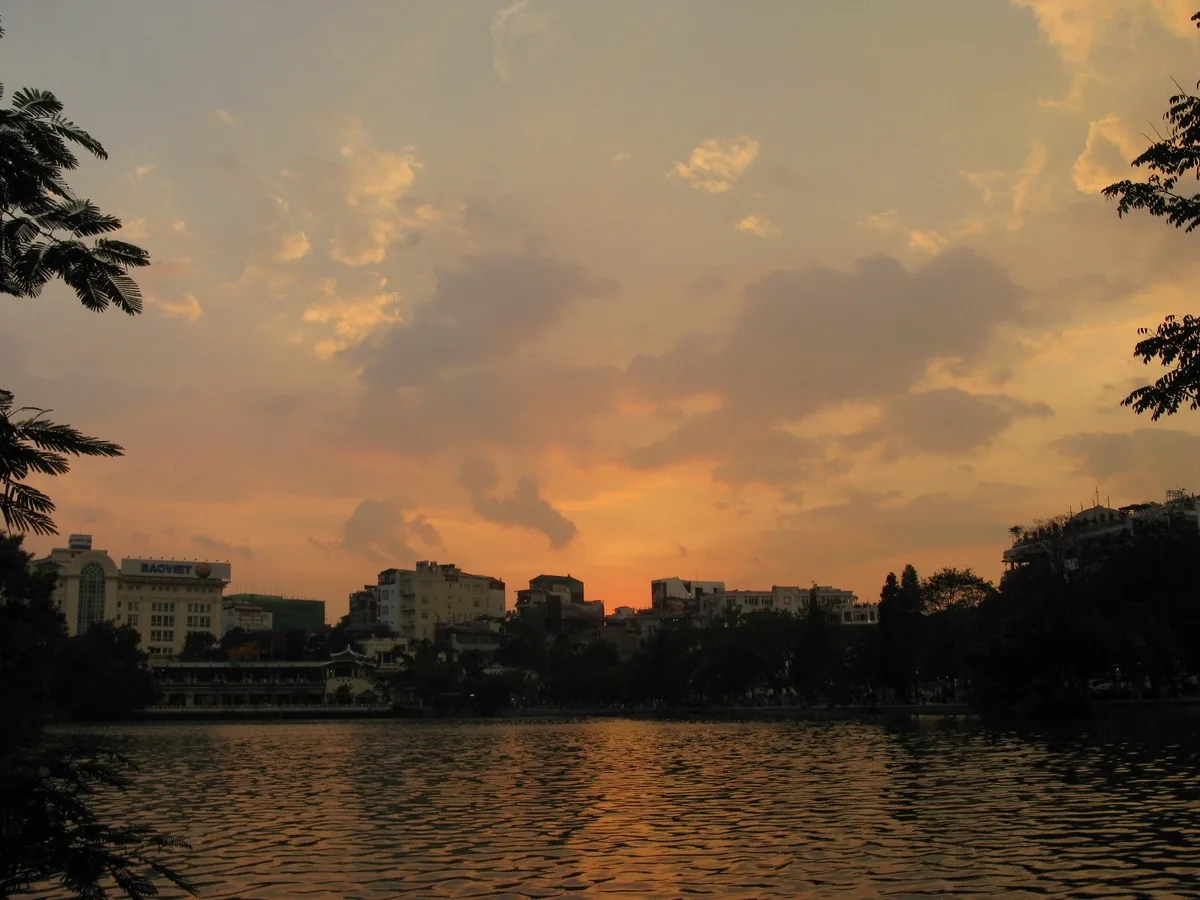
The water puppet tradition began in flooded rice fields north of the city and now runs nightly on a stage of waist-deep water. At five in the morning the shore of Hoan Kiem fills with people doing tai chi, badminton and a great deal of standing about. On Friday evenings the streets around the lake close to traffic entirely.
Meeting People Here
Hanoians talk to strangers less readily than southerners and more warmly once started. A pottery afternoon at Bat Trang, a market walk with a cook before a class, or an hour with a veteran at a tea stall will teach you more than any museum. Our guides live here, and the introductions are theirs, not a script.
Top Highlights
- Walk the thirty-six streets of the Old Quarter, each one named for the trade that once filled it — silk, tin, bamboo, votive paper.
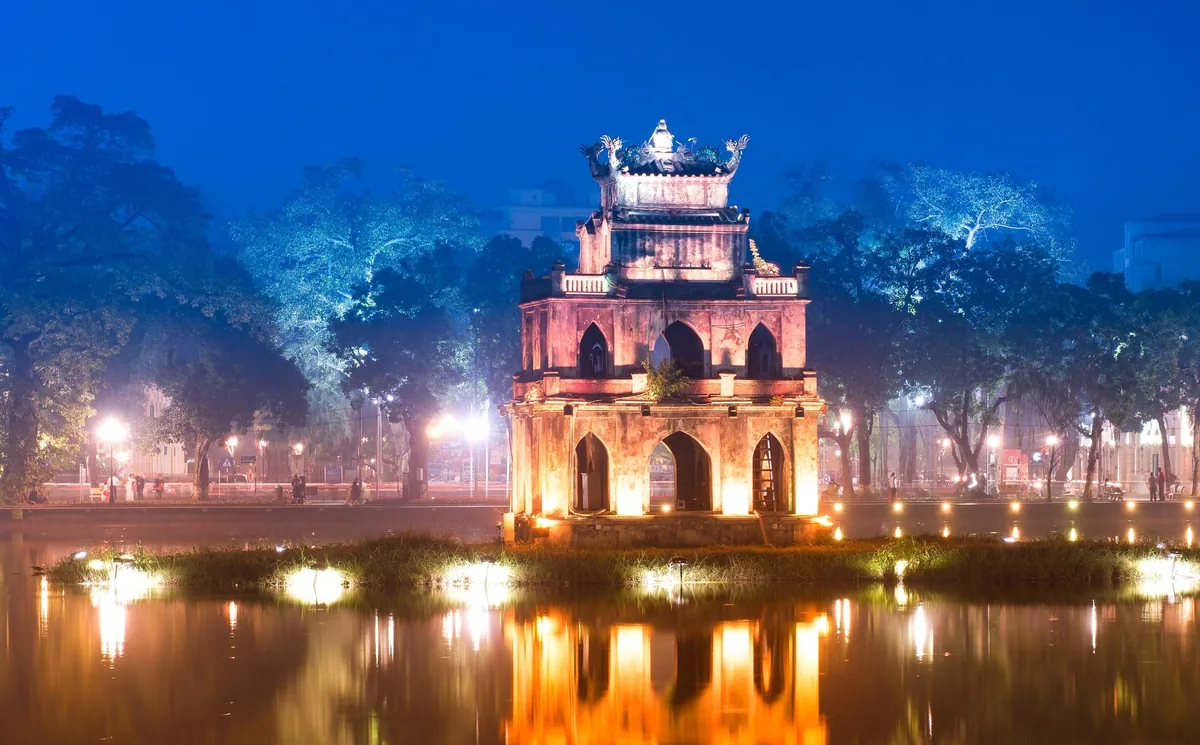
- Cross the red bridge to Ngoc Son Temple on its island in Hoan Kiem Lake, best at first light before the crowds.
- Stand in the Temple of Literature, Vietnam’s first university, founded in 1070 and still ringed by stelae naming its graduates.
- Watch a water puppet show at Thang Long Theatre, an art form eight centuries old performed over a pool.
- Eat bun cha at lunchtime and egg coffee in the afternoon, then join the bia hoi crowd on a street corner at dusk.
- Walk out along the 1902 Long Bien Bridge, bombed repeatedly during the war and patched rather than replaced.
Region
Red River Delta, northern Vietnam
Airport
Noi Bai (HAN), 27 km, 45 minutes
Best Months
October to December, and March to April
Suggested Stay
Three nights, four if you add Bat Trang or Duong Lam
Known For
Old Quarter, street food, water puppets
Pairs With
Halong Bay, Ninh Binh, Sapa
Hanoi holds roughly eight and a half million people across a metropolitan area that swallowed several provinces in 2008. The centre, though, is small and flat enough to walk. The Red River defines its eastern edge; a ring of lakes, some natural and some the remains of old river channels, punctuate the rest.
The city has been capital under the Ly, Tran and Le dynasties, a French colonial administrative seat, the capital of North Vietnam and, since 1976, the capital of the whole country. Very little was demolished in the process, which is why a Buddhist pagoda, a colonial villa and a socialist ministry can share one block.
Ly Thai To moved his capital here in 1010 and named it Thang Long, the ascending dragon. The citadel he built was extended by later dynasties and partly excavated in 2002; the site is now on the UNESCO list.
The French took the city in 1882 and rebuilt its southern quarter with boulevards, an opera house modelled on the Palais Garnier, and the villas that still line Phan Dinh Phung. American bombing during the Christmas raids of 1972 hit Kham Thien street and the Bach Mai hospital; the B-52 wreckage in Huu Tiep lake was left where it fell.
Doi Moi, the economic reforms of 1986, changed the city more than any war did. The private shophouse returned, and with it the Hanoi visitors see now.
Autumn — late September through December — is the season Hanoians themselves rate: dry, clear, and warm enough for a shirt. March and April are similar but with more drizzle, the fine mist locals call mua phun.
June to August is hot and humid, above 35°C for stretches, with heavy afternoon rain and the risk of typhoons on the coast affecting travel to Halong. January and February are cold by tropical standards, 10 to 15°C, damp and grey, though Tet in late January or February fills the city with kumquat trees and peach blossom.
Noi Bai International Airport is 27 km north, about 45 minutes by road, with direct flights from most Asian hubs and a growing number from Europe. The Reunification Express runs south from Hanoi station; the sleeper to Hue takes about 13 hours, to Danang around 16.
In the city, walking covers the Old Quarter and the lake. Grab, the regional ride app, is cheap and removes the negotiation. Two metro lines now run, useful for the western suburbs but not for the sights. Cyclos exist for tourists and should be priced before boarding.
The Old Quarter puts you inside the noise, a few steps from the food, in small hotels that are rarely quiet before midnight. The French Quarter, south of the lake, is where the grand addresses are — the Metropole opened in 1901 — along with wider pavements and less traffic.
West Lake suits travellers who want space, a pool and a view, at the cost of a fifteen-minute drive each time you go into town. We book all three, and steer families and light sleepers away from Ta Hien.
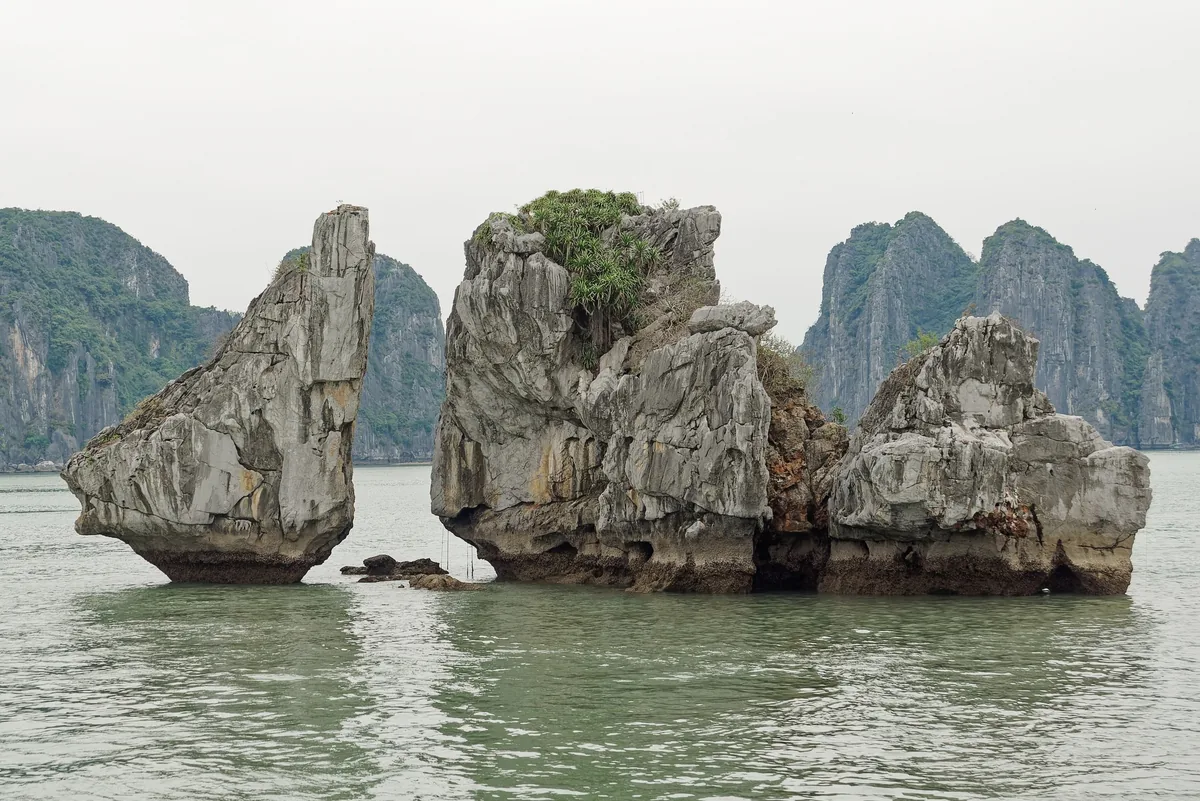
Halong Bay is a three-hour drive on the expressway, and worth an overnight on the water rather than a day trip. Ninh Binh, sometimes called the inland bay, is ninety minutes south and can be done in a day, though it rewards a night.
Closer still: Bat Trang has been firing pottery for six hundred years and sits twenty minutes downriver. Duong Lam is a laterite-walled village of the same age, an hour west. Both make good half-days when the city starts to feel loud.
Journeys through Vietnam
Departures that take in this part of Vietnam, plus the other places we cover there in depth.