Skip to content

Laos

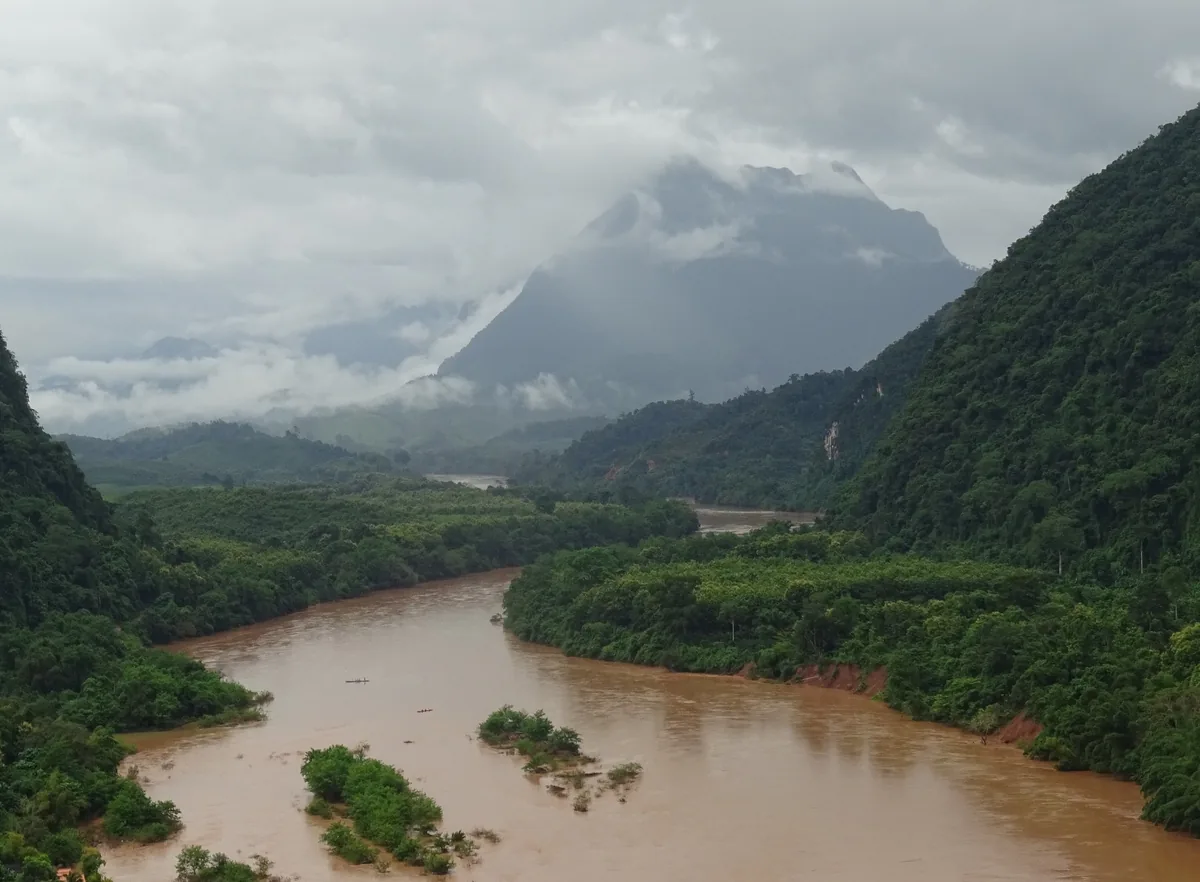
Laos landscape

Simply Beautiful

Travellers after something unvarnished in Southeast Asia tend to end up in Laos. Nature runs through nearly everything here, and the country keeps handing out small surprises along the road. The Land of a Million Elephants is landlocked and culturally deep, with few people spread across a lot of ground. Most Laotians are Buddhist, and visitors are met with genuine warmth.

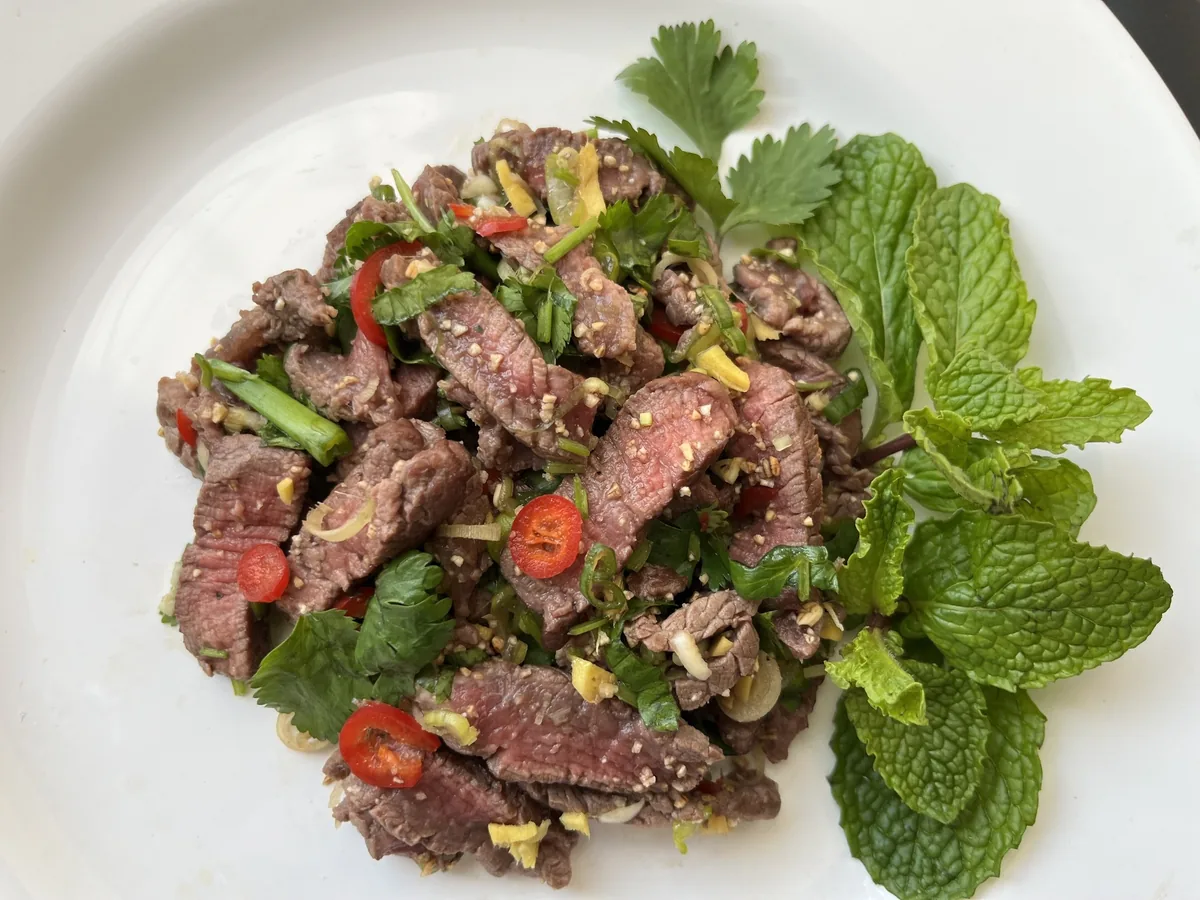
Som tum spicy papaya salad with shrimp paste thai laos food

Unique Flavours

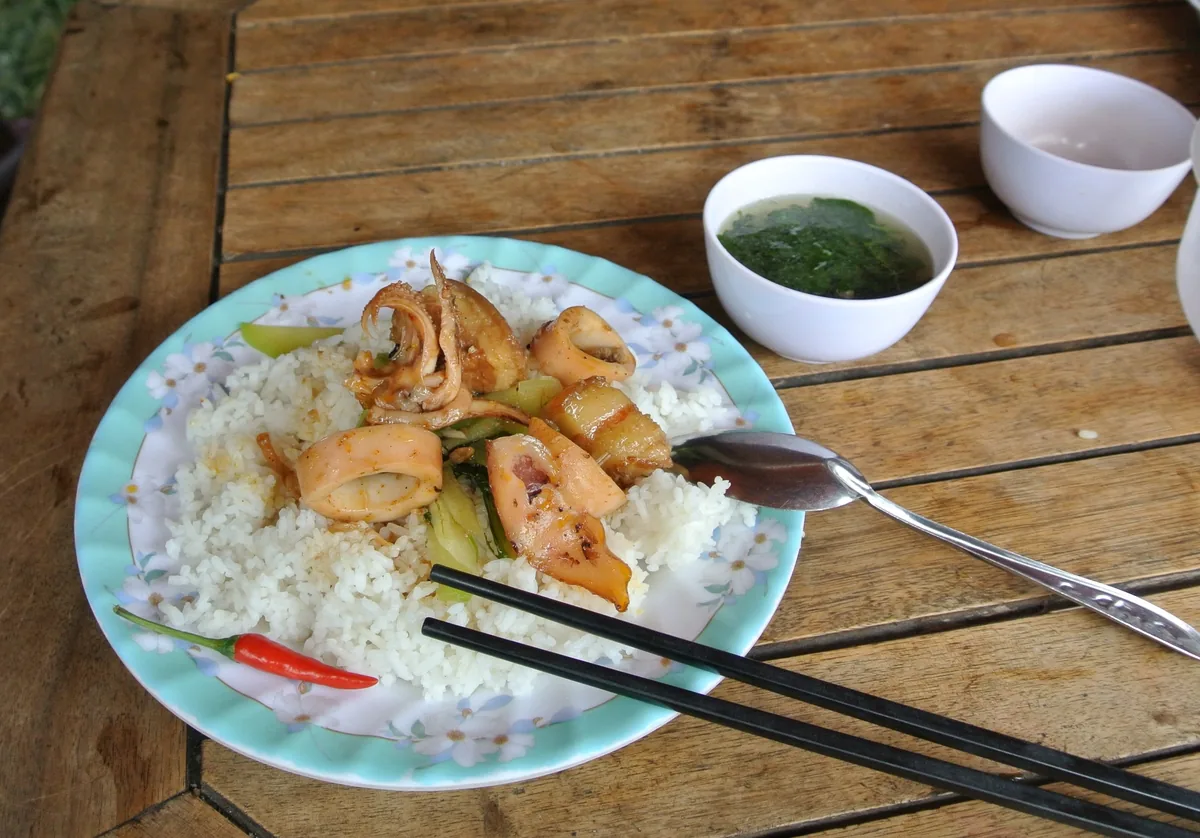
Cook over bamboo in a hands-on class, roll noodles by hand, taste Lao coffee and walk a working plantation. Food here covers plenty of ground.

Laos mekong river

Unique Experiences

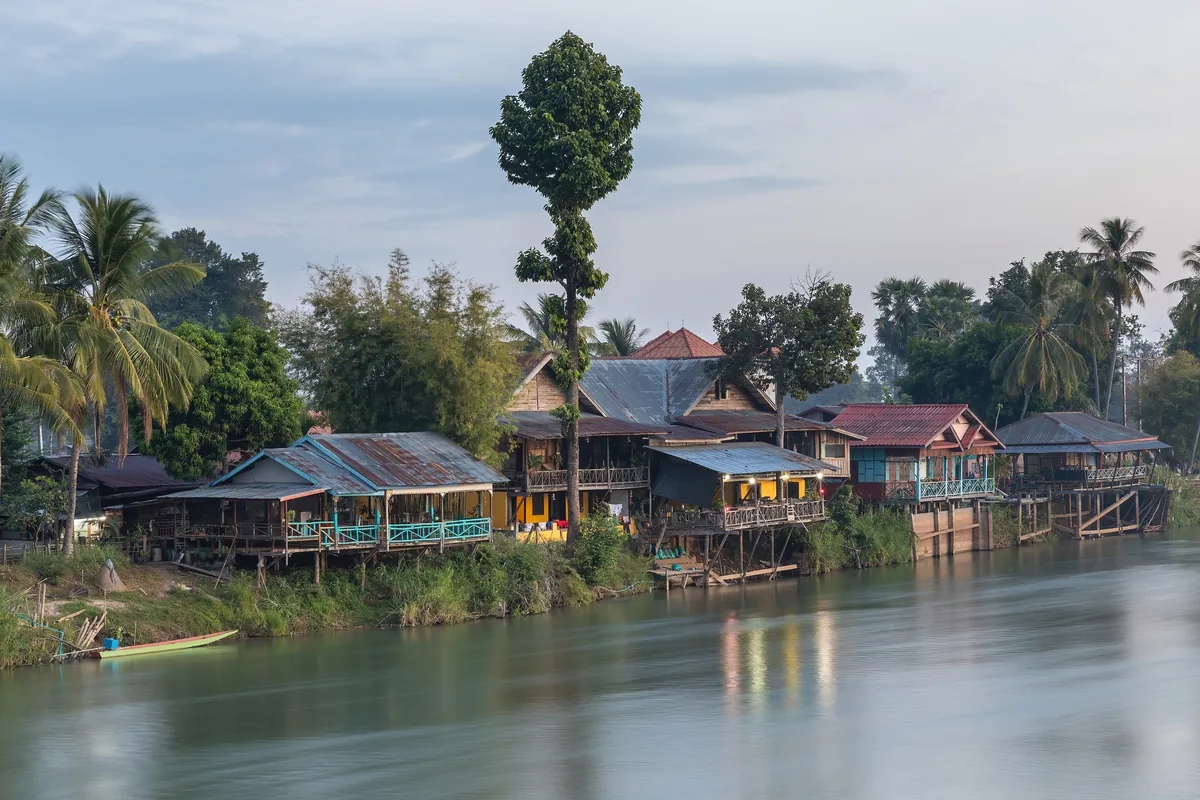
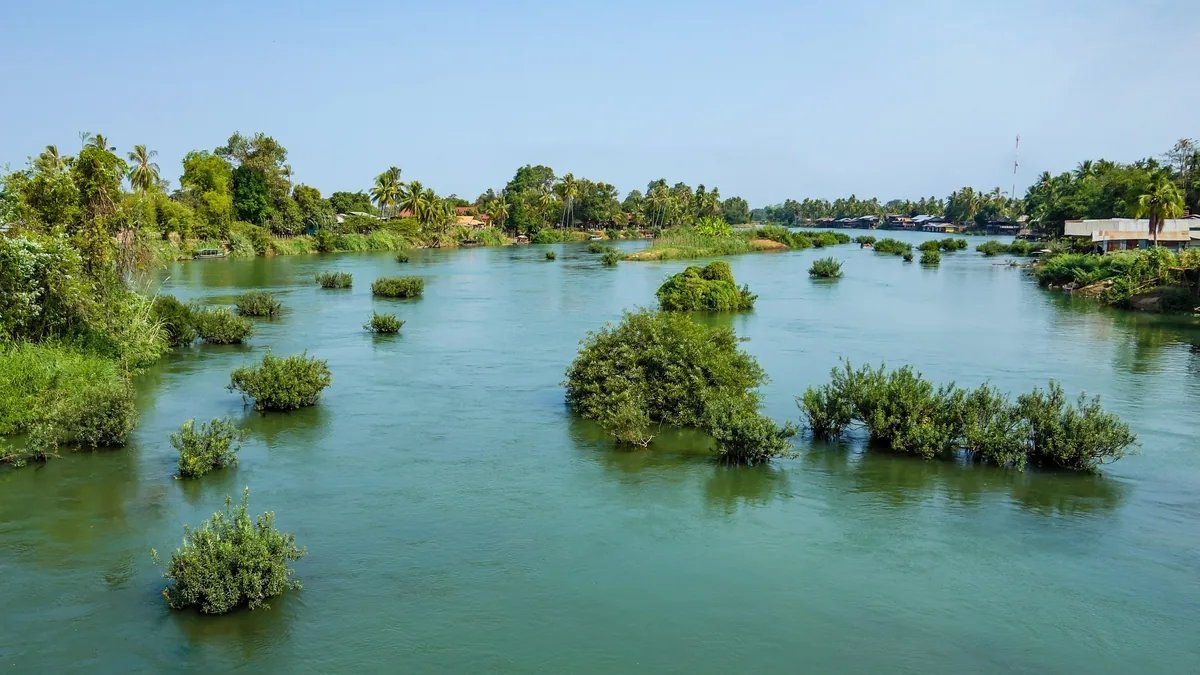
Make for the 4,000 Islands and watch for the elusive Irrawaddy freshwater dolphin, pedal out to small villages, then sleep at a riverside lodge with the Mekong at your feet.

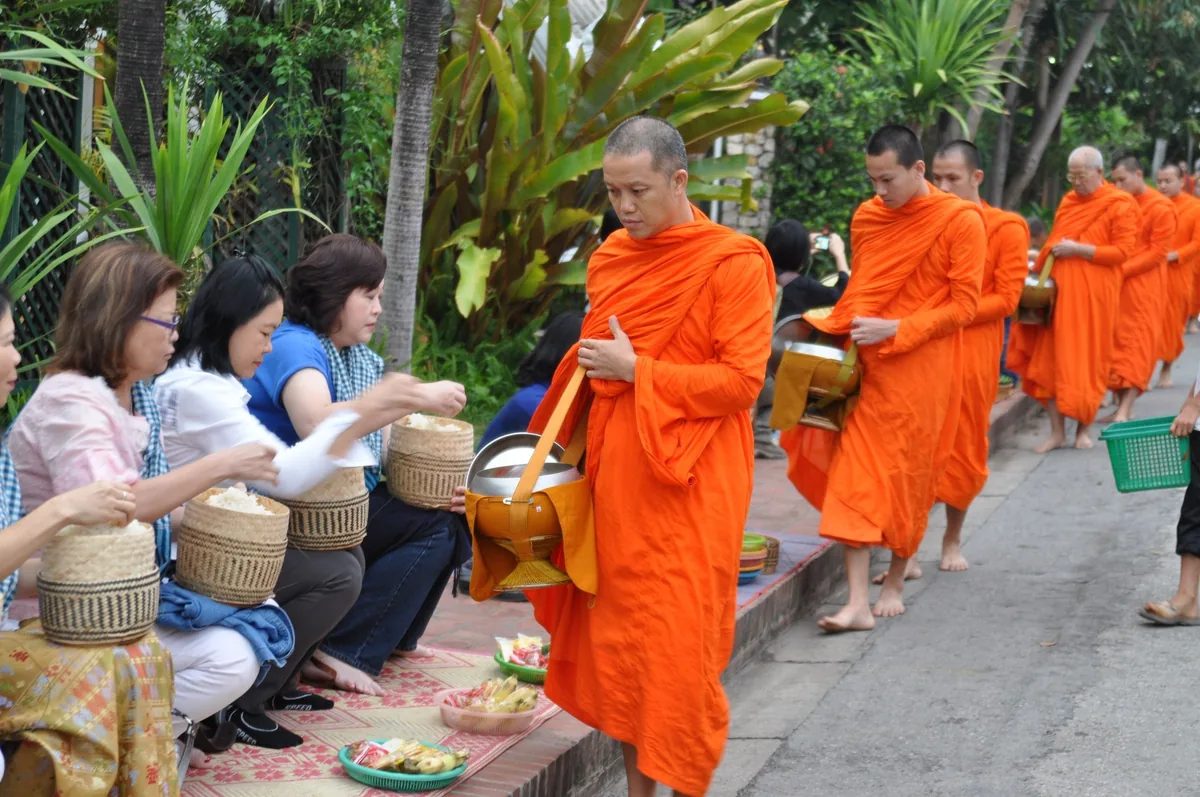
Laos luang prabang buddhist alms giving ceremony in the morning

Local Encounters

Take a turn at petanque, the pastime Laos has adopted as its own, or accept a 'baci' blessing inside a family's house and see how daily life really works.

Flag of Laos

Top Highlights

Laos landscape

Capital

Vientiane

Currency

Kip

Language

Laotian

Population

7 Million

Religion

Buddhism

Time

GMT+7

Laos landscape
Vientiane
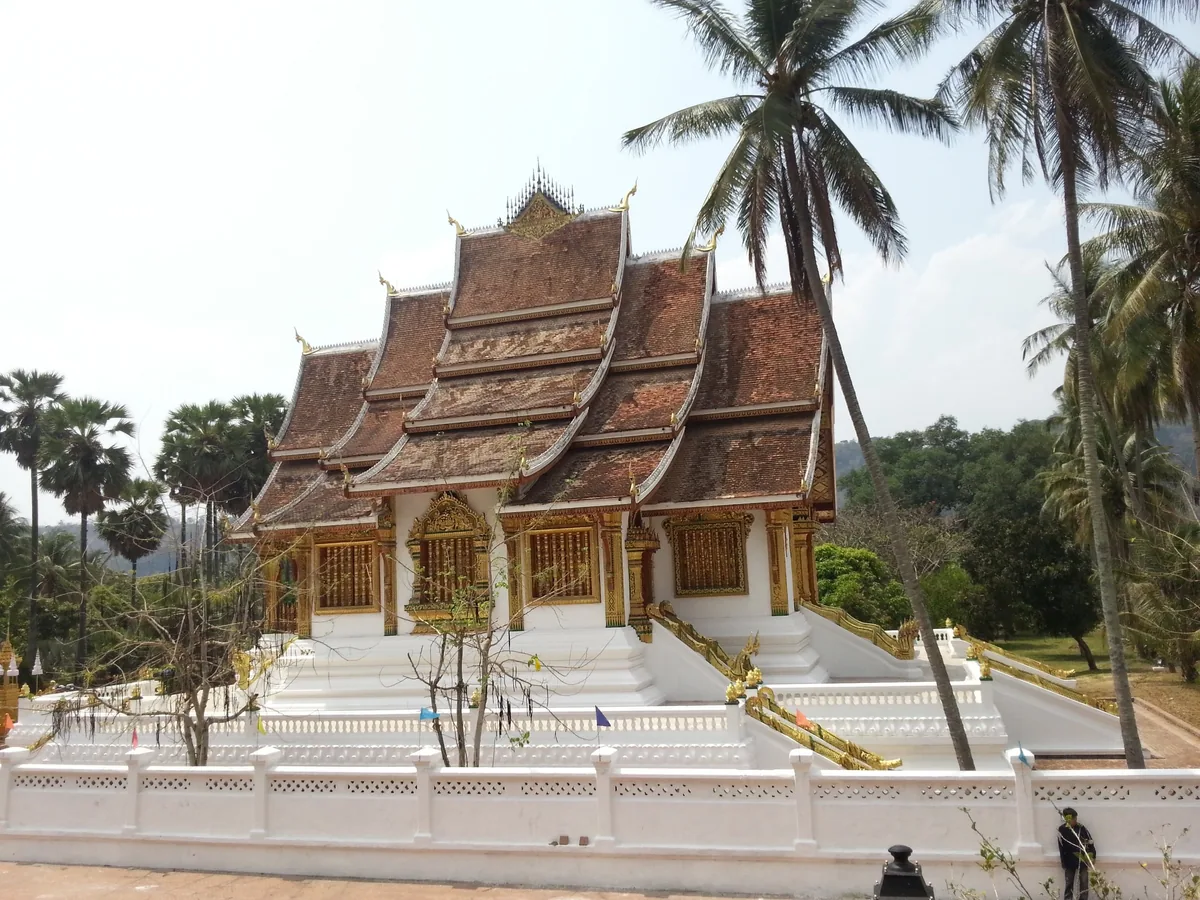
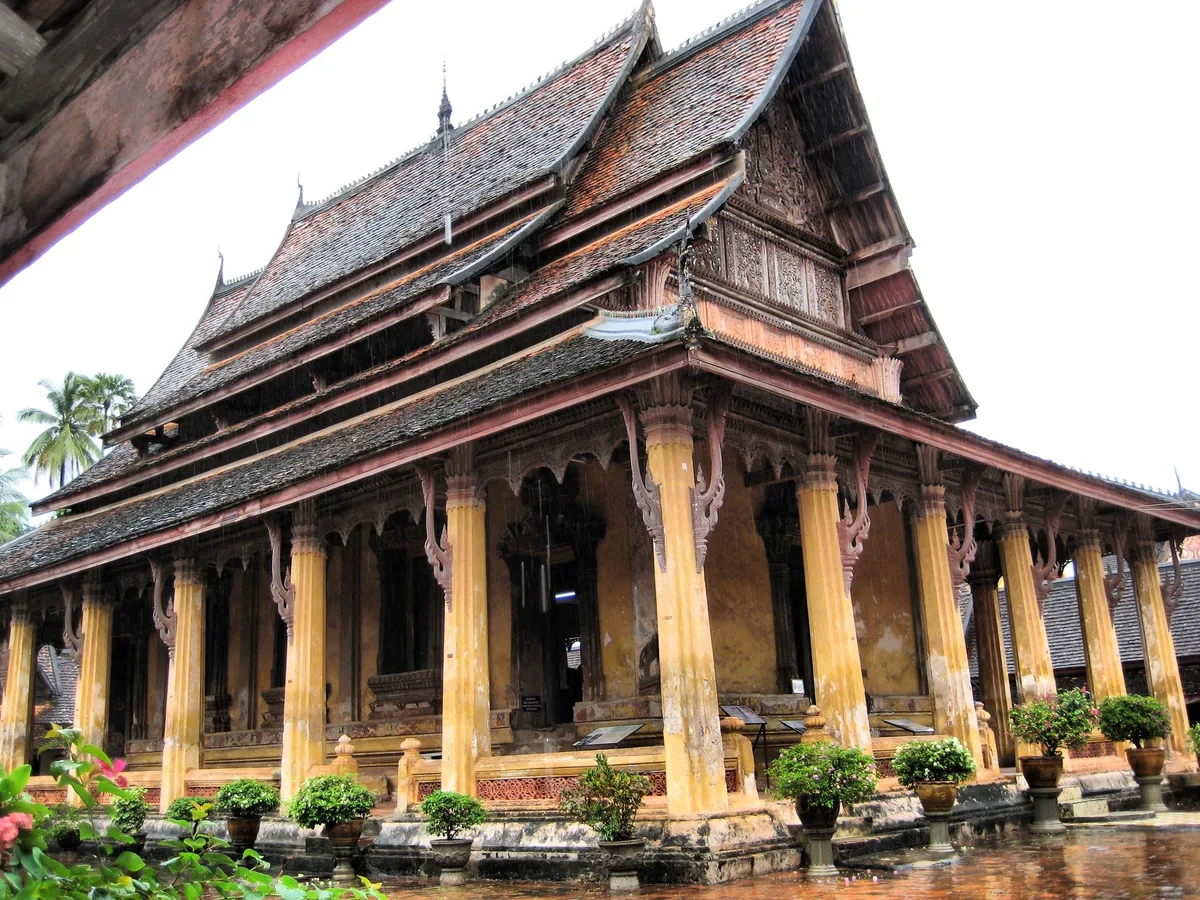
Vientiane sits on the Mekong a short way from the Thai border, where Asian forms and French colonial facades share the same streets. Temples and Buddhist monuments fill the city, Pha That Luang chief among them. The French link shows in the architecture and just as clearly at breakfast, when baguettes come out of the oven beside stalls ladling hot noodle soup. This is where the culture, business and government of Laos all converge.
Vang Vieng
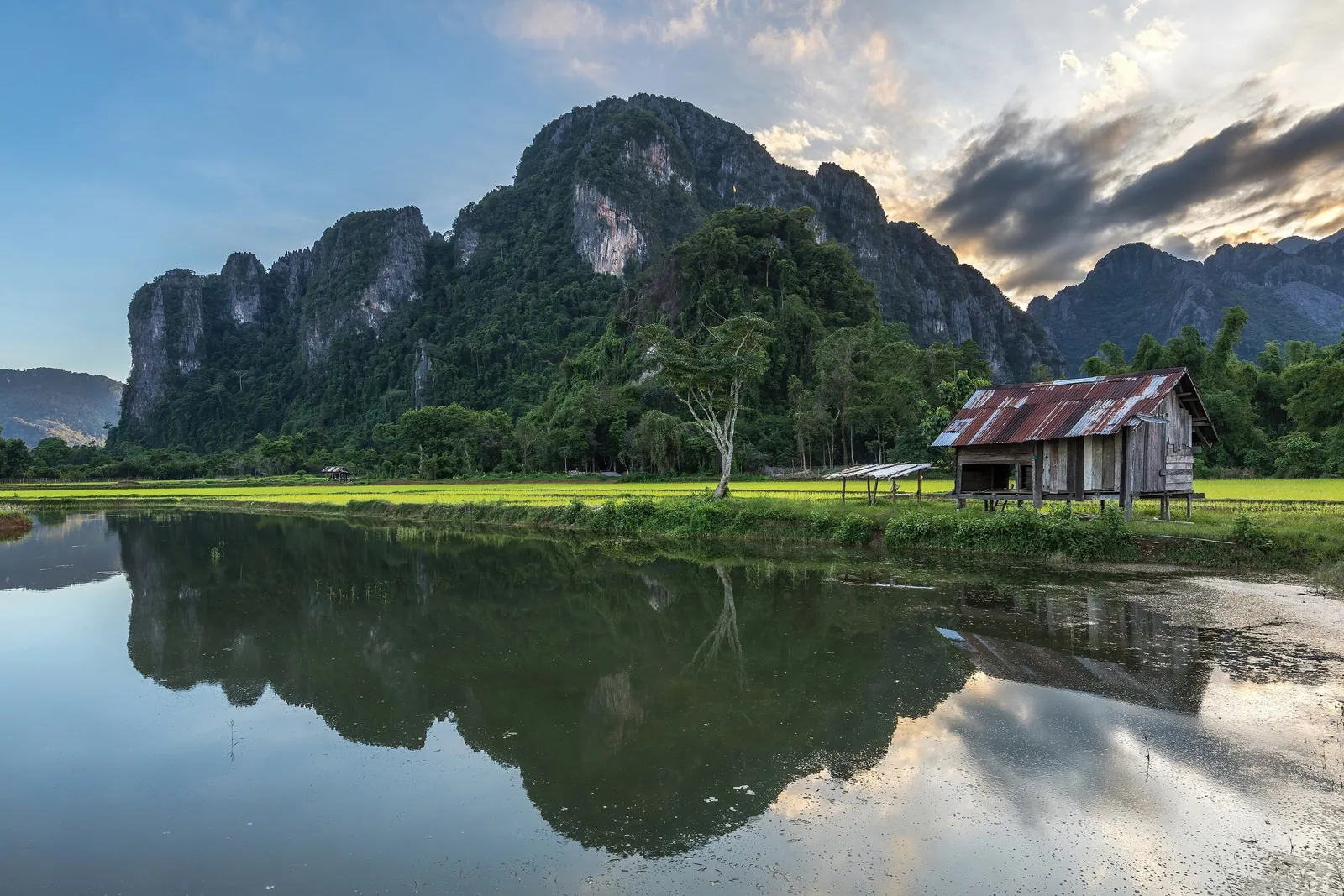
Vang Vieng has earned its own place on the map, and deservedly so. The town amounts to little more than a bus station and a few streets, but the setting does the work: the Nam Song curling past limestone towers, the whole view arranged like a scene brushed onto old Asian silk. Once the government closed the rave bars along the river in 2012, the community rebuilt itself around kayaking, caving and rock climbing, with plenty more besides. Swim in a blue lagoon, or simply sit still and let the mountains hold your attention.
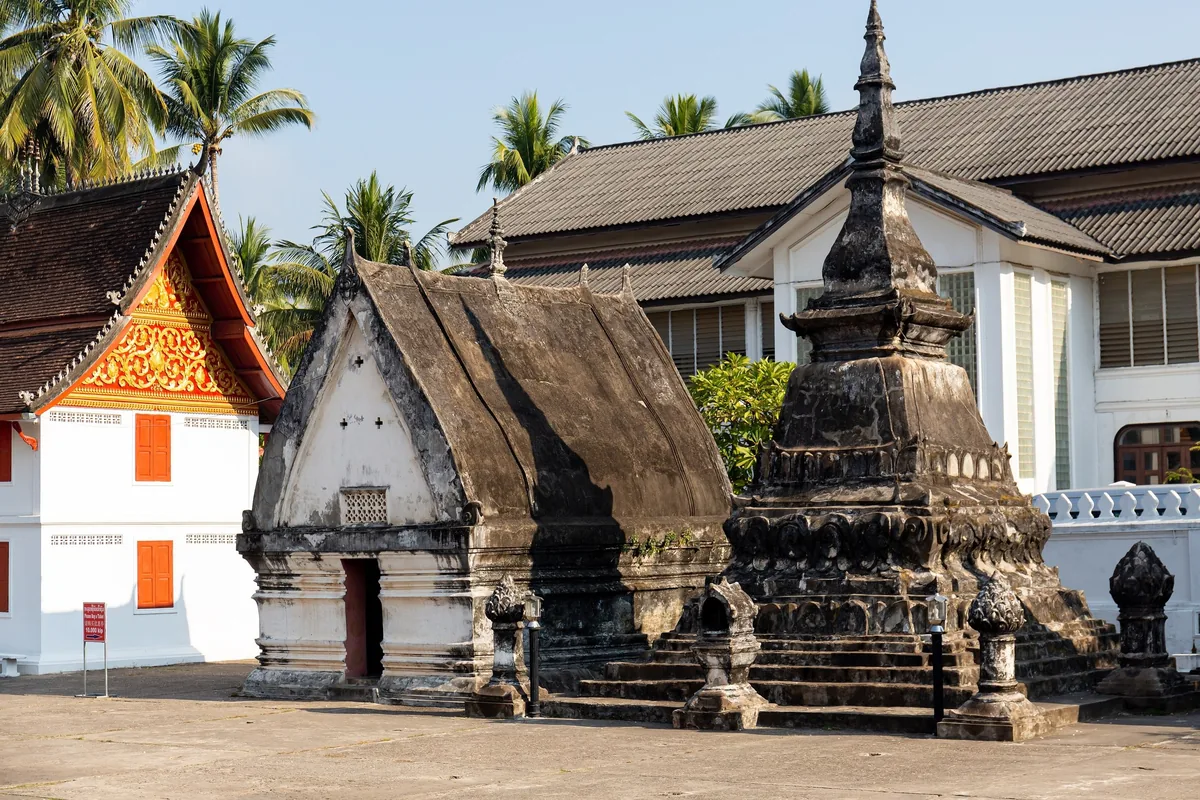
Anyone hunting for a country that still feels like itself will find it in Laos, beautiful and largely unmanicured. Nature shapes almost everything here. It remains one of the least developed nations in Southeast Asia, which is exactly why the adventurous keep coming, and it has sidestepped the heavy industrial build-out that reshaped its neighbours. laos_flag The Land of a Million Elephants, landlocked and culturally deep, counts slightly more than 6 million residents. Laotians are largely Buddhist and known for their warmth and hospitality. Lao is the official language, though English gets you a long way. Vientiane, the capital, runs along the Mekong, the river that separates Laos from Thailand. In the capital, work through Wat Phra Keo and Wat Si Saket, then climb the 'Arc de Triomphe' for a wide look at the countryside ringing Vientiane. That Luang Stupa ranks among the most significant temples in the country and belongs on any itinerary. With a spare afternoon, add Buddha Park with its strange sculpture garden, plus the Friendship Bridge and the National Cultural Ethnic Park. Give a morning to the market, where traditional medicine, MP3 players and handicrafts share the same stalls. Luang Prabang comes next, a UNESCO World Heritage Site, and it repays every hour you give it. Climb Wat Phousy for a fine sweep over the Mekong and the land beyond it, then move on to the beautiful Wat Xieng Thong. The oldest temple in Luang Prabang, it once served as the setting for the cremation rites of Laotian kings.
The rulers who followed him made Buddhism the country's dominant faith. TIMELINE 18th Century Clashes with neighbouring Thailand, Vietnam and Cambodia 1907 Franco-Siamese treaty fixing the boundary between Laos and Thailand 1945 Independent government declared beneath the Free Laos banner 1947 Laos recognised as independent by France 1960 A paratroop captain takes Vientiane by coup 1972 Lao People's Revolutionary Party (LPRP) enters a fresh coalition government 1975 The king gives up his throne Lane Xang slid into decline through the 18th century, worn down by dynastic infighting and wars with Burma, Siam (now Thailand), Vietnam and the Khmer kingdom. By the 19th century Siam held sway over most of what is today Laos, then split into principalities based at Luang Prabang, Vientiane and Champassak. The French displaced the Siamese late in that century and folded the whole territory into their empire. The Franco-Siamese treaty of 1907 drew the Lao boundary with Thailand as it stands today. Japan occupied French Indochina, Laos included, during World War II. Vientiane and Champassak joined Luang Prabang in September 1945 to declare an independent government beneath the Free Lao banner. French forces returned in 1946 and granted the country limited autonomy once a constituent assembly had been elected. In 1949 France formally acknowledged Lao independence inside the French Union, an arrangement Laos stayed with until 1953. Pro-Western administrations governed after the Geneva peace conference of 1954 until Prince Souvanna Phouma formed the first coalition in 1957. That coalition fell apart in 1958 as politics polarised. Rightist forces seized control, and communist insurgency picked up again in 1959. A paratroop captain took Vientiane by force in 1960, calling for a neutralist cabinet to stop the fighting. Rightist troops pushed that new government out before the year ended. The neutralists then made common cause with the communist insurgents and drew backing from the Soviet Union, while the U.S. supported the rightist regime. A second Geneva conference across 1961-1962 guaranteed Lao independence and neutrality. Within months of signing, each side accused the others of breaking the terms, and with the superpowers behind them the civil war started up again. The Lao People's Revolutionary Party (LPRP) entered a new coalition in 1972, and the Vientiane agreement of February 21, 1973 took effect that same year. Even so, communists, neutralists and rightists went on manoeuvring against one another. When Saigon and Phnom Penh fell in 1975, the coalition unravelled fast. That December the king stepped down from the constitutional monarchy and handed his authority to the Lao people, whereupon the LPRP dismissed the cabinet and proclaimed the communist Lao People's Democratic Republic (LPDR). The incoming communist administration centralised economic decisions and clamped down hard, taking over the media and jailing many former officials and officers in 're-education camps'. Harsh policy, a worsening economy and the drive for political control pushed lowland Lao and ethnic Hmong out of the country. Roughly 10% of the population claimed refugee status after 1975. Many were resettled abroad, including close to 250,000 who reached the United States. That chapter is drawing to a close now, and many have made their way home again.
China lies to the north of Laos, Vietnam to the east, Cambodia to the south, with Thailand and Myanmar along the western side. Beyond the flat Mekong plains that follow the Thai border, the land climbs into mountains, steeply so in the north, and much of it stays under thick forest.
The climate is tropical and splits cleanly in two: rain from early May to the close of September, dry weather from October through April. Across the year the mean sits near 28 C (82F), climbing to a peak of 38 C (100F) through April and May. January nights in Vientiane can drop to 19 C (66F). Up in the highlands the winter months hover at 14-15 C (58F), and a cold night can bring the freezing point within reach. Rain falls heaviest in the south, where the Annamite Mountains take more than 3000 mm (118 inches) each year. Vientiane records somewhere between 1500-2000 mm (59 to 79 inches), while the northern provinces see only 1000-1500 mm (39 to 59 inches).
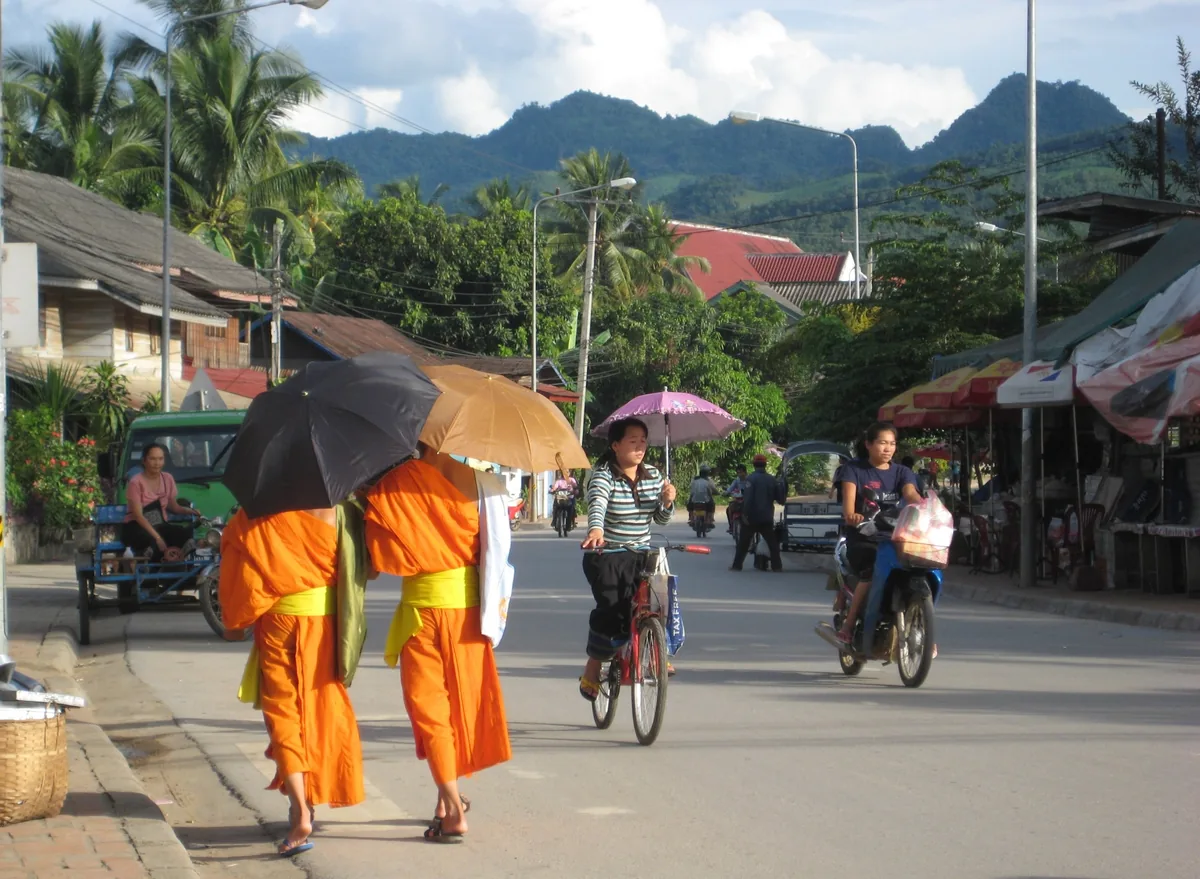
Buddhism reached Laos in the 18th century A.D. When Lane Xang was unified in the 14th century, the kingdom made Buddhism its state religion and pressed its subjects to give up animism and the worship of spirits. The aim was to build a single national culture around one shared faith, Theravada Buddhism. That tradition is now claimed by 90% of Laotians. It runs through ordinary days and shapes how society behaves, so much so that it is hard to separate the two. Each morning women hand alms to the monks, earning merit that shortens the cycle of rebirths ahead of them. Men are expected to ordain at some point in life, if only briefly. The old pattern was three months inside a temple through the rains, though most now stay only a week or two.
Laotians have a reputation for easy smiles and a fondness for freedom, with little appetite for quarrelling or for pushing anyone around. Respect for the nation runs deep, and most live by a code of honour towards others. Nothing shows that openness better than the custom of feeding a stranger at no charge. Friendship, love and peace matter here. Laotians dislike conflict and oppressors alike, and their saying runs 'united we survive and separated, we die.' They care for literature and the arts, and much of the old heritage comes down through national poetry that paints the Laotian way of living. HINTS The Lao Lum, or lowlanders, are the largest group at 70%, living down at the level of the Mekong. The Lao Theung, the upland group, make up 20% and occupy foothills under 1,000 meters (3,280 feet). The Lao Song, the hill tribes, account for 10% and live high in the mountains. Theravada Buddhism has left its mark everywhere in Lao culture: in the temples, the language, the visual arts, literature and performance. The country's music turns on the khaen, a bamboo pipe instrument treated as national. Homes stand on stilts, open underneath, with a triangular wind plate fitted to each side beneath the roof. Some carry a single roof, others a double. Step counts follow how tall the house stands, and by tradition the total is an odd number. What people wear depends on age and gender. Lao women dress with care and carry the standing of mothers of the nation. For important ceremonies they put on blouses, silk skirts and scarves, and for major occasions they add scarves with coiled hair. Men wear the salong, wide peasant-cut trousers, to ceremonies of consequence.

Journeys in Laos

Places we cover in depth, and every published departure that includes Laos. Sixteen travellers at most, and each one can be run privately on your own dates.
Highlights of Laos small group journeyLaos · 6 daysHighlights of LaosCoffee at a Vientiane street stall, a home-cooked meal in a wooden house, and the Mekong turning gold as the sun drops behind the far bank.View journey →Secrets of Southern Laos small group journeyLaos · 8 daysSecrets of Southern LaosCoffee country on the Bolaven Plateau by old army Jeep, bicycles on Don Daeng island, and a Sindad barbecue with the people who live there.View journey →Indochina Highlights small group journey3 countries · 14 daysIndochina HighlightsThree countries in one loop: sunrise over Angkor, a Lao cooking class, a Baci blessing, and the classic run the length of Vietnam.View journey →Indochina Grand Tour small group journeyVietnam, Laos, Cambodia · 21 daysIndochina Grand TourLuang Prabang and the Mekong, the Lao railway south, Angkor over three days, the delta at dawn, then the Hai Van pass by train and a last day in Hanoi.View journey →Laos North to South small group journeyLaos · 11 daysLaos North to SouthThe length of Laos in eleven days — Luang Prabang and the Nam Ou, the fast train down to Vientiane, then a flight south to Wat Phou and the Mekong islands.View journey →Luang Prabang Short Break small group journeyLaos · 5 daysLuang Prabang Short BreakOne town, four nights, no packing and unpacking. Temples in the cool of the morning, the waterfall and the bear centre, a day on the Mekong, and enough free time to sit still.View journey →The Mekong, Source to Sea small group journeyLaos, Cambodia, Vietnam · 14 daysThe Mekong, Source to SeaOne river, three countries, followed downstream: the falls at Si Phan Don, a land crossing into Cambodia, the dolphin pool above Kratie, and the express boat into the Vietnamese delta.View journey →Thailand, Laos & the Mekong small group journeyThailand, Laos · 10 daysThailand, Laos & the MekongTwo days in Bangkok, the ruins at Ayutthaya, then the overnight train across the Mekong into Laos and up the new railway to Vang Vieng and Luang Prabang.View journey →Vietnam & Laos Overland small group journeyVietnam, Laos · 12 daysVietnam & Laos OverlandHanoi, the limestone of Ninh Binh, the night train to Hue, then west over the Annamites into Laos and up the Mekong valley by road and railway to Luang Prabang.View journey →