The Last Imperial Capital
Hue earns its night because of what follows it: the Hai Van Pass, with the lagoon at Lang Co and a lunch stop that a flight would skip entirely.
Inside The Citadel
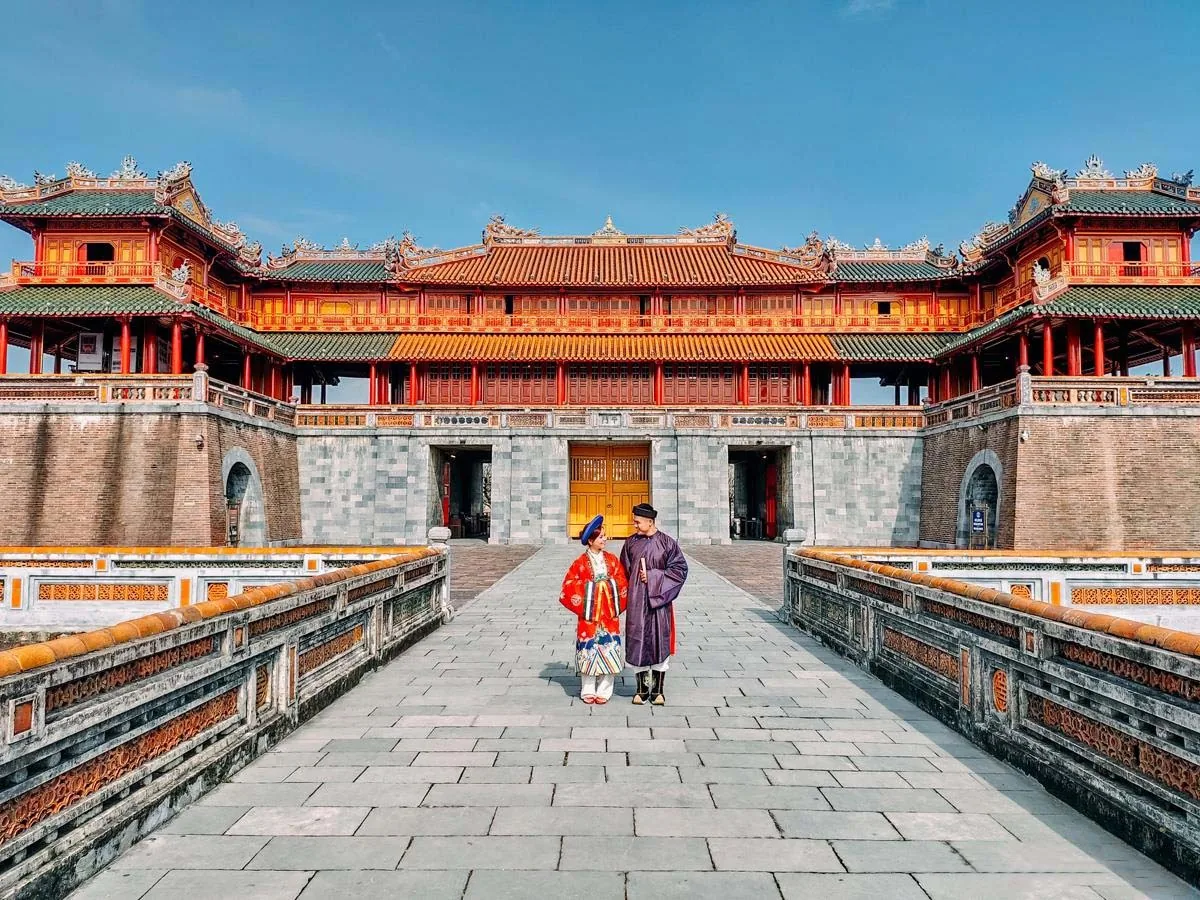
The outer walls run about two and a half kilometres to a side, with a moat, ten gates and a flag tower facing the river. Inside sits the Imperial City, and inside that the Forbidden Purple City, which the emperor alone used. Most of the innermost buildings are gone. The Thai Hoa throne palace, the mandarin halls and the royal theatre remain, along with decades of visible restoration work.
Seven Tombs Upriver
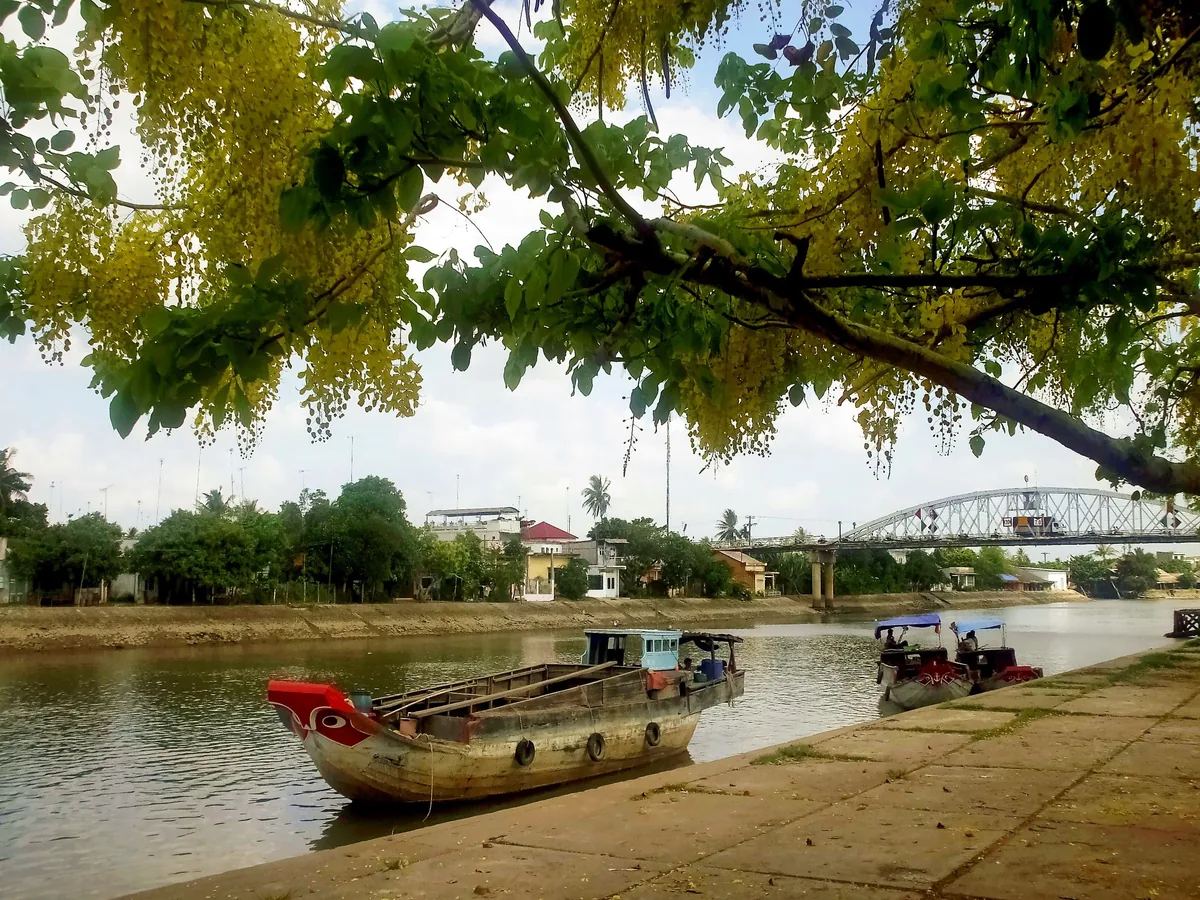
Each Nguyen emperor built his own tomb complex, and no two are alike. Minh Mang laid out formal courtyards on a strict axis. Tu Duc made a lake, a theatre and a pavilion where he wrote poetry, and spent years there. Khai Dinh, the last one finished, is concrete and mosaic, European and Chinese at once. Two or three in a day is enough.
A Court Kitchen
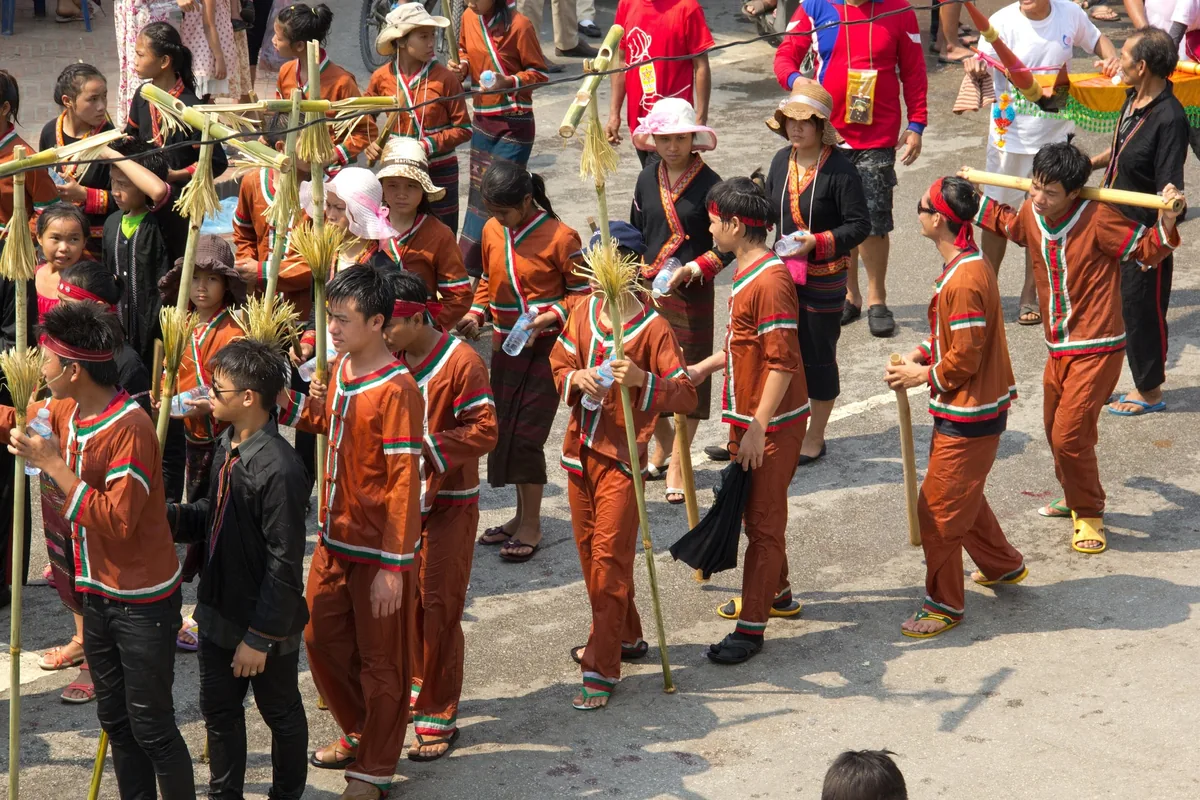
Hue food is the fussiest in Vietnam, because a court had time and staff. Bun bo Hue is the famous one, a beef and pork broth with lemongrass and fermented shrimp paste, eaten at breakfast. Beyond it lie the small steamed rice cakes: banh beo, banh nam, banh bot loc. Portions are deliberately little. Order six things rather than two.
Top Highlights
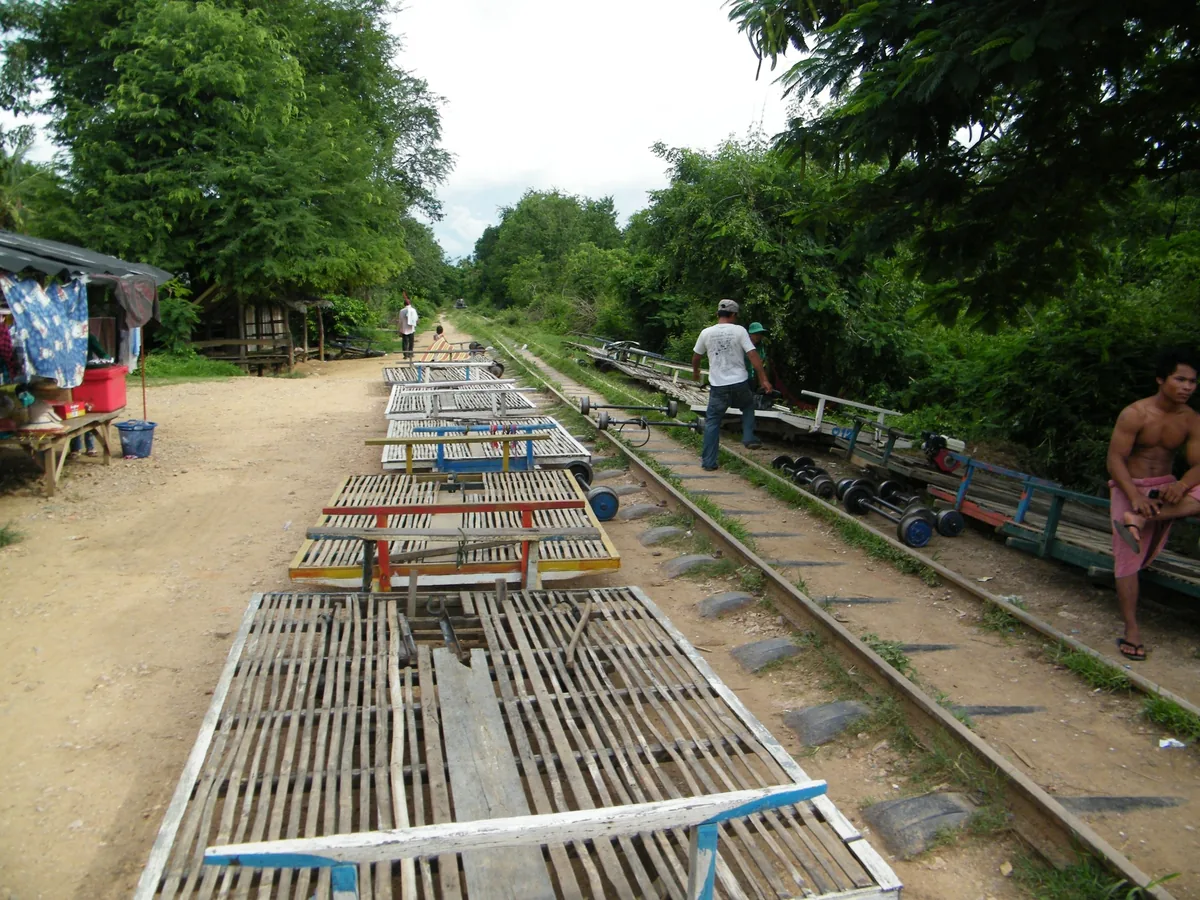
- Enter the Citadel through Ngo Mon gate at opening time, before the heat and before the coach parties reach the throne palace.
- Take a boat up the Perfume River to Thien Mu pagoda, whose seven-tiered brick tower has stood since 1844.
- See Minh Mang and Khai Dinh tombs in one morning — the same dynasty, a century apart, and nothing alike.
- Eat bun bo Hue at a street counter before eight in the morning, when it is made for people going to work.
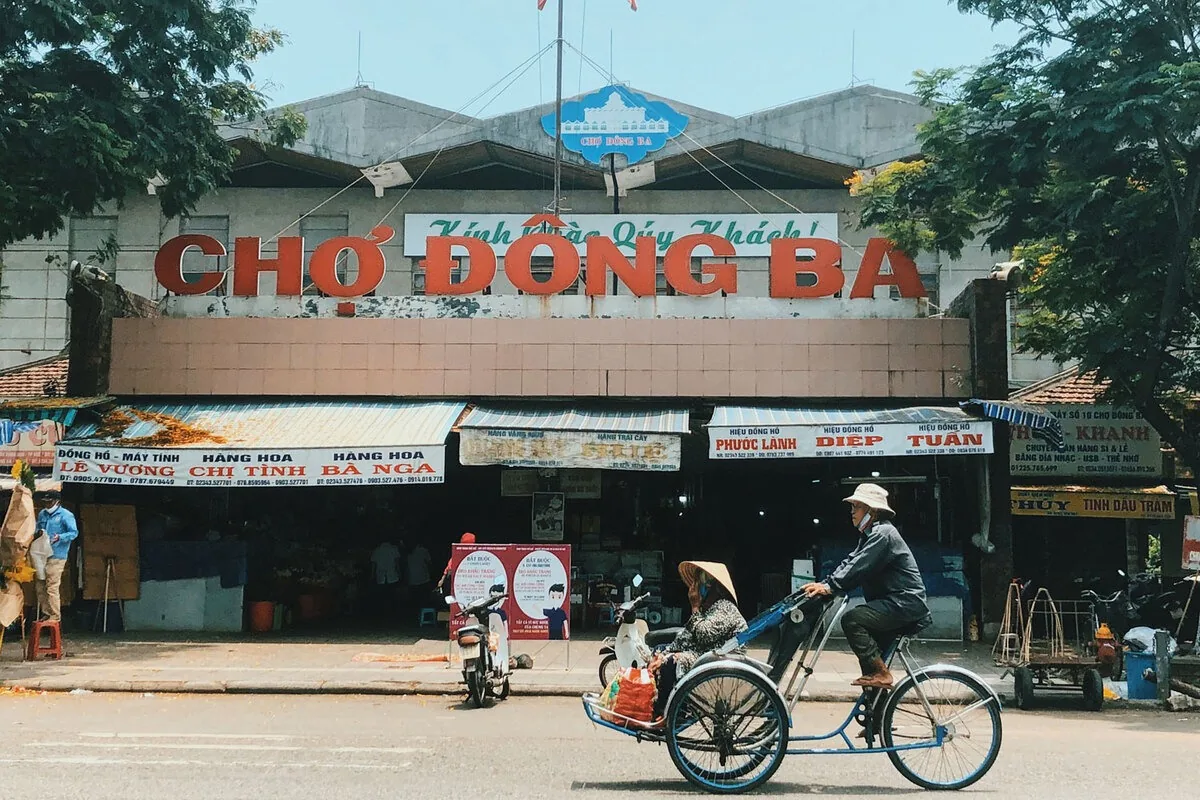
- Walk Dong Ba market from the river end, where the herbs, the shrimp paste and the dried fish are sold.
- Ride the coast road or take the train south over the Hai Van pass to Da Nang, choosing a clear day rather than a cloudy one.
Region
Central Vietnam, Hue city
Airport
Phu Bai (HUI), 15 km, about 25 minutes
Best Months
February to May
Suggested Stay
Two to three nights
Known For
Imperial Citadel, royal tombs, court cuisine
Pairs With
Hoi An, Da Nang, Phong Nha
Hue sits on the Perfume River about fifteen kilometres inland from the sea, roughly halfway between Hanoi and Saigon, with the Truong Son mountains close behind it to the west and the Tam Giang lagoon — the largest in South East Asia — spreading north along the coast.
The city has two halves. North of the river is the Citadel: a walled square containing the old imperial enclosure and also an ordinary neighbourhood of houses, lanes, schools and the Dong Ba market. South of the river is the newer town the French laid out, where most hotels, restaurants and the railway station are.
Upstream, in low hills within twenty kilometres, are the royal tombs, the Thien Mu pagoda and dozens of working monasteries. Hue is the centre of Buddhist practice in Vietnam and the number of temples shows it.
Since the start of 2025 Hue has been a centrally governed city in its own right rather than Thua Thien Hue province. The national provincial mergers of July 2025 left it unchanged.
Nguyen lords ruled the southern half of the country from this area for two centuries before Gia Long unified Vietnam and made Hue the imperial capital in 1802. Thirteen emperors followed. The Citadel was laid out on Chinese principles with French military engineering in the walls, a star-fort defence wrapped around a Forbidden City.
French control from the 1880s reduced the court to ceremony, and in 1945 Bao Dai abdicated, ending the dynasty.
The worst damage came in 1968. During the Tet Offensive the city was held for around a month and retaken street by street. The fighting and the bombardment destroyed much of the palace quarter and killed a great many civilians, and mass graves were found afterwards. The conduct of that battle is still argued over. Its scale is not.
UNESCO listed the complex in 1993, the first Vietnamese site on the register. Restoration has run continuously since, building by building, and several halls have reopened in recent years.
February to May is the reliable window: dry enough, warm, with the river low and the tombs pleasant to walk. March and April are the best of it.
June to August is hot, in the mid-thirties most days and higher in the afternoon. The Citadel has very little shade. Start at seven, stop at eleven, go out again after four.
September to December is the problem, and it is worth being plain about it. Hue is the wettest city in Vietnam, with roughly 2,800 mm of rain a year, and well over half of that falls in October and November alone. Those two months average more than twenty rainy days each. Typhoons come ashore in this window and the river floods most years, closing the low approaches to some tombs for a few days at a time.
January is cool, grey and drizzly rather than stormy, and the city is quiet.
Hue runs a festival programme through the year, with court music and processions clustered in spring.
Phu Bai airport is fifteen kilometres south of the city, about twenty-five minutes by road, with domestic flights from Hanoi and Ho Chi Minh City and a small number of regional services. Most visitors arrive overland.
The train is the good way in from Da Nang. The line runs along the Lang Co lagoon and climbs the seaward face of the Hai Van pass on a ledge above the water. The tourist services that pause at Lang Co take around three hours; the ordinary express trains are a little quicker. Sit on the eastern side and travel in daylight.
By road the same journey takes about two hours. Cars and coaches use the Hai Van tunnel, 6.3 kilometres long, open since 2005 and running two bores since 2021. The old pass road above it stays open and is still the better drive when the cloud lifts; motorbikes use it because they are not permitted in the tunnel.
In the city, taxis and ride apps are cheap. The tombs are spread over twenty kilometres and need a car, a bicycle or a boat.
The Citadel and the tombs are ticketed separately, and prices have risen in recent years. As of early 2026 the Imperial City is 200,000 dong for an adult, and the main tombs — Minh Mang, Tu Duc, Khai Dinh — are 150,000 each. Combined tickets are better value if you plan on three or four sites: the Citadel with Minh Mang and Khai Dinh comes to 420,000, and a four-site version adding Tu Duc to around 530,000. Children between seven and twelve pay a small fraction and under-sixes are free. Confirm on the day, since these are revised periodically.
Sites open around seven in the morning and close at half past five. The Citadel needs two to three hours if you read the panels, less if you do not. Each tomb takes forty minutes to an hour, plus the drive between them.
The best hour of the day is the first. By ten the coaches from Da Nang and the cruise passengers landed at Chan May have arrived, and the throne palace becomes a queue.
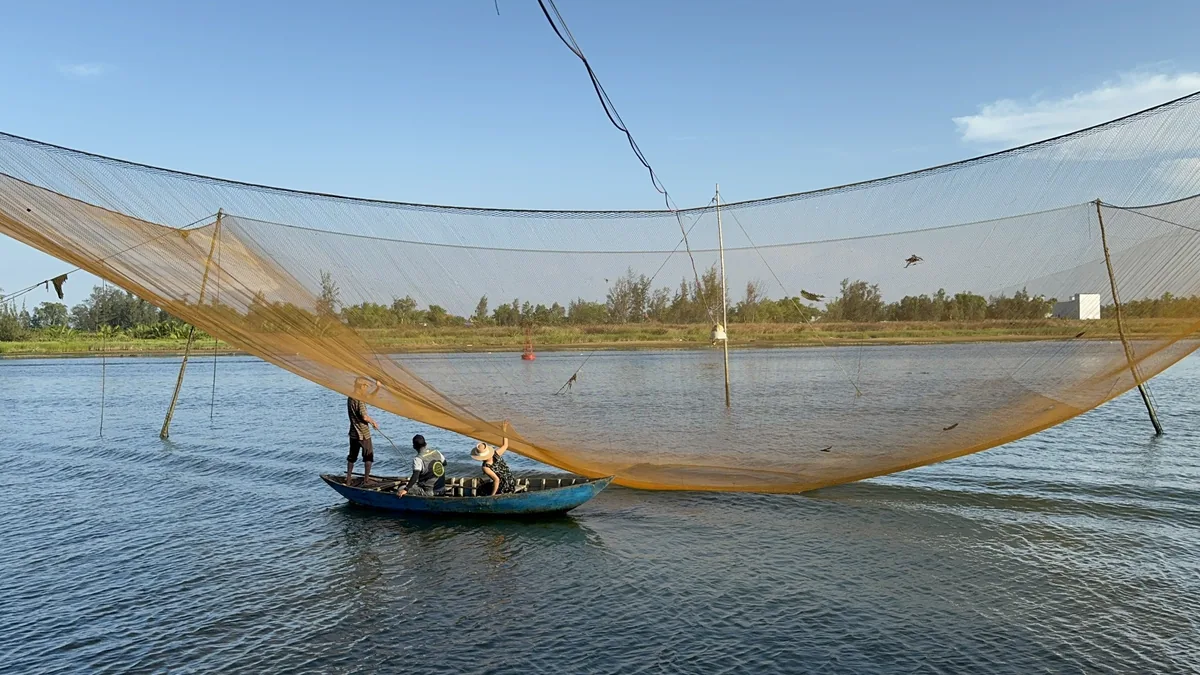
The Tam Giang lagoon starts fifteen kilometres north: seventy kilometres of shallow brackish water behind a sand bar, worked with fixed nets and fish traps by villages that have done nothing else for generations. Late afternoon on a boat there is quieter than anything in town.
Thuy Bieu and the garden villages just upriver keep the old Hue house type, a low wooden pavilion behind a hedge with a pomelo orchard around it. Several open for lunch.
South, the Hai Van pass and the beach at Lang Co make a half day on the way to Da Nang and Hoi An, which is how most itineraries use them.
North-west, Phong Nha is about four hours by road: the largest cave systems on earth, including caves you can walk and boat through with no technical experience at all. It works as a two-night detour rather than a day trip.
Closer in, the Thanh Toan tile-roofed bridge, built in 1776, sits among rice fields eight kilometres east of the centre.
Journeys through Vietnam
Departures that take in this part of Vietnam, plus the other places we cover there in depth.