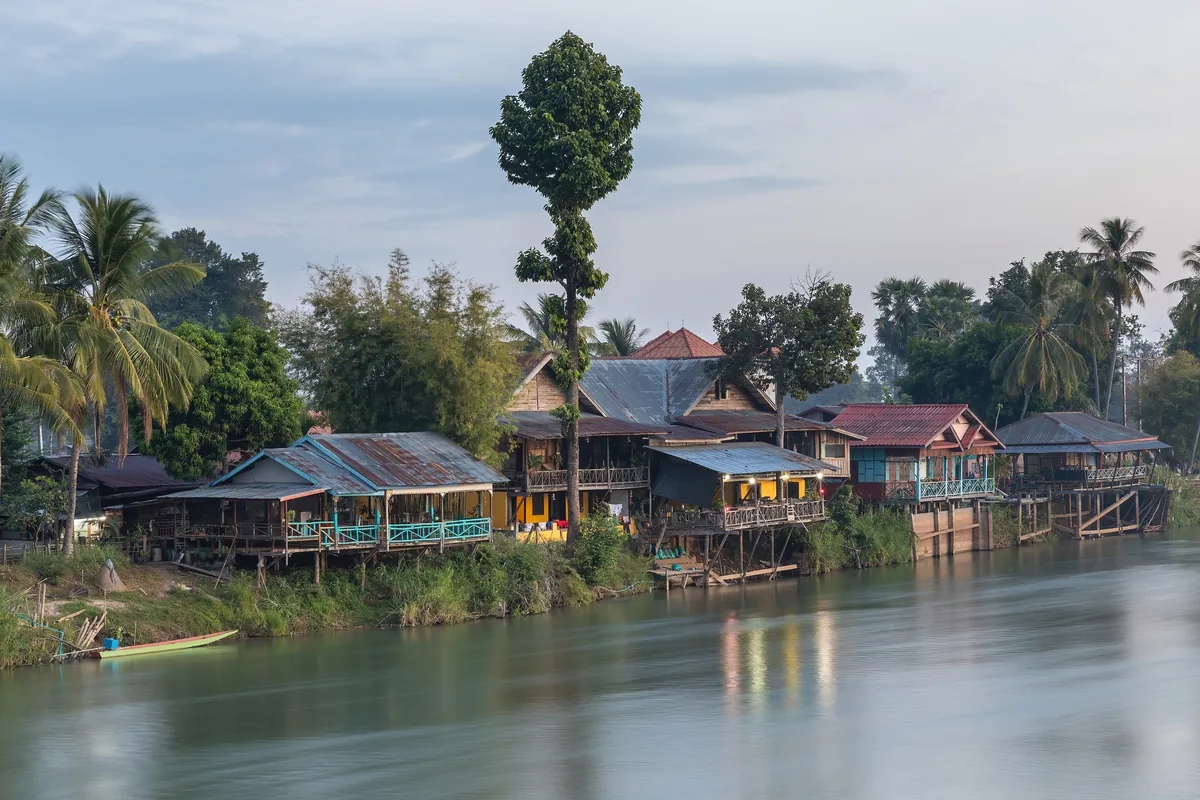
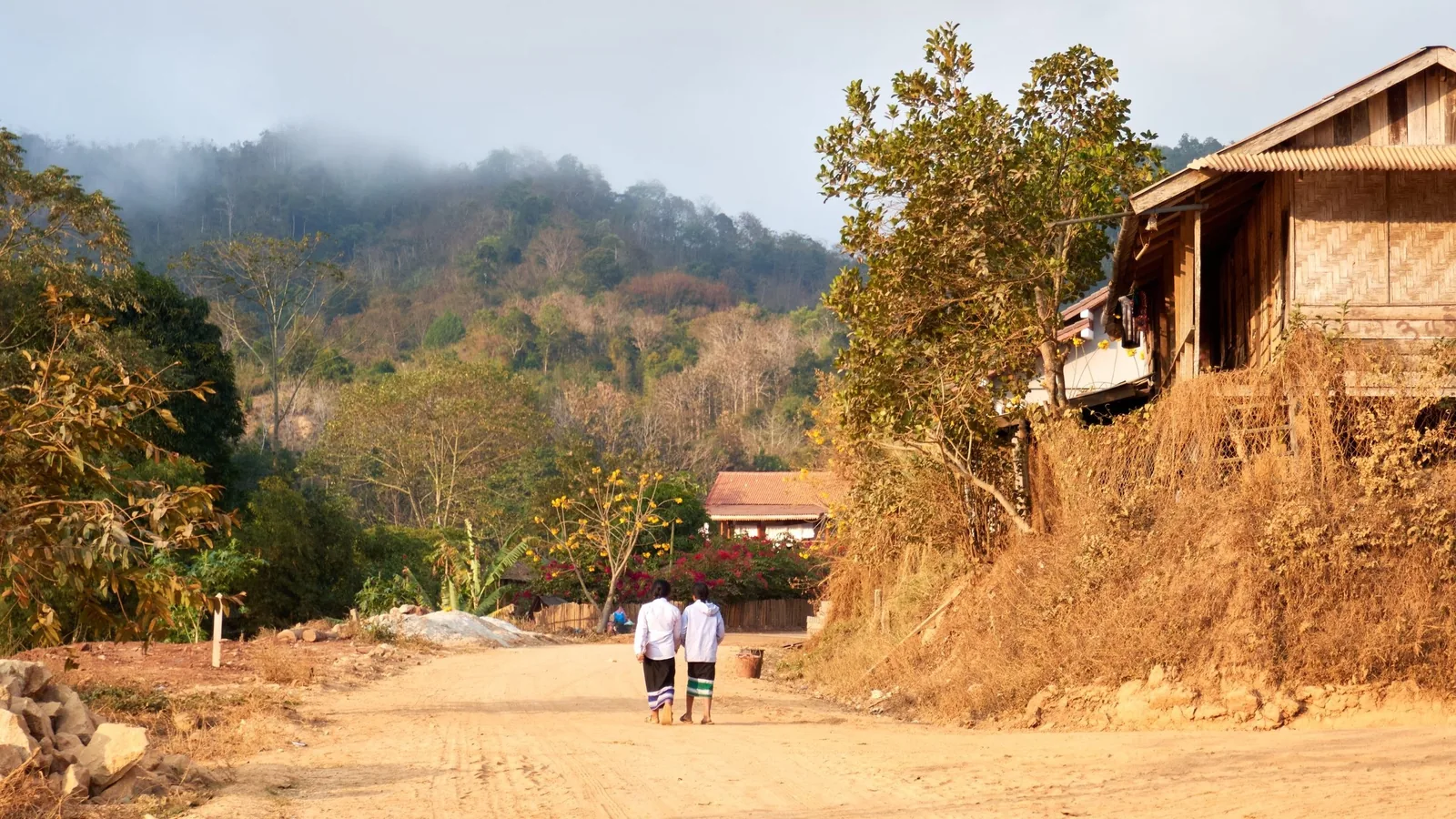
A Northern Capital
The north is where our Thailand departures slow down. Three nights is enough for the city, one day trip and a morning with nothing in it.
Food of the North
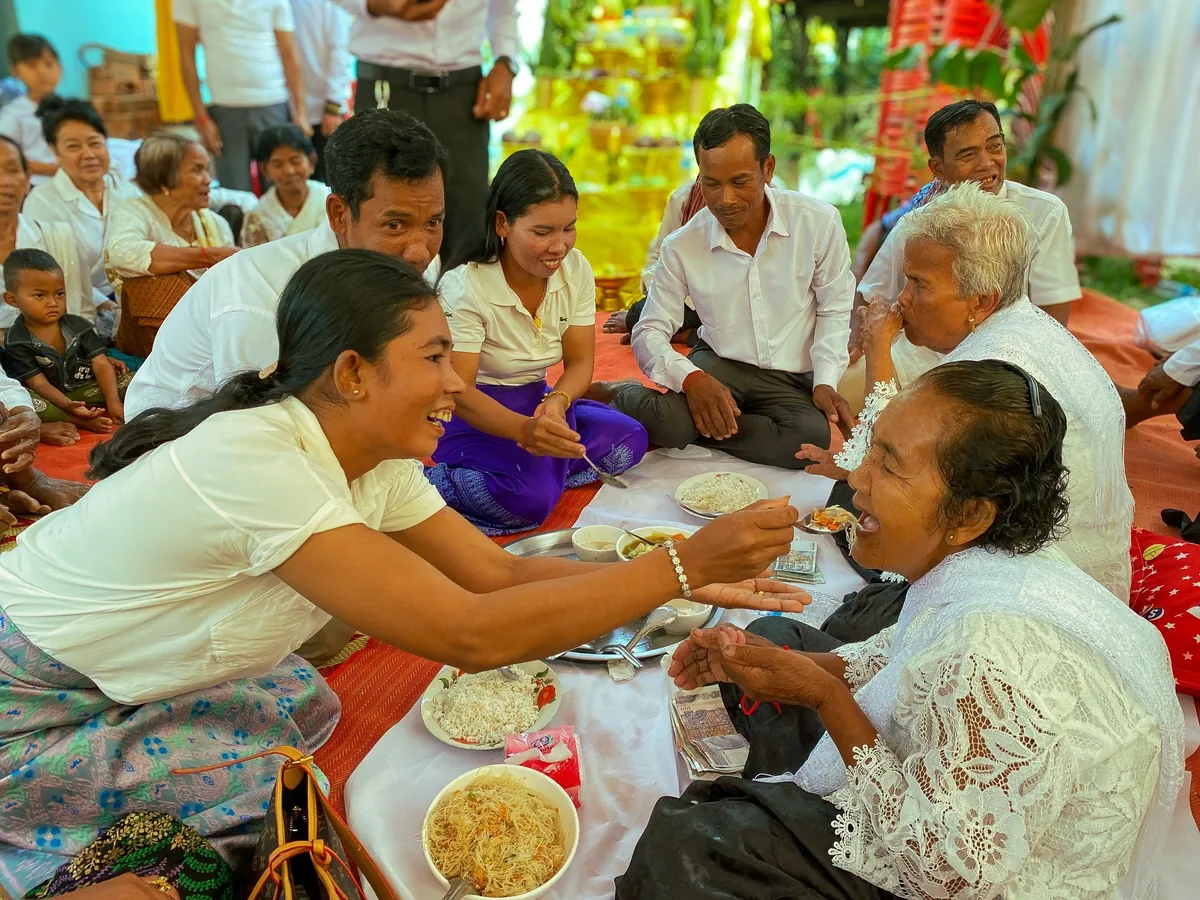
Northern cooking is its own tradition, not a milder version of the Bangkok kitchen. Khao soi — egg noodles in a curried broth with pickled mustard greens — is the dish everyone knows; sai ua, the herb-heavy grilled sausage, and the chilli relishes called nam phrik are the ones worth learning. Most northern curries use no coconut milk at all. The best versions sell at morning markets and vanish by eleven.
The Mountain Temple
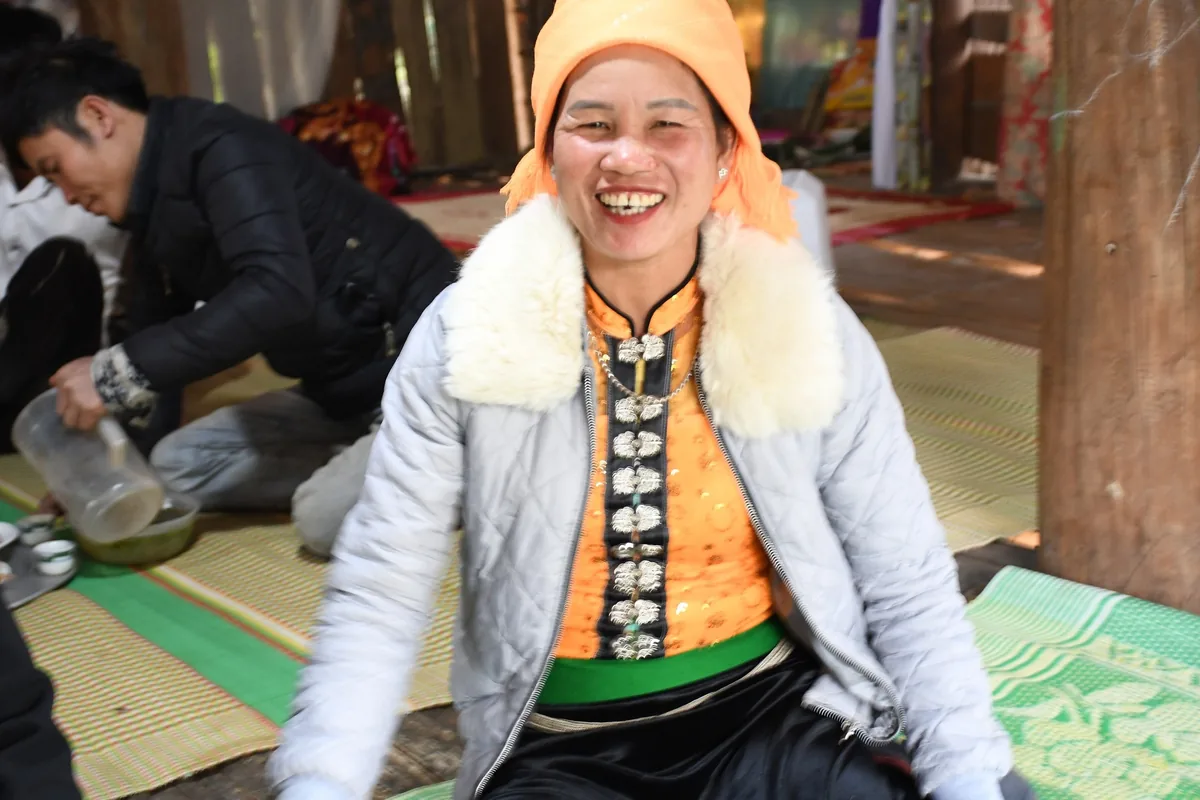
Wat Phra That Doi Suthep sits fifteen kilometres above the city at the end of a switchback road, reached by a 306-step naga staircase or, if knees object, by a small funicular that costs a little more than the modest entry fee. Go at dawn rather than at sunset. The chanting is a working service, the coaches have not arrived, and the valley below is usually clear of cloud.
Workshops and Markets
Chiang Mai still runs on neighbourhood temples and family workshops, which makes introductions easy to arrange. A morning might go to a silversmith in the Wua Lai lanes, a paper maker, or a woman who has cooked at the same market stall since the eighties. With sixteen travellers at most, these stay conversations rather than demonstrations, and they usually end with somebody feeding you.
Top Highlights
- Climb the 306-step naga staircase to Wat Phra That Doi Suthep at first light, before the coaches turn up from the city below.
- Learn to cook khao soi properly, starting at a morning market where the curry paste is still ground in front of you.
- Cycle the flat lanes of the old town between more than thirty temples, most of them empty of visitors on a weekday morning.
- Spend a day in the hills at an elephant project with no riding, no bathing sessions and no animals made to perform.
- Walk the Sunday evening market along Ratchadamnoen Road, where the crafts are local more often than not and the food is better.
- Drive the Mae Sa or Samoeng loop for terraced fields, coffee farms and roadside villages barely an hour from the moat.
Region
Northern Thailand, in the Ping river valley
Airport
Chiang Mai (CNX), 15 minutes from the old town; sleeper trains from Bangkok
Best Months
November to February; avoid late February to April for smoke
Suggested Stay
Three to four nights, more if you head into the hills
Known For
Lanna temples, northern food, craft workshops, mountains, cooking schools
Pairs With
Chiang Rai, Nan, Pai, or the night train down to Bangkok and Ayutthaya
Flights from Bangkok take about seventy minutes and run all day from both Bangkok airports. The alternative is the overnight train, which leaves from Krung Thep Aphiwat Central Terminal — not the old Hua Lamphong station, which lost its long-distance services in 2023 — and takes twelve to thirteen hours. Second-class sleeper berths are clean, curtained and cheap, and the last two hours through the hills at dawn are the point of the journey.
In the city, red songthaew trucks work as shared taxis: flag one down, say where you are going, pay a flat fare per person. Ride-hailing covers everything else. The old town is small enough to walk, though the moat road is busier than it looks. Renting a scooter is common and worth thinking twice about, because tourist motorbike accidents are a genuine problem here and most travel insurance will not pay out without the correct licence.
November to February is the best stretch: dry, sunny, and cool enough at night in the hills to want a jacket. December mornings in the valley can drop below fifteen degrees, which surprises people who packed only for the tropics.
Then comes the part few brochures mention. From roughly mid-February to mid-April, agricultural burning across the north and in neighbouring countries fills the valley with smoke. Chiang Mai regularly records some of the worst particulate readings of any city in the world during those weeks, and the 2026 season was among the worst on record, with the mountains invisible for days at a stretch. If you are asthmatic, or travelling with small children, plan the north outside that window. May to October is the green season: heavy afternoon rain, waterfalls running hard, rice terraces at their best, and far fewer people.
The temple stands about fifteen kilometres above the city on Doi Suthep, thirty to forty minutes by road depending on traffic at the university end. Admission for foreign visitors is modest, thirty baht at the time of writing, and a small funicular runs beside the 306-step naga staircase for a few baht more, which matters if stairs are difficult. Shoulders and knees must be covered, and wraps are lent at the entrance.
Go early. By ten the terrace is full and the chanting has finished. The mountain does not end at the temple: the road continues to Bhubing Palace, whose gardens open when the royal family is not in residence, and on to Doi Pui, a Hmong village that is half souvenir stalls and half working settlement. Further out, Doi Inthanon, the highest ground in Thailand, makes a long but rewarding day.
Lanna cooking developed inland, away from the coconut palms of the south, so most northern curries are water-based, herbal and bitter rather than sweet and rich. Hang lae, the slow pork belly curry, arrived with Burmese traders. Khao soi came down from Yunnan with Muslim caravan traders and is the one dish nobody leaves without eating.
Sticky rice, not steamed rice, is the staple here. You eat it with your right hand, rolling a ball and using it to pick up nam phrik, the chilli relishes that anchor a northern meal. Sai ua sausage is sold by weight at markets and is best in the morning. To understand any of this properly, a half-day cooking course that starts at a market rather than in a kitchen is the most useful three hours you can spend, and this city has more of them than anywhere in the country.
Chiang Mai is the centre of elephant tourism in Thailand, and also where standards vary most. Riding is out: a chair frame on an elephant’s spine causes lasting damage, and no reputable operator still offers it. Bathing sessions, which look gentle in photographs, are less benign than they appear, since an animal washed by dozens of strangers a day is being handled far more than it would choose.
We use projects where elephants are watched at a distance, kept in family groups, and never required to perform, feed on cue or pose. Expect to walk, observe, and hear the individual histories — most working elephants in the north came out of the logging industry when it was banned in 1989, and the economics of keeping them since is the real story. It is a quieter day than the brochures suggest, and a more interesting one.
Thailand cut its visa exemption from 60 days to 30 on 15 September 2026, and narrowed the qualifying list to 60 countries and territories. Almost every English-language page online still shows the old figure, so read the current rule rather than a travel blog. Everyone must also file the free Thailand Digital Arrival Card online, no earlier than 72 hours before arrival, at tdac.immigration.go.th.
On the ground: ATMs charge a fixed foreign-card fee per withdrawal, so take out more at a time rather than less. Cash still matters at markets and temple gates. Cannabis returned to prescription-only control on 26 June 2025, so the dispensaries you will still see cannot legally sell to a visitor without a doctor’s form. Retail alcohol hours are regulated, though bars, restaurants and hotels are not affected. Cool-season nights in the hills are genuinely cold, so bring one warm layer.
Journeys through Thailand
Departures that take in this part of Thailand, plus the other places we cover there in depth.