Where Thailand Starts
The difference a group makes in Bangkok is the hour. We are on the water at seven and inside the palace at opening, which turns the two sights everyone warns you about into the two everyone remembers.
Eating in Bangkok
The best cooking here is usually done by someone who makes one dish and nothing else. Look for the stall with a queue of office workers at noon and a single pot going. Yaowarat Road in Chinatown becomes an open-air kitchen after dark, while the riverside markets run the other way and are busiest at breakfast. Your hotel buffet will be the least interesting meal you eat all week.
The Water City
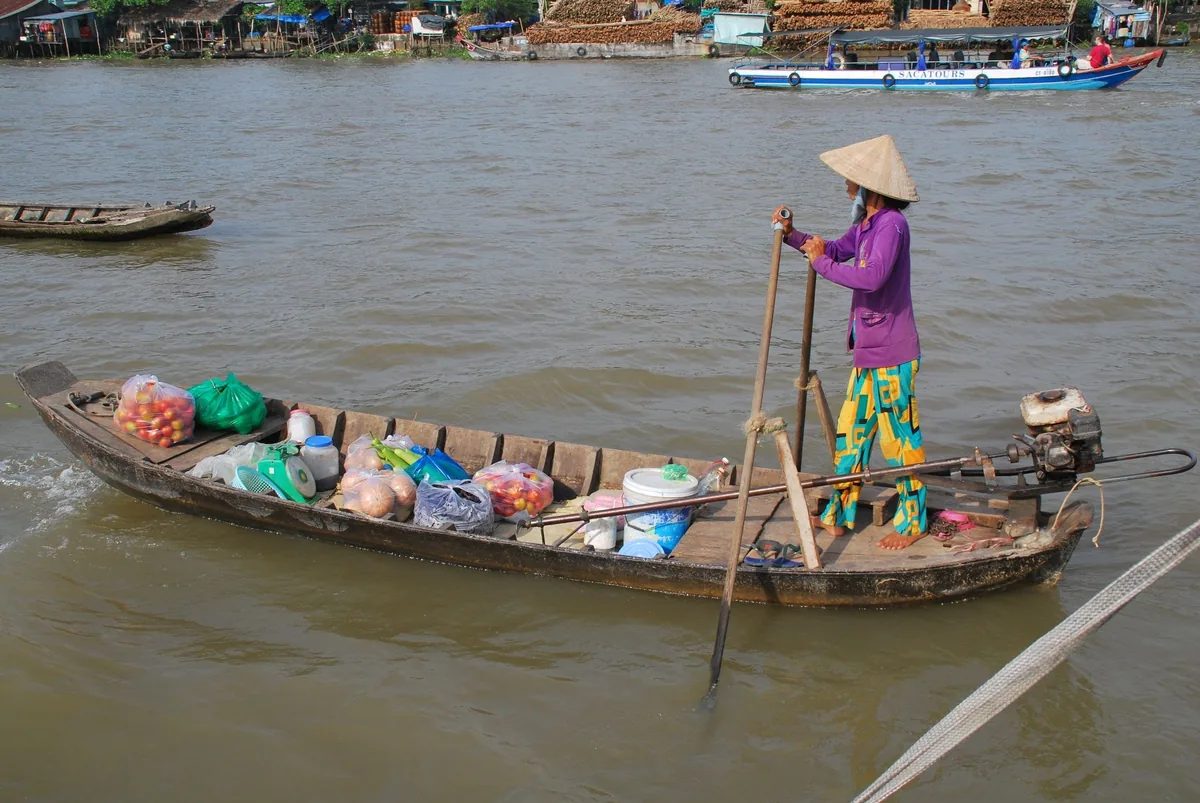
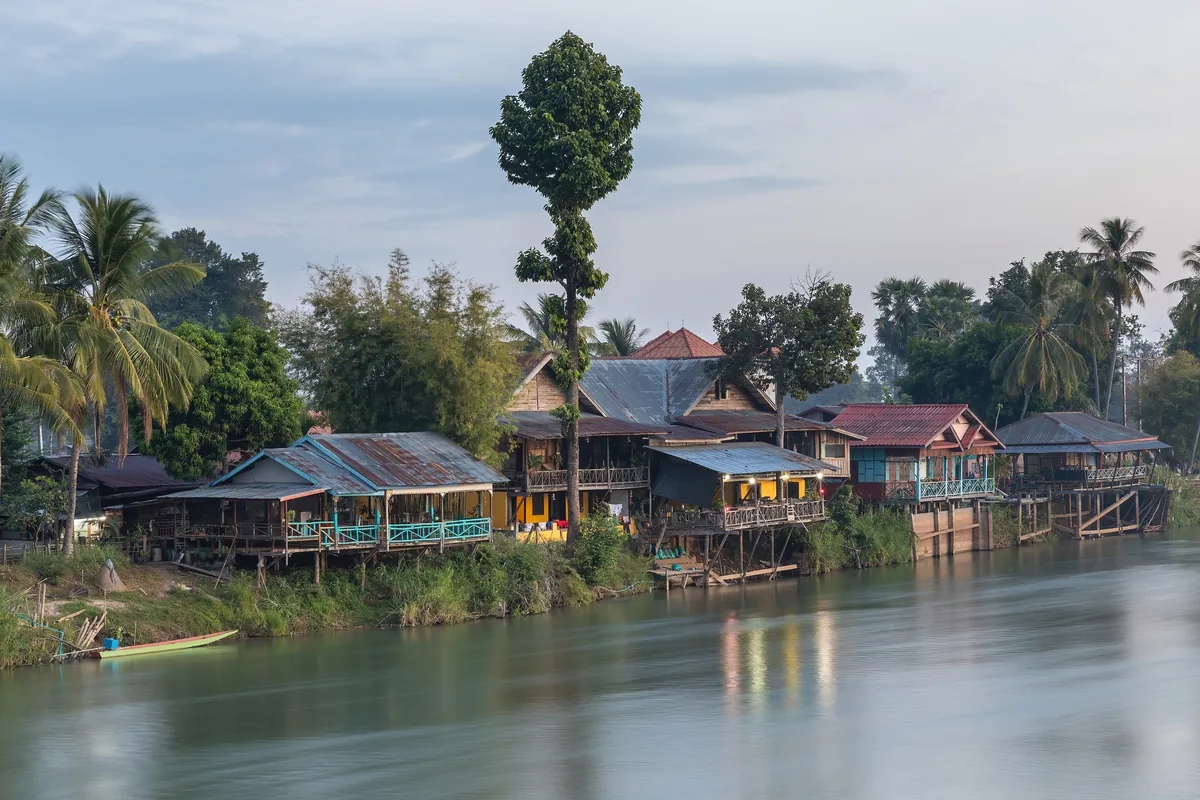
Bangkok was built on canals before it was built on roads, and the older logic still works. Public river boats run the Chao Phraya for a few baht, and the narrow khlong routes on the Thonburi bank pass wooden houses, monitor lizards and temple landings that no taxi can reach. Travelling by water early is also the one way to cross the city without traffic.
People You Meet
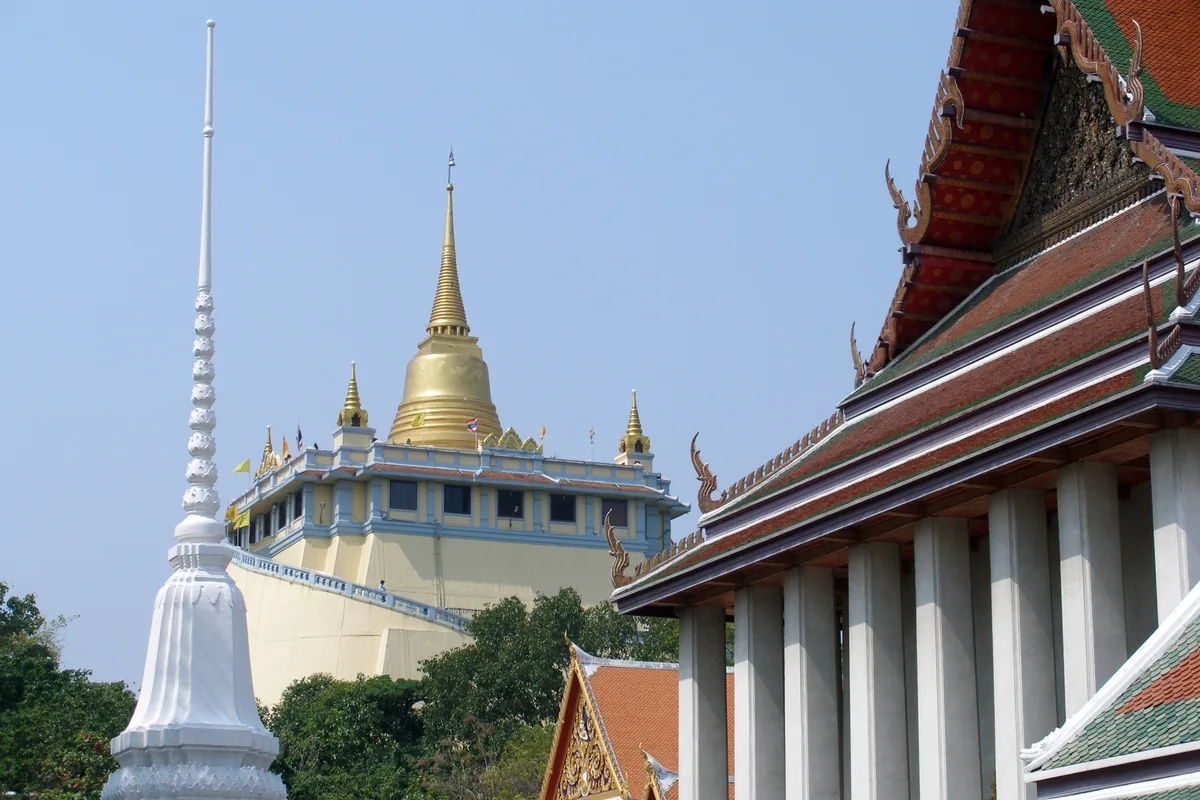
We hold groups to sixteen so that a market trader can talk to you rather than perform. Mornings often go to a cook buying her own ingredients, or to a monk at a neighbourhood temple explaining what the dawn alms round is for. Nothing is staged, which means the day bends to what is happening: if the fish is poor, we buy something else and the conversation changes.
Top Highlights
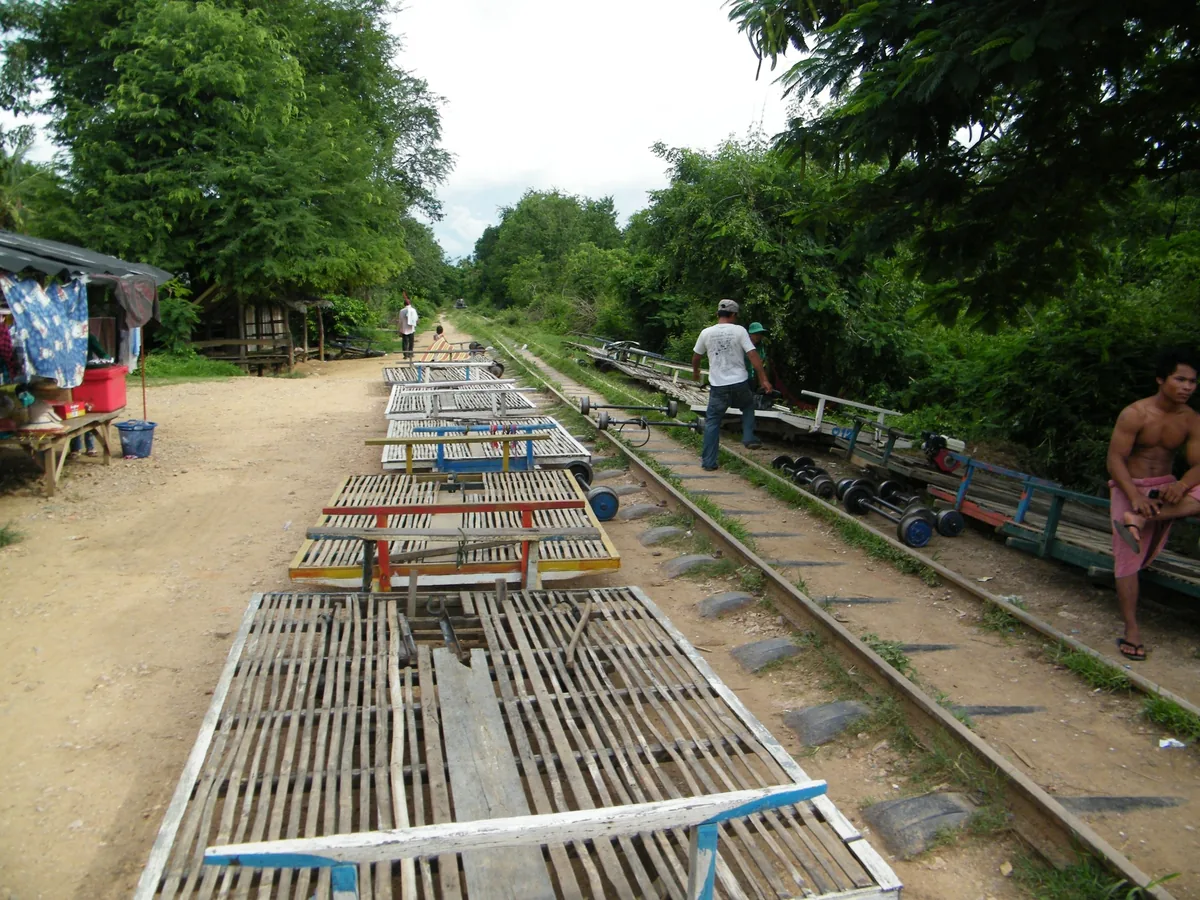
- Ride the Chao Phraya express boat at rush hour, standing at the rail while temples and office towers slide past on both banks.
- Eat your way along Yaowarat Road after dark, where Chinatown shophouses put their woks out on the pavement and cook past midnight.
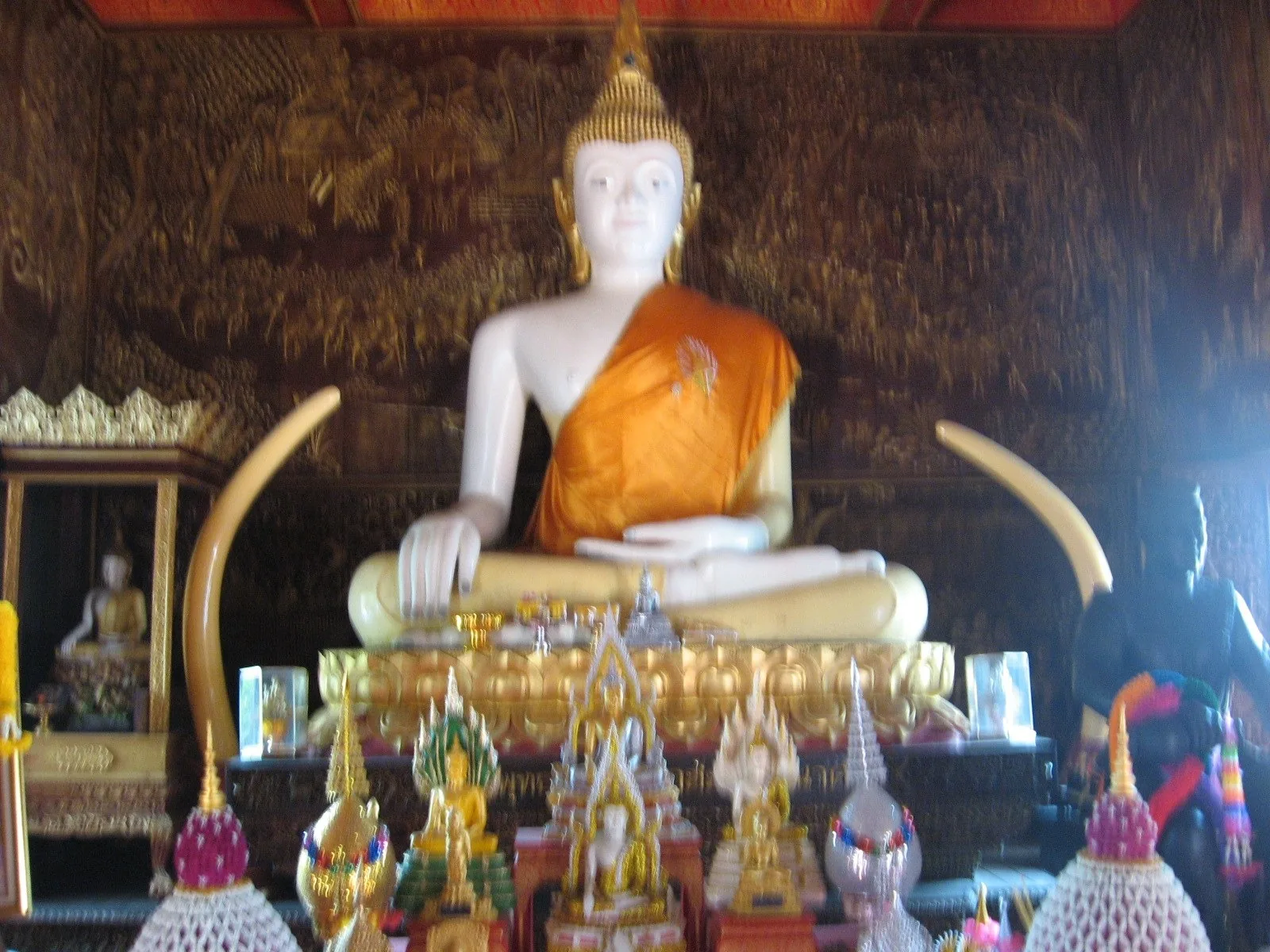
- Walk the old royal island early enough to reach Wat Pho before the coaches, and have the reclining Buddha nearly to yourself.
- Take a long-tail boat into the Thonburi canals, where houses still face the water and children swim off the wooden landings.
- Spend an hour at the Jim Thompson House, a cluster of teak buildings that explains more about Thai design than any museum label.
- Cross to Bang Krachao, the forested loop in the river where Bangkok keeps its cycle paths, a weekend market and almost no cars.
Region
Central Thailand, on the Chao Phraya delta
Airport
Suvarnabhumi (BKK) 30 km east; Don Mueang (DMK) for most low-cost flights
Best Months
November to February; March to May is very hot
Suggested Stay
Three nights, or two if you are only passing through
Known For
Street food, river and canal life, royal temples, night markets, tailoring
Pairs With
Ayutthaya, Kanchanaburi, Chiang Mai, or a short flight south to Krabi
Two airports serve the city. Suvarnabhumi, 30 kilometres east, takes most long-haul flights and connects to the centre by Airport Rail Link in about half an hour. Don Mueang, to the north, handles most low-cost regional traffic. Allow real time between the two if you have to change terminals, because the drive can run well over an hour.
In town, the BTS Skytrain and the MRT metro are the only transport immune to traffic, and both now reach far enough to be genuinely useful. Chao Phraya express boats run the river for small change. Taxis are metered and honest more often than not; if a driver refuses the meter, wave him on and take the next one. Long-distance trains no longer leave from Hua Lamphong — since 2023 they depart from Krung Thep Aphiwat Central Terminal in Bang Sue, which sits on the MRT Blue Line.
November to February is the season worth planning around: daytime highs in the low thirties, humidity that lets up, and evenings you can sit outside in. March to May is the hot season, and that is not a marketing softening — April regularly passes 38°C with heavy humidity, and the city holds the heat well into the night.
The rains run roughly June to October. They rarely last all day; the usual pattern is a hard hour in the late afternoon that floods a few streets and then clears, and hotel rates fall accordingly. One caveat about the cool season: particulate pollution builds through the dry months and is worst from December to March, when there are days the skyline simply goes flat grey. Anyone with asthma should plan for it rather than be surprised by it.
Thailand changed its visa exemption on 15 September 2026. The 60-day visa-free stay introduced in 2024 is gone: a Royal Gazette notice of 31 August 2026 replaced it with 30 days for nationals of 60 countries and territories, among them the United Kingdom, Ireland, the United States, Canada, Australia, New Zealand, Japan and most of the European Union. Seychelles and Mauritius get 15 days. Nearly every English-language guide still quotes the old 60 days, so check the current rule against your own passport before booking.
Separately, everyone flying in must file a Thailand Digital Arrival Card. It is free, submitted online at tdac.immigration.go.th, and can only be filed within 72 hours of arrival. There is no longer a paper form handed out on the aircraft, and a small industry of copycat websites will happily charge you for something the government does not. We send the link and a reminder before you travel.
Bangkok cooking is specialised. A stall that has sold the same noodle soup on the same corner for thirty years will beat almost any restaurant, and the way to find one is to watch for locals eating rather than for English signage. A lunchtime queue of office workers is the most reliable indicator in the city.
Hygiene is better than the reputation suggests. Food cooked to order in front of you, in a wok that has not stopped moving all evening, carries low risk; pre-cut fruit sitting in the sun carries more. Drink bottled or filtered water, which every hotel provides free. If you do not want chilli, say mai phet, and expect it to arrive warmer than you meant anyway. Vegetarians should learn to ask about fish sauce and shrimp paste, which go into almost everything by default and are rarely mentioned on a menu.
Cover shoulders and knees for temples and for the Grand Palace, which enforces the rule strictly and will rent you a wrap at the gate if you arrive in shorts. Shoes come off before you enter any building where people sit on the floor. Point your feet away from Buddha images and away from other people; it is the gesture visitors get wrong most often, and the one locals notice most.
Monks do not accept anything directly from a woman’s hand, so pass it through a cloth or through a man. Photography inside ordination halls is usually permitted and rarely welcome during a service, so take your cue from the people around you. Thailand treats criticism of the monarchy as a matter of law rather than etiquette, and images of the king, banknotes included, are not stepped on. None of this is hard, and getting it right visibly changes how you are received.
The traffic is as bad as you have heard, and it does not obey rush-hour logic — a three-kilometre taxi ride can take forty minutes at two in the afternoon. Plan around the rail lines and the river rather than around distance on a map. Dry-season air quality is the other real drawback, and December to March can be hazy enough to matter to anyone with weak lungs.
The city scams are old and consistent. A friendly stranger tells you the temple is closed for a Buddhist holiday and offers a cheap tuk-tuk tour that ends at a gem shop or a tailor. No major temple closes that way. Cannabis, briefly sold openly on every corner, went back under prescription control on 26 June 2025, so the shops still trading cannot legally sell to you without one. Retail alcohol sales are restricted to set hours, though licensed bars, restaurants and hotels are not affected.
Journeys through Thailand
Departures that take in this part of Thailand, plus the other places we cover there in depth.