Planning A Lao Trip
Most of what goes wrong here is timing rather than paperwork, so the road and boat times below are the ones we actually plan departures around.
Visas On Arrival
Most nationalities can buy a visa on arrival at Vientiane, Luang Prabang and Pakse airports and at the main land crossings, paying around 40 to 50 US dollars in cash with a passport photograph. The eVisa at laoevisa.gov.la costs about the same and takes three to five working days, but it is valid only at a defined list of checkpoints.
Cash Country
The kip is the working currency and the note denominations are large, so expect a thick wallet. ATMs exist in Vientiane, Luang Prabang, Vang Vieng and Pakse but withdrawal limits are low and machines run empty at weekends. Bring clean US dollars as a reserve, keep cards for hotels only, and never assume a village has a bank.
Health And Distance
Medical facilities in Laos are limited; anything serious means crossing to Thailand, and the hospital in Udon Thani is the usual destination from Vientiane. Insurance with evacuation cover is not optional here. Hepatitis A, typhoid and tetanus are the standard recommendations, rabies cover is sensible outside the towns, and tap water should not be drunk anywhere.
Top Highlights
- The Boten to Vientiane railway cuts Vientiane to Luang Prabang from ten hours by road to under two; seats sell out days ahead.
- February to April is agricultural burning season in the north — haze can be heavy and mountain views disappear for weeks at a time.
- Visa on arrival needs cash in US dollars and a passport photograph; the eVisa is only valid at specific listed checkpoints.
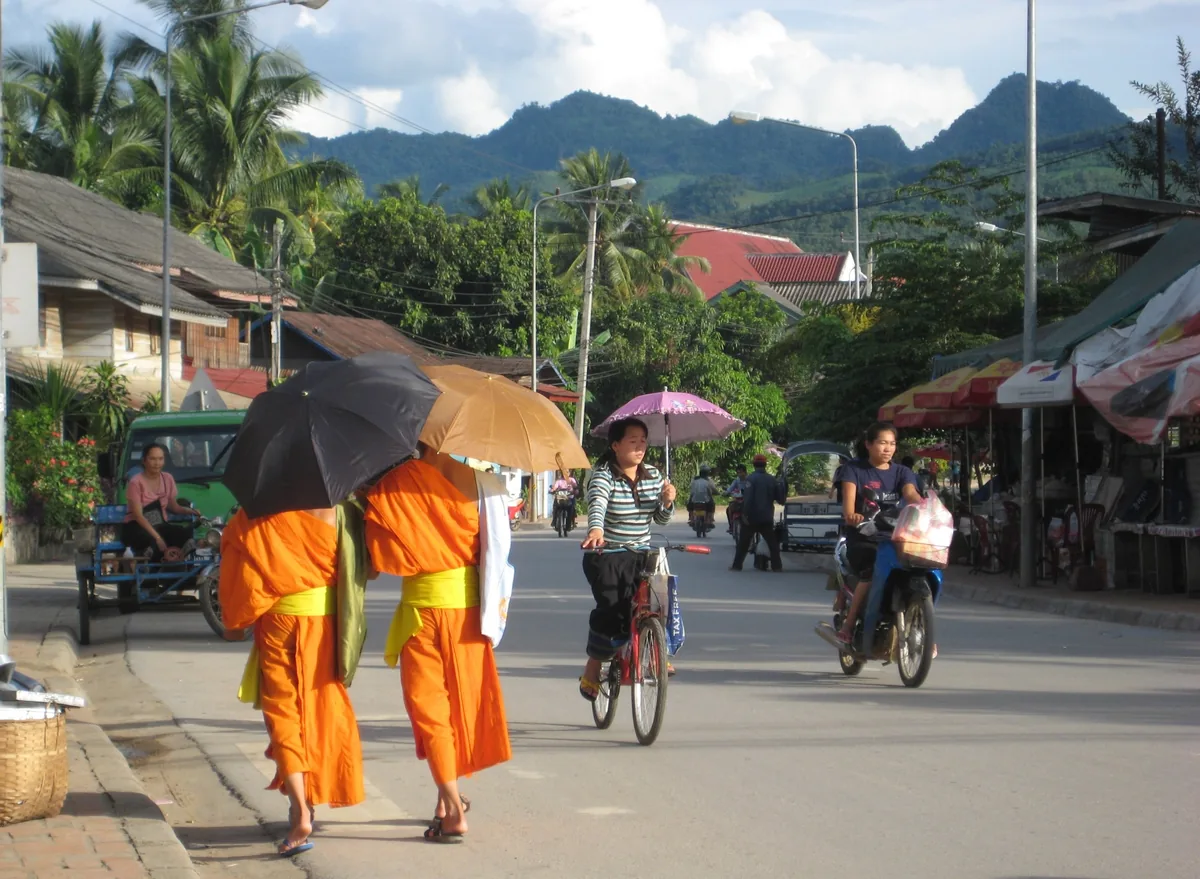
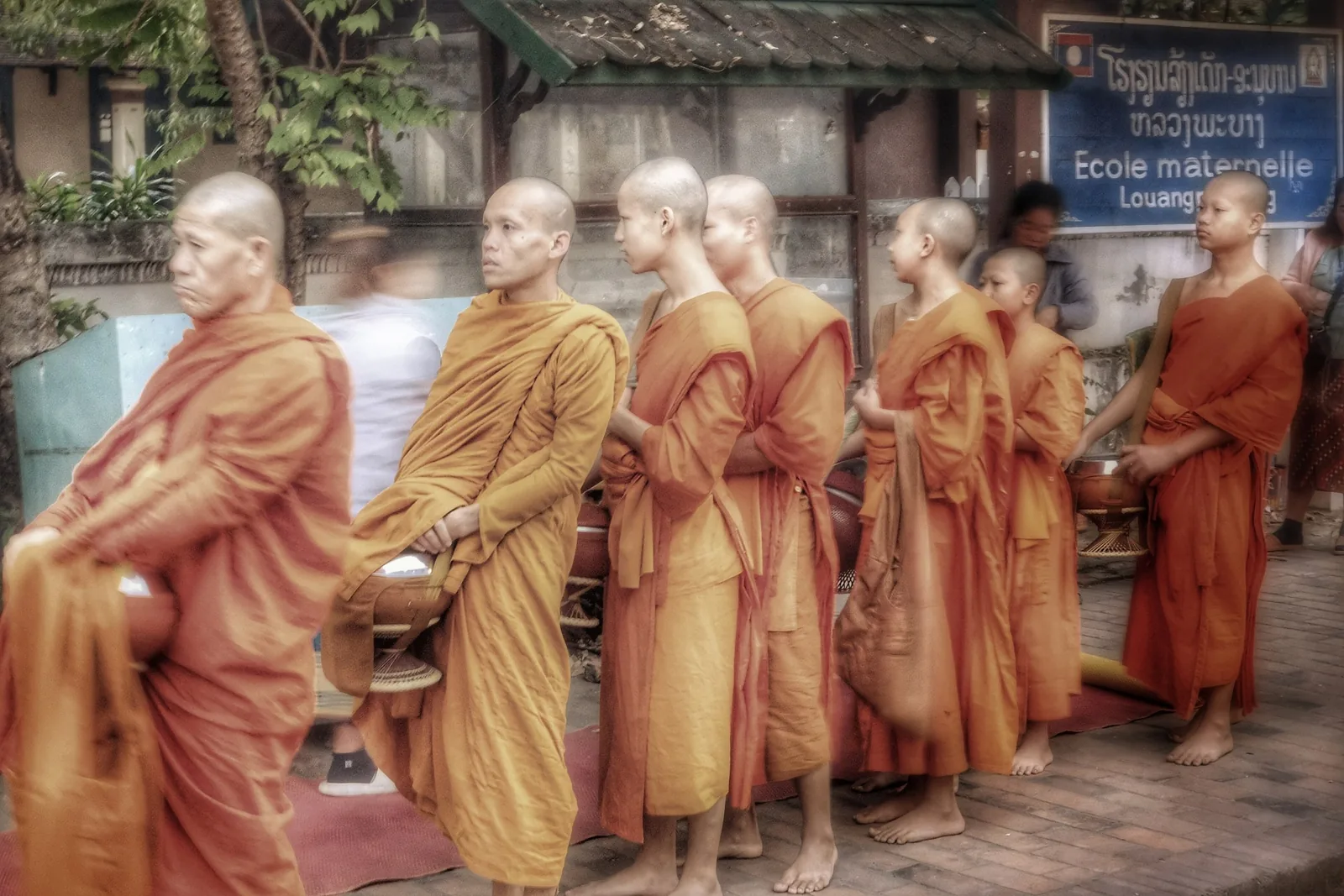
- The dawn alms round in Luang Prabang is a religious act, not a display — watch from a distance in silence, or skip it.
- Withdrawal limits at Lao ATMs are low, so plan for several trips or carry US dollars to change at a bank.
- Roads in the north are winding and slow; a hundred kilometres routinely takes three to four hours, and night driving is avoided.
Currency
Lao kip (LAK)
Visa
eVisa or visa on arrival, about 40–50 USD
Best Months
November to February; avoid March haze
Time Zone
UTC+7, no daylight saving
Language
Lao; French and English in towns
Plugs
Type A, B, C, E and F, 230V
Most travellers need a visa, and there are two straightforward routes. Visa on arrival is issued at Wattay airport in Vientiane, at Luang Prabang and Pakse airports, and at the busier land crossings, including the Friendship Bridge from Nong Khai. It costs roughly 40 to 50 US dollars depending on nationality, is paid in cash, and needs one passport photograph. Queues are short outside the peak weeks.
The eVisa at laoevisa.gov.la costs about the same and is approved in three to five working days, but it is accepted only at a defined list of checkpoints — several Vietnam to Laos land borders are not on it, so do not buy one and assume it will work at a remote crossing.
Both give thirty days, extendable once inside the country. Everyone must also complete the Lao Digital Immigration Form shortly before arrival.
Rules shift. Check with the Lao embassy for your nationality before booking.
November to February is the pick of the year: dry, clear, warm in the day and cool enough at night in Luang Prabang and the northern hills to want a jacket. This is also when prices and occupancy peak, so book early.
March and April bring two problems at once. Temperatures climb into the high thirties, and farmers burn fields and forest across the north — the haze can persist for weeks, flights into Luang Prabang are occasionally delayed, and the mountain views the region is known for simply are not there. Travel then only if the itinerary is river and town rather than scenery.
May to October is the wet season. Rain comes in heavy bursts rather than all day, the countryside is green, and river levels rise enough for boats that cannot run in April. Unsealed roads in the north deteriorate, and some village tracks close.
Laos runs on cash. The kip has a lot of zeros — a modest restaurant bill can be a six-figure number — and the largest note in circulation is 100,000 kip, so the physical volume of money is a genuine consideration.
ATMs are reliable in Vientiane, Luang Prabang, Vang Vieng, Thakhek and Pakse, and rare elsewhere. Per-withdrawal limits are low by regional standards, each transaction carries a fee, and machines can be emptied over a weekend or a festival. Draw money in the larger towns before moving on.
Cards are accepted at hotels, a handful of restaurants and some tour offices. Markets, boats, tuk-tuks, temple donations and village guesthouses are cash only.
Carry a reserve of clean, unmarked US dollars. Banks and exchange counters take them readily and refuse torn or heavily creased notes.
The Laos to China railway changed northern travel. Vientiane to Luang Prabang now takes under two hours instead of a long day on mountain roads, and the line continues to Boten on the Chinese border. Tickets go on sale a few days ahead and sell out in high season; seats are assigned, and the stations sit well outside the towns they serve.
Lao Airlines flies Vientiane to Luang Prabang and to Pakse, which is the practical way to reach the south.
Road journeys are slower than the distances suggest. Mountain roads average around thirty kilometres an hour, and drivers avoid travelling after dark.
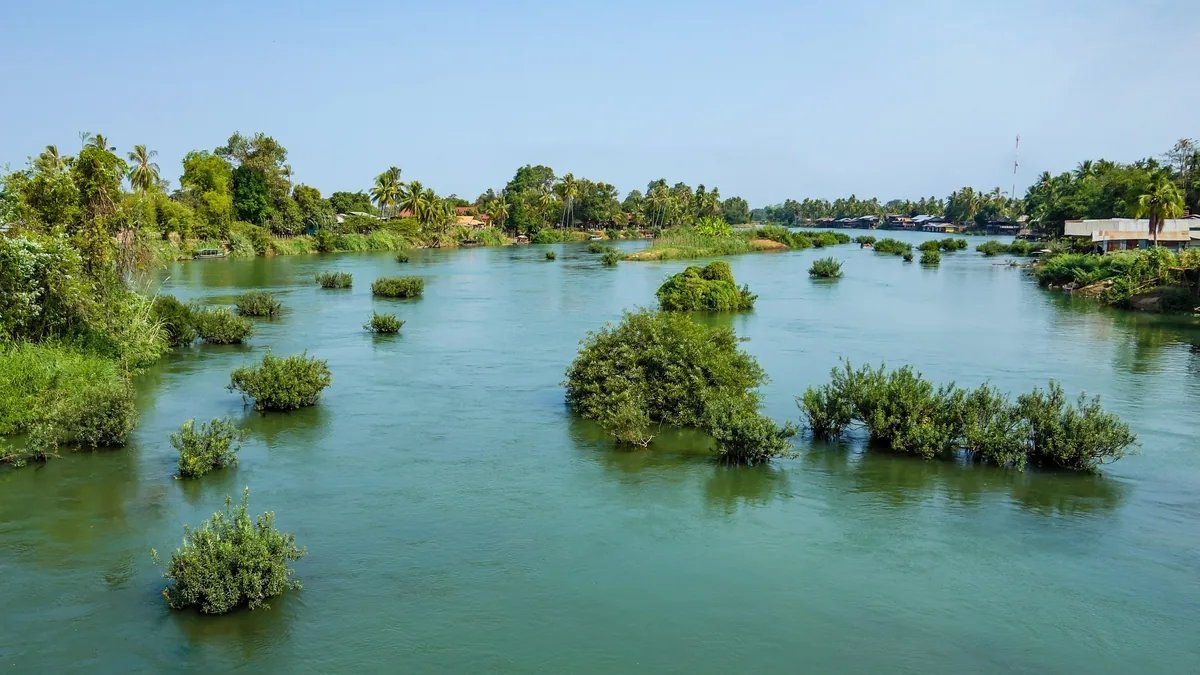
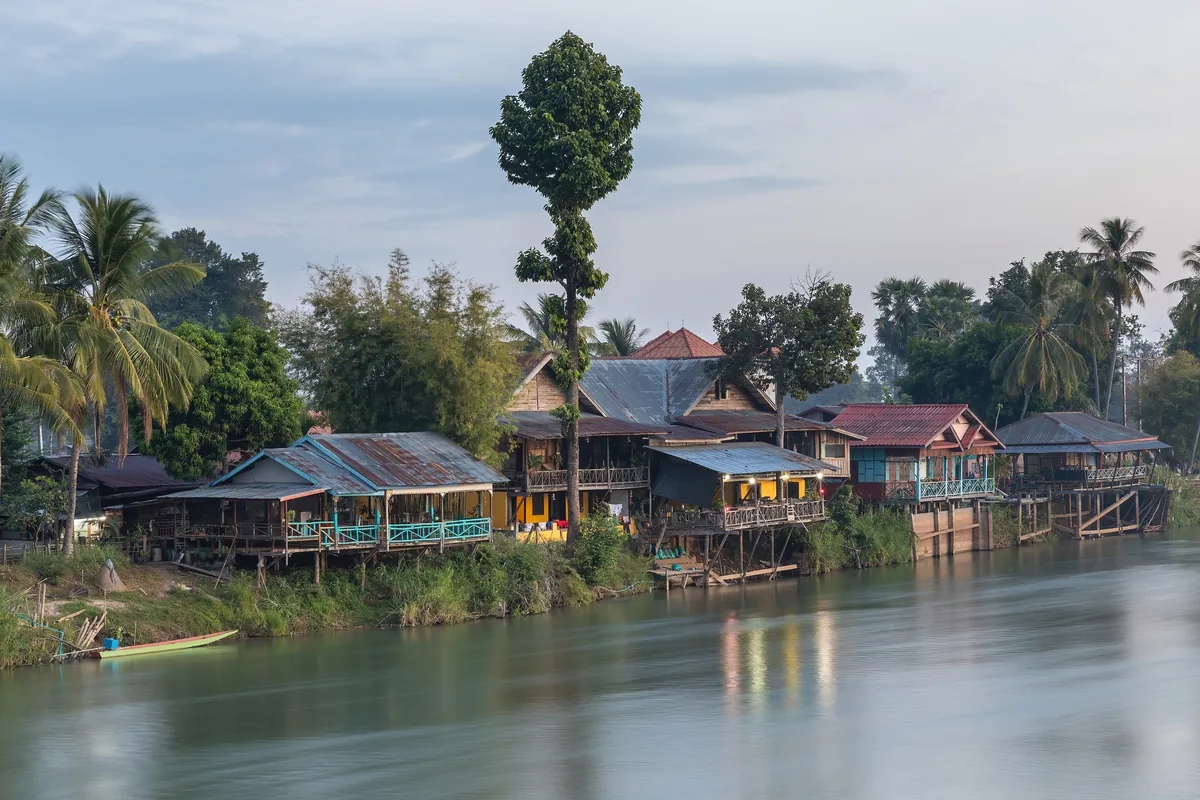
River travel is a mode of transport, not only a diversion. The two-day slow boat from Huay Xai to Luang Prabang is still the classic route, and shorter Mekong and Nam Ou stretches connect villages the roads reach badly.
No vaccinations are required to enter. The usual advice is hepatitis A, typhoid and tetanus, with rabies cover worth considering because dogs are common and treatment is not quickly available outside the capital. Dengue occurs in the wet season; repellent and long sleeves at dusk do more than any tablet.
Do not drink tap water anywhere in Laos, including in hotels. Bottled and filtered water is easy to find and cheap.
Medical care is the real constraint. Vientiane has clinics used to foreign patients, but anything serious is referred across the Mekong to Thailand, most often to Udon Thani or Bangkok. Insurance that explicitly covers evacuation is essential.
Unexploded ordnance remains in parts of the east and around the Plain of Jars. Stay on marked paths, and do not walk into fields or pick up metal objects.
The dawn alms round, tak bat, is the point where visitors most often cause offence. It is a daily religious observance, not a performance. If you watch, stand well back on the opposite side of the street, stay quiet, do not use flash, and do not step into the line of monks. If you have not been briefed on how to offer food properly, do not join in.
Temples ask for covered shoulders and knees and bare feet inside. Women do not hand objects directly to monks; place them down instead.
The traditional greeting is the nop — palms together at chest height with a slight bow. A handshake is fine, but the nop is appreciated.
Keep your head lower than an elder’s where you can, do not touch anyone’s head, and keep your feet pointed away from people and Buddha images.
Journeys through Laos
Departures that take in this part of Laos, plus the other places we cover there in depth.