Five Countries, Many Climates
Our departure dates are chosen around this calendar rather than spread evenly through the year, so the honest answer to "when should I come" is often "take the departure closest to the month below".
The Dry Season
Across most of the region the reliable months run from November to February: low humidity, daytime temperatures in the high twenties, and rain that stays away for days at a time. It is also the busiest and most expensive period, and northern Vietnam can be genuinely cold and grey in January. March and April are dry too, and a great deal hotter.
What Rain Means
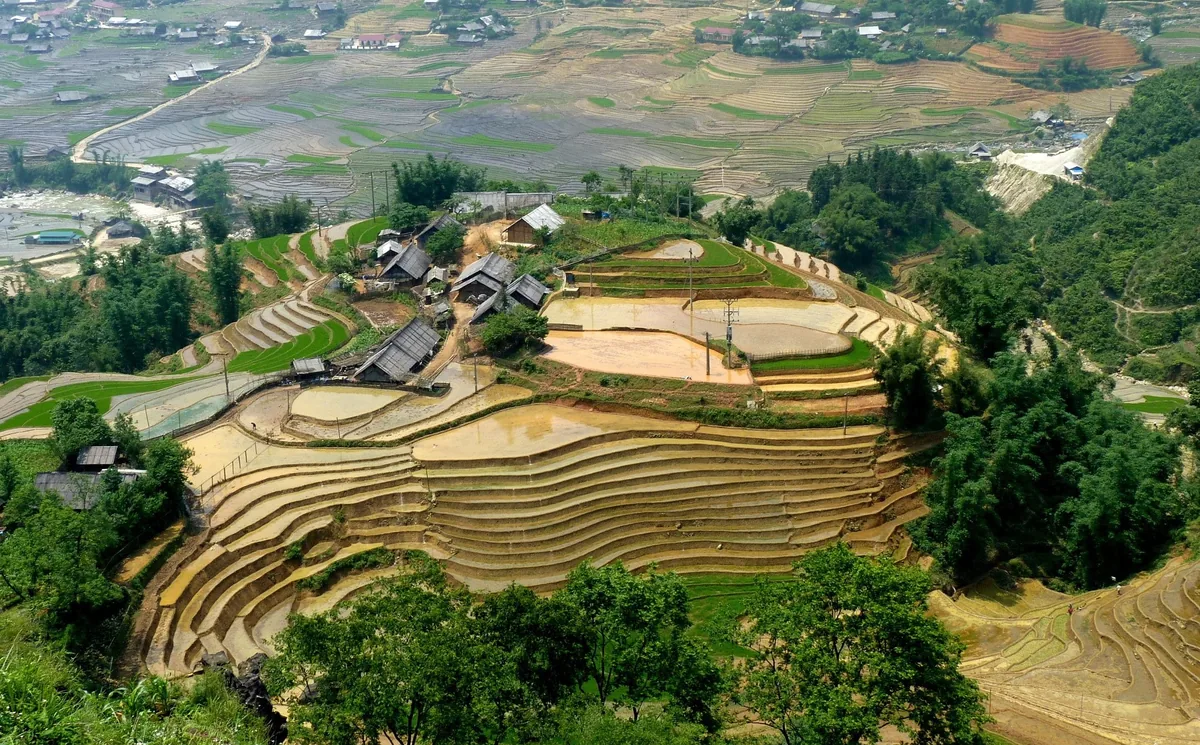
Outside the typhoon months, the wet season is not a washout. Rain arrives in the afternoon, falls hard for an hour, and clears. Temples empty out, rice terraces are green rather than brown, and rooms cost less. The real risks are flooded roads in the Mekong delta and around Hoi An, and cancelled sailings in Halong Bay.
Heat And Humidity
April is the hottest month almost everywhere, with Bangkok, Vientiane and Phnom Penh regularly above 38°C and little relief after dark. Angkor and Ayutthaya offer no shade at all. If you are travelling with children, or with anyone who struggles in heat, move the trip to December or January, or start every single day at first light.
Top Highlights
- If you can only travel once and want the whole region reliably dry, aim for late November to early February and book early.
- Central Vietnam is the exception to everything: Hue and Hoi An are wettest from September to December, when the north is at its best.
- Angkor is greener, quieter and photographs better in the wet season, and the afternoon rain rarely lasts more than an hour or two.
- Avoid the far north of Thailand and Laos from late February to early April, when field burning pushes fine-particle readings to hazardous levels.
- Thailand’s two coasts are out of step: Andaman beaches are dry from November to April, the Gulf islands from January to August.
- Book flights and trains well before Tet, Songkran and Pi Mai — the region moves house for a week and seats sell out months ahead.
Vietnam, north
Oct-Dec, Mar-Apr
Vietnam, centre
Feb-Aug
Vietnam, south
Dec-Apr
Cambodia, Laos
Nov-Feb
Thailand, Andaman coast
Nov-Apr
Thailand, Gulf islands
Jan-Aug
Vietnam is really three countries where weather is concerned. The north — Hanoi, Halong Bay, Ninh Binh, Sapa — has four seasons. October to early December is the pick: dry, clear and mild. January and February bring a damp grey drizzle that can sit over Halong Bay for a week, and Sapa occasionally sees frost. March and April warm up and clear again.
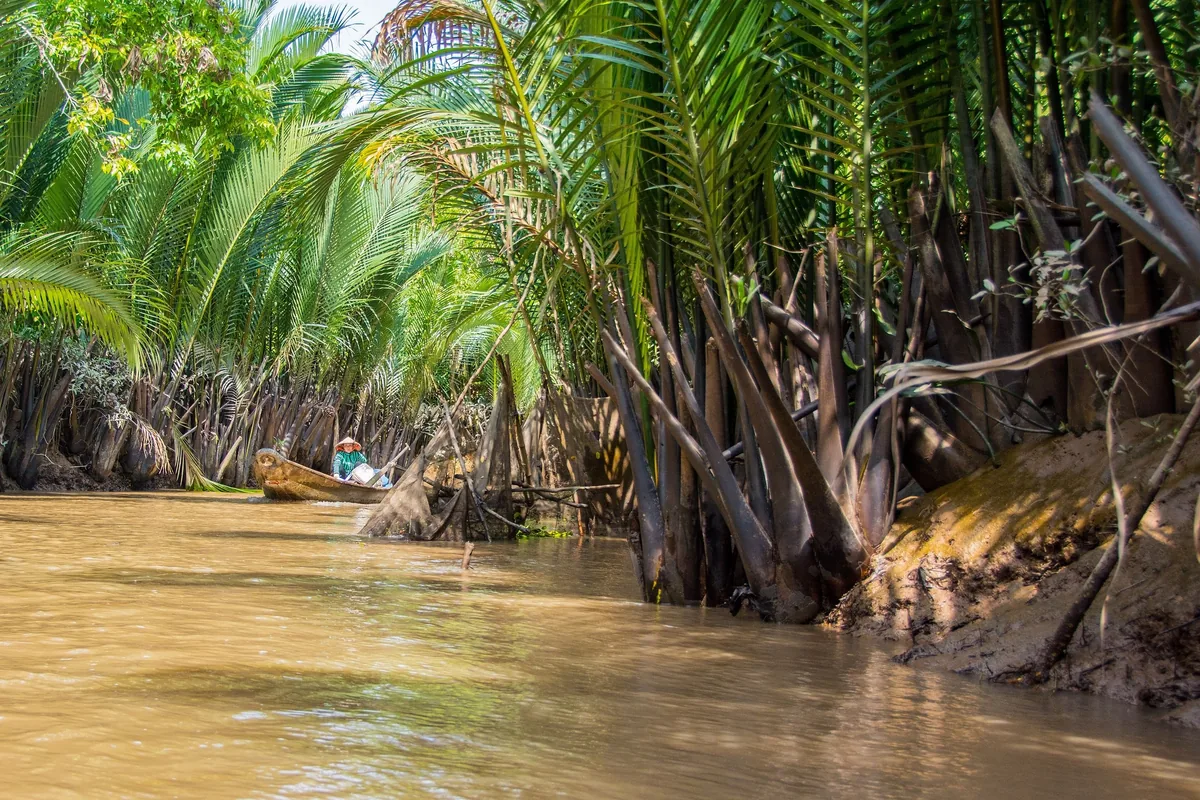
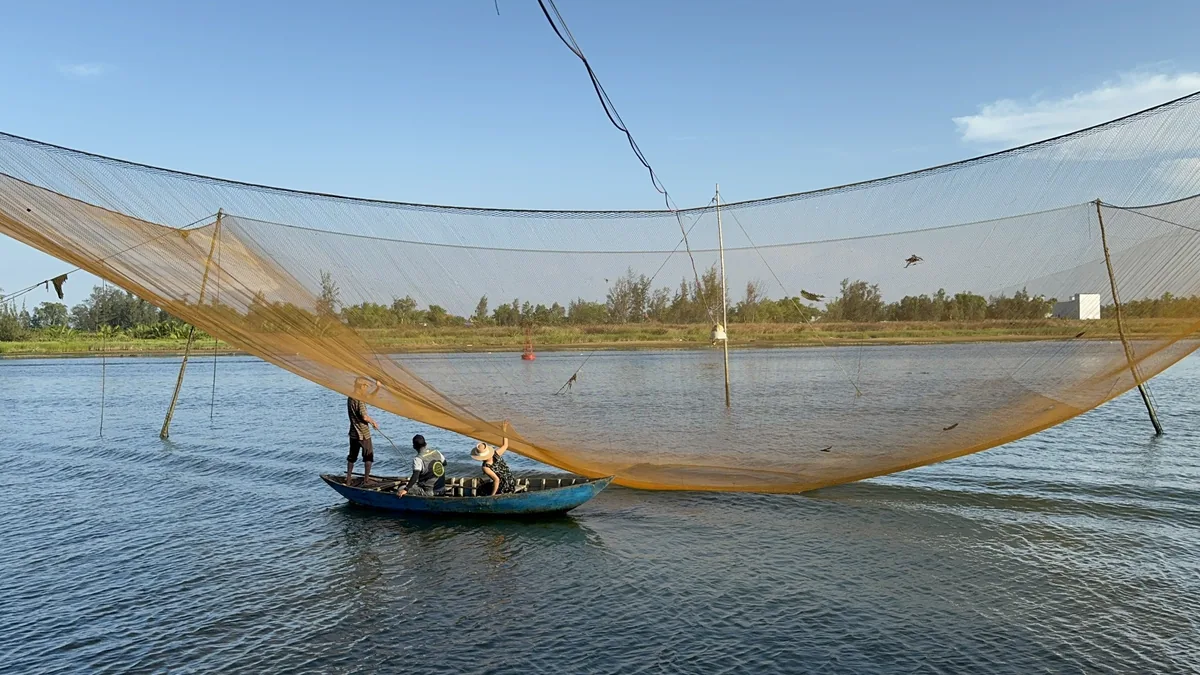
The centre — Hue, Hoi An, Danang — runs on a different calendar entirely. It is dry from February to August and wet from September to December, with the heaviest rain in October and November. Hoi An’s old town floods most years, and the shops there keep their stock upstairs for it.
The south — Ho Chi Minh City, the Mekong delta, Phu Quoc — is hot all year. December to April is dry; May to November brings afternoon downpours that rarely disrupt a day’s plan. A north-to-south trip in October or November will meet rain somewhere along the way, and we plan the order of the nights around it.
Cambodia has a straightforward monsoon. November to February is dry and comparatively cool, with mornings around 24°C and afternoons in the low thirties — which is also why it is the busiest season at Angkor. March to May is dry and severe: 35 to 40°C, no cloud, and the temples radiating heat by mid-morning.
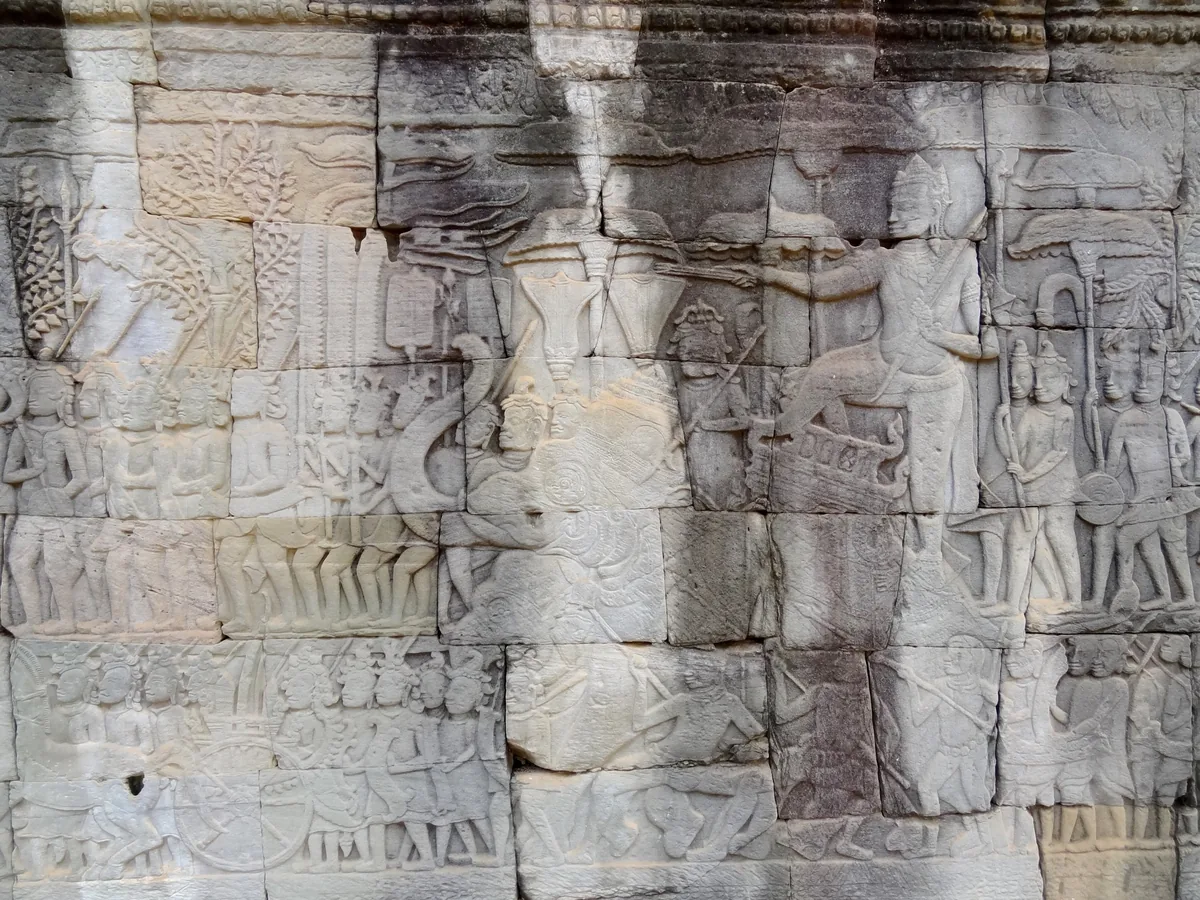
The rains run from June to October, heaviest in September and October. This is a better time at Angkor than its reputation suggests. The moats and barays fill, the stone darkens, the crowds thin and the light is softer. Rain typically falls in the late afternoon. Roads to the outlying temples turn to mud, which is worth knowing if Beng Mealea or Koh Ker matters to you.
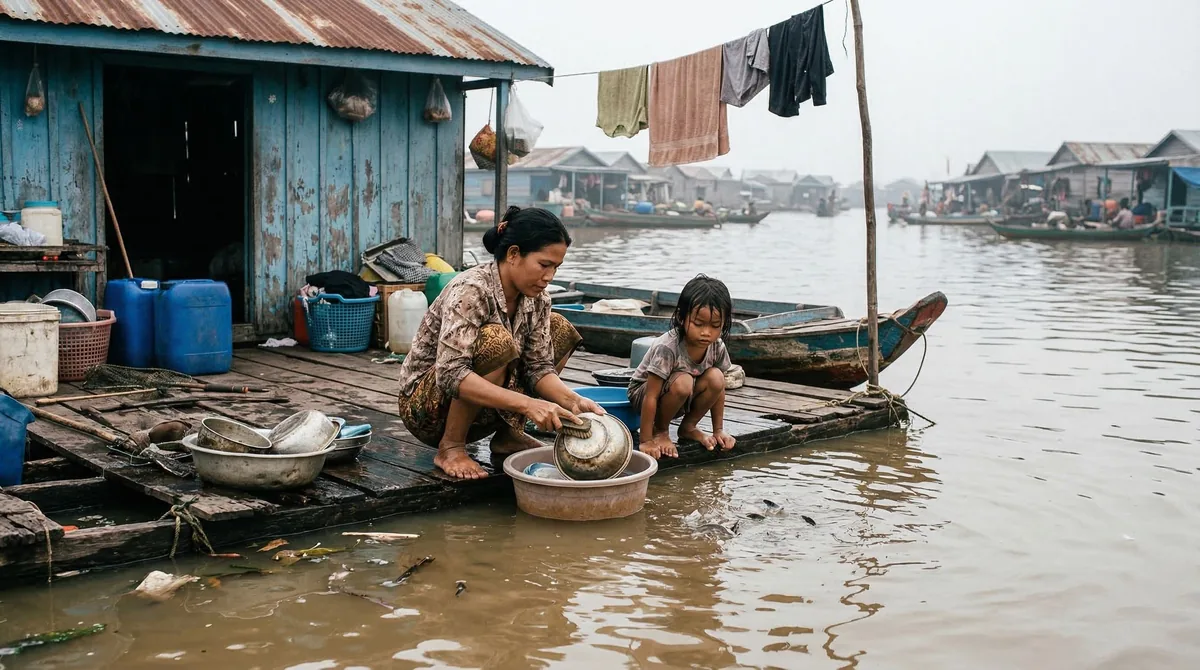
The Tonle Sap reverses its flow between roughly June and October, and the floating villages sit at very different water levels depending on the month. In the dry season several of them are stranded well short of the lake.
Laos follows the same wet and dry pattern as Cambodia, with altitude complicating it. Luang Prabang and the northern valleys are cool and clear from November to February — mornings can drop below 15°C, and the mist over the river before sunrise is one of the reasons people come. Vientiane and the south stay warmer throughout.
March to May is hot, and in the north it is also smoky, for the reasons set out below. June to October brings the rain, which is when the countryside is at its best: the waterfalls at Kuang Si actually run, the Nam Ou is high enough for boats, and the rice terraces around Nong Khiaw are green.
River levels matter here more than in the neighbouring countries. The slow boat from Houayxay to Luang Prabang runs year-round but is more comfortable at moderate water. In the far south, the Four Thousand Islands are most impressive from August to October, when the Khone Falls carry their full volume.
Mainland Thailand — Bangkok, Ayutthaya, Kanchanaburi, Sukhothai — is dry from November to February, hot from March to May, and wet from June to October, with September usually the wettest month. Bangkok floods in patches after heavy rain and drains again within hours.
The islands are the complication. The Andaman side — Phuket, Krabi, Koh Lanta, the Similans — is dry from November to April and wet from May to October, when the southwest monsoon brings swell and some boat services stop altogether. The Gulf side — Koh Samui, Koh Phangan, Koh Tao — runs almost the opposite way, staying usable from January into August and taking its heaviest rain in November and December.
The practical consequence: if you want beach time in November, go to the Andaman coast; if you want it in July, go to the Gulf. Trying to do both coasts in one trip means one of them will be off-season, whichever month you pick.
From late February into April, farmers across northern Thailand, northern Laos and eastern Myanmar burn crop residue and forest undergrowth. Smoke collects in the mountain valleys and does not clear until the first rains. Chiang Mai, Chiang Rai, Pai, Luang Prabang and Nong Khiaw are all affected, and the sky turns a flat white that hides the hills completely.
The readings are not marginal. In the 2026 season Chiang Mai recorded fine-particle concentrations many times the national safety standard, hospitals reported a sharp rise in respiratory patients, and three northern provinces were declared disaster areas in early April. It was among the worst seasons on record.
We do not run northern itineraries at the peak of it. If March or April is your only window, we will send you to the coast, to Cambodia, or to southern Laos instead, and we will say so rather than sell you a trekking week you would spend indoors. Conditions vary from year to year, and we check current readings before every departure.
The typhoon season in the South China Sea runs from roughly June to November, and central Vietnam takes the worst of it between September and December. Storms bring several days of heavy rain, closed roads around Hue and Hoi An, and cancelled Halong Bay sailings. None of this is unmanageable if the itinerary has slack in it. It becomes a problem when a trip is built with no spare day anywhere.
Myanmar’s monsoon is the strongest in the region. Yangon is genuinely wet from May to October, Bagan much drier all year because it sits in the central dry zone, and Inle Lake is at its best from November to February. October to February is the only window we would suggest.
Myanmar also carries a separate question that has nothing to do with weather. Several governments advise against travel to large parts of the country, insurance is often void where such advice applies, and only a handful of places remain practically reachable. We set that out on the crossing borders page.
Guides and journeys
The other guides on this site, and a few of the departures they apply to.