Two Ways To Travel
We run both, so we have no reason to sell you the one that does not fit. What follows is the comparison we give on the phone, including the cases where we say a group would be the wrong choice.
What Sixteen Means
Sixteen is the ceiling, not the target, and most departures run between eight and fourteen. It is the number at which a group still fits one minibus, one restaurant table and one guide talking without a headset, and at which a temple visit does not turn into a procession. Above twenty, the logistics begin to dictate the day. Below six, the fixed costs stop working.
Who You Travel With
Our groups are mostly couples and solo travellers from Britain, Australia, Germany, the Netherlands, the United States and Canada, usually somewhere between the mid-thirties and the late sixties. Almost nobody knows anyone else on day one. By day three there are two or three loose sub-groups, people eat where they like, and the ones who want quiet get it.
The Guide’s Attention
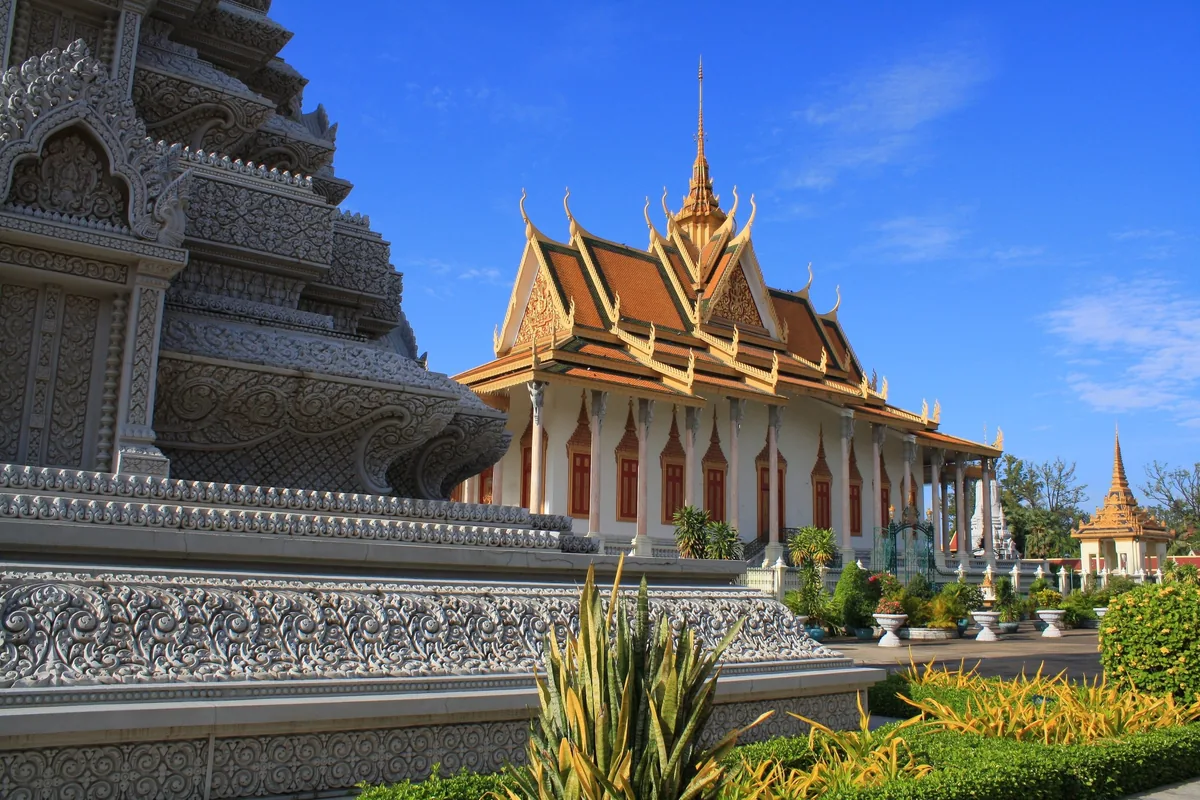
The real difference is not price but attention. A group guide divides the day sixteen ways and works to a schedule everyone agreed to before arriving. A private guide follows you: an extra hour at the museum, an early exit from the temple, lunch when you are hungry rather than when the itinerary says so. Some people find that liberating and others find it tiring.
Top Highlights
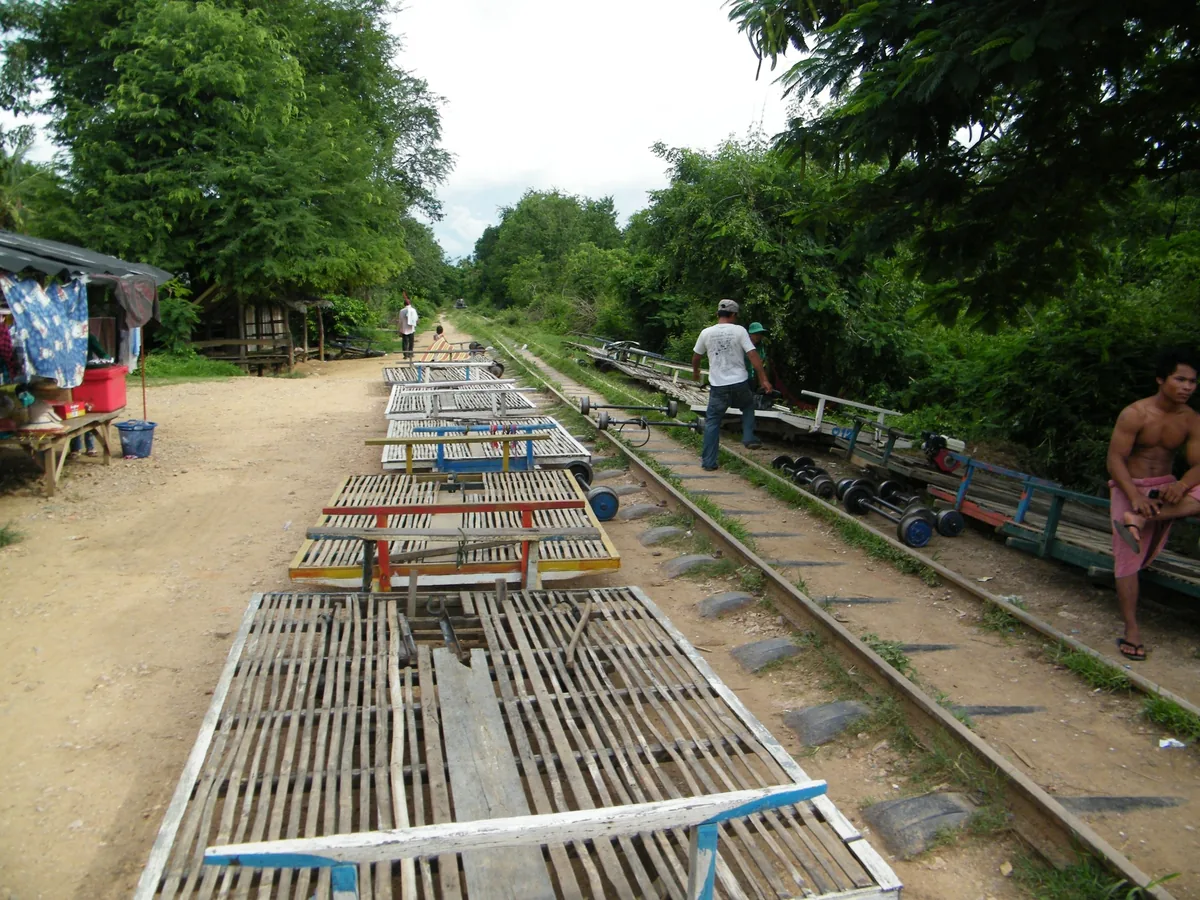
- Departures are guaranteed once two people have booked, so a group trip on your chosen dates will not be cancelled for lack of numbers.
- Solo travellers make up around a third of most departures, and the single supplement pays for a room rather than penalising you.
- Private departures run the same routes with the same guides on any date, which matters if you are tied to school holidays.
- Groups suit a first visit to the region; private suits returning travellers who already know what they want to skip.
- Families with children under about twelve are almost always better served privately, because a group day is not built for them.
- If you need step-free access, a lift in the hotel or a slower walking pace, tell us early and travel privately.
Maximum group size
16 travellers
Typical group size
8-14
Minimum to depart
2 travellers
Solo travellers
About a third of most groups
Private departures
Any date, same routes
Usual age range
Mid-30s to late 60s
Breakfast is at the hotel and open for a couple of hours. The guide sets a departure time the night before, usually early — most of what is worth seeing here is better at eight than at eleven, and a good deal hotter at eleven. The morning is guided and structured: a temple, a market, a workshop, a walk. It runs three to four hours.
Lunch is often together on the first day in a new country and optional after that, because by then people have worked out what they like. The afternoon is more likely to be free than not, and the guide will have suggested three things to do with it and booked whatever needs booking.
Dinner is included two or three times on a fortnight — the first night, a cooking class, the farewell. The rest are yours. Nobody counts heads, and skipping a morning to sleep or read is entirely normal. The one fixed obligation is the transfer to the next place.
About a third of the people on a typical departure are travelling alone, which is a large part of why this format exists. The practical benefits are obvious: someone else handles the logistics, you eat dinner with company when you want it, and the awkward first evening is over within an hour.
We do not put strangers in shared rooms. If you want your own room you pay the single supplement, which is the cost of the room the hotel would otherwise have sold to two people rather than a surcharge for being alone. If you would rather share, and are happy to be matched with someone of the same sex, we will try, and the supplement comes off. We will not pair you with anyone without asking first.
The social side sorts itself out. Guides watch for anyone being left at the edge of it and intervene quietly. Nobody is required to be sociable, and nobody has to explain why they would rather read.
Fixed dates are the usual reason. School holidays, an anniversary, a fortnight of leave that cannot move — if the departure calendar does not line up with your calendar, a private trip solves it in one step and the route stays the same.
The second reason is a strong opinion about the itinerary. Returning travellers often want two nights where the group has one, want to skip a city altogether, or want to add somewhere the group route does not reach. That is straightforward privately and impossible in a group.
The third reason is other people. Some travellers know they do not want to negotiate a restaurant with thirteen others, and that is a preference rather than a failing.
What you lose is worth stating plainly. The group is where a lot of the good stories come from, and travelling privately in a region where you do not speak the language can be quieter than you expected. Couples on long private trips sometimes tell us afterwards that they missed the company.
Prices per person sit on each journey page and there is no point guessing at them here. What is useful is knowing which levers actually move them.
Group size is the main one. A guide, a driver, a vehicle, and the guide’s own meals and rooms cost roughly the same whether four people or fourteen are sharing them, which is why a place on a group departure costs a fraction of the same route run privately for two. A private trip for six sits much closer to group rates than a private trip for a couple.
Season moves hotel rates sharply. December and January cost the most, September and October the least, and on a fortnight the difference is substantial.
Hotel category is the third lever and the one most under your control: the routes are identical, the rooms are not. Internal flights instead of overland legs buy days back at a cost.
We will quote both formats side by side if you ask, and most people find the comparison decides it faster than any description.
A group itinerary is a negotiated document. It has to work for someone who wants every temple and someone who wants two of them. Our compromise is to guide the mornings hard and leave the afternoons open, with the guide on hand for anyone who wants more and invisible to anyone who does not.
That means the fixed parts are genuinely fixed — the group leaves at seven because the boat sails at eight — and the loose parts are genuinely loose. You can skip a guided morning without explaining yourself. You cannot ask the group to arrive in Hue a day later.
Privately, everything is negotiable up to the point where a flight is booked. Most private travellers use that freedom to slow down rather than to add: an extra night in Luang Prabang, a whole morning in one market, an afternoon at the hotel pool during the hottest part of the year.
If your instinct on reading an itinerary is that it looks busy, you are probably a private traveller.
Children over about twelve travel well in a group and are often the ones who make it work. Younger than that, the rhythm of a group day — early starts, long transfers, adult conversation over dinner — tends to defeat everyone involved. We would steer families with younger children towards a private departure with a route adjusted for them.
Mobility is a similar case. Much of what we visit involves uneven stone, steep temple stairs and long distances without shade or seating, and Angkor in particular is unforgiving. A group cannot wait indefinitely, but a private guide and driver can restructure the day around it. Tell us honestly what you can walk and we will tell you which parts of a route will not work.
Dietary requirements are easier than people expect. Vegetarian, vegan, coeliac and nut allergies are all manageable across the region, provided we know before departure so the guide can brief kitchens in the local language rather than at the table.
Guides and journeys
The other guides on this site, and a few of the departures they apply to.