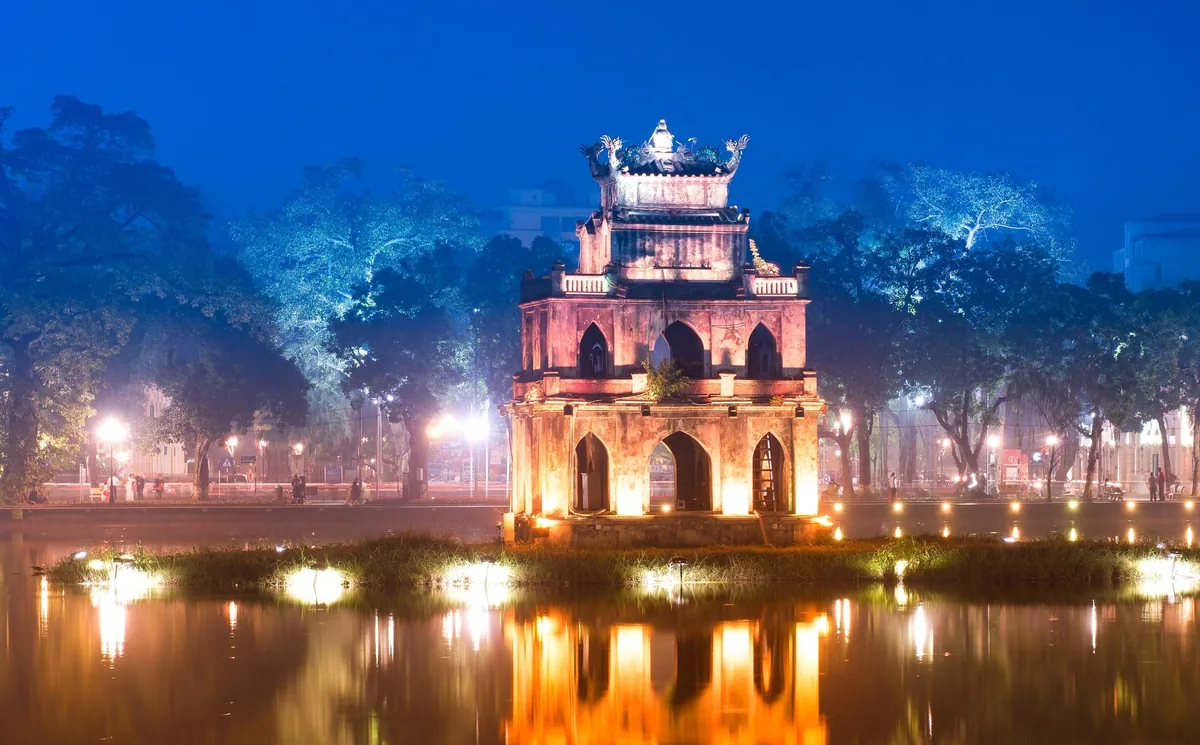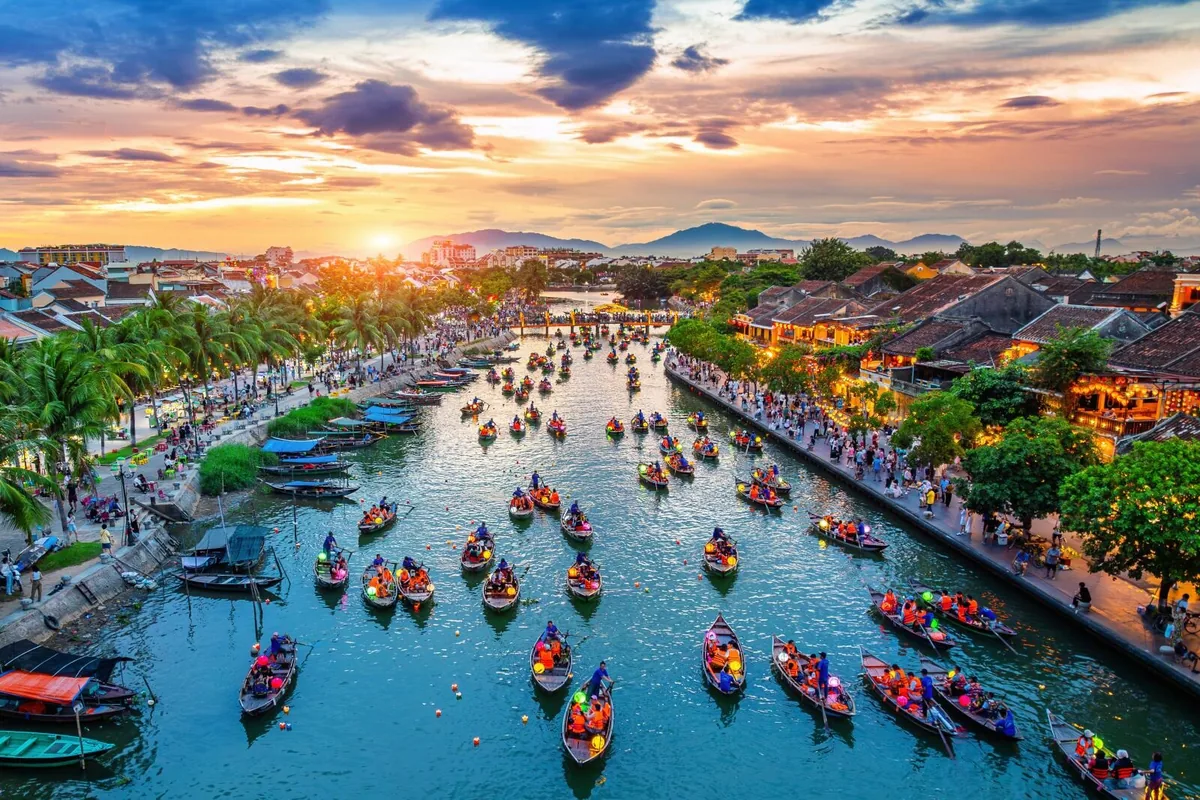
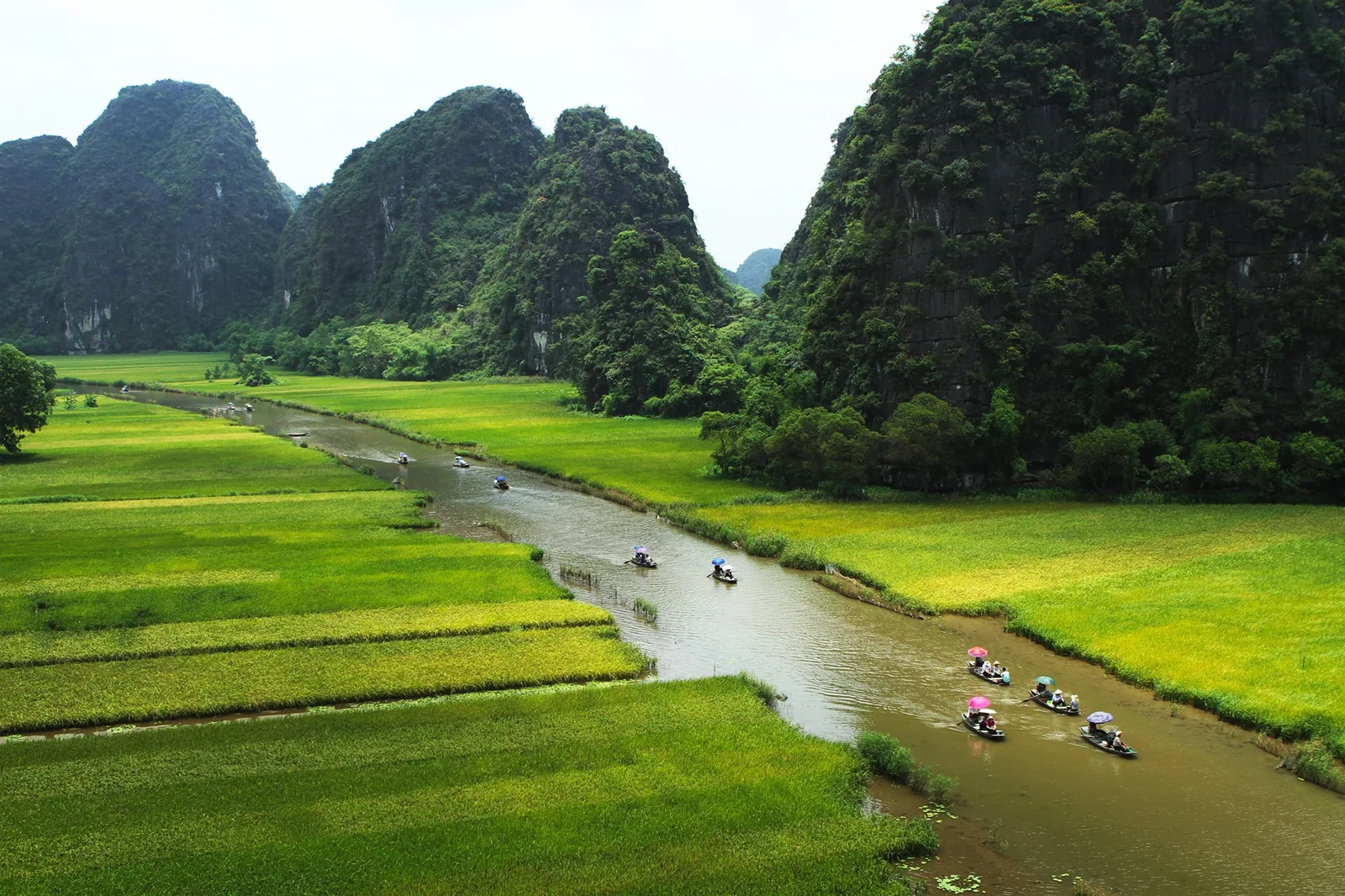
Vietnam has won over the travelling public at last. Refined Hanoi and its faster southern sibling, Ho Chi Minh City (Saigon), compete for the same visitors, who come for the way the old and the new sit side by side. Saigon is the more contemporary of the two, though its French colonial layer survives. The energy comes from the Saigonese themselves, traders to their bones, and from streets solid with mopeds and scooters, whole families balanced on a single seat. The markets run on cheerful chaos.
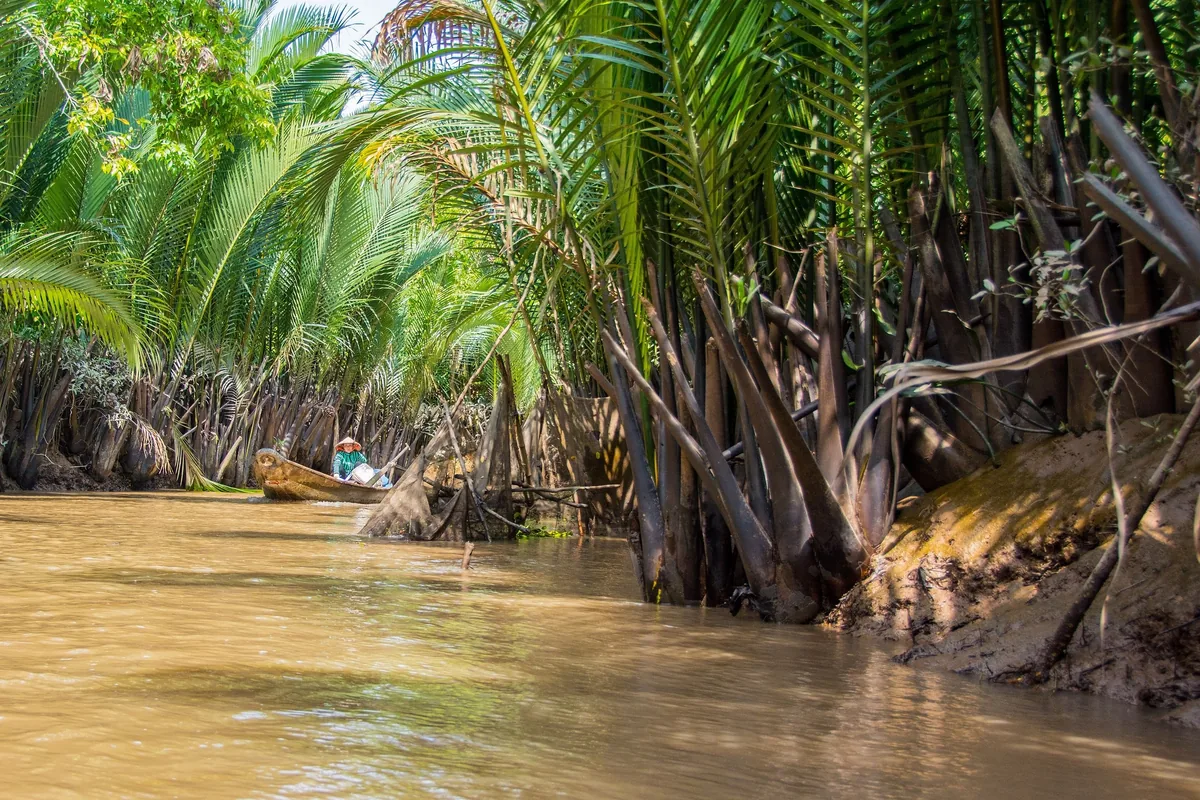
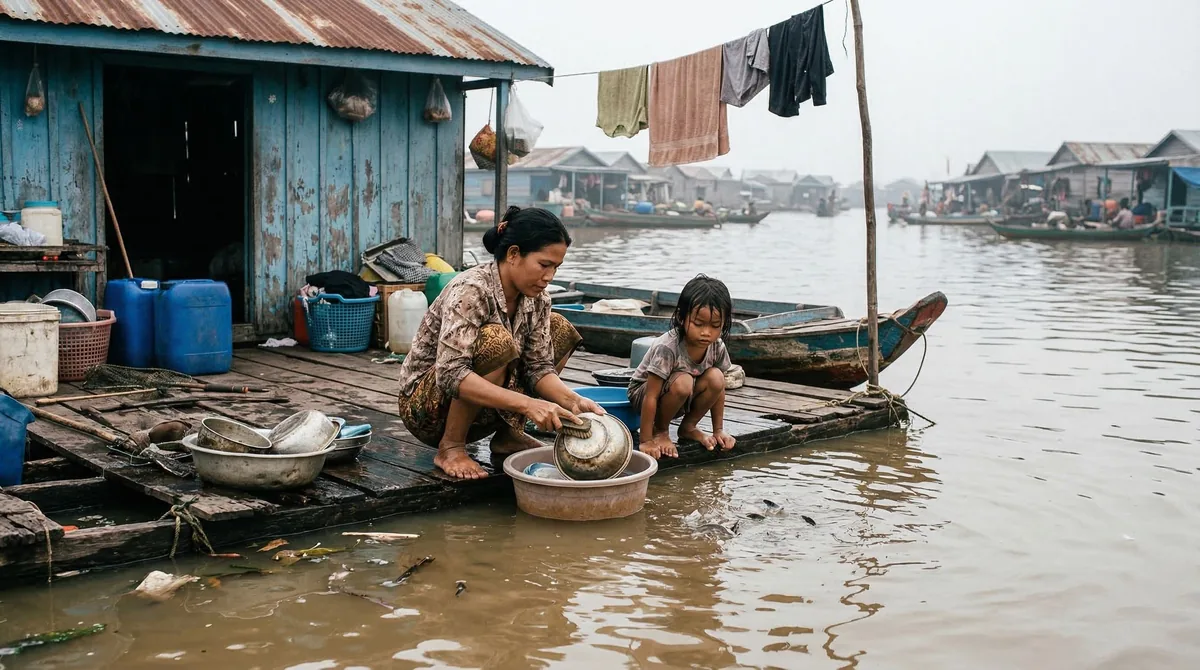
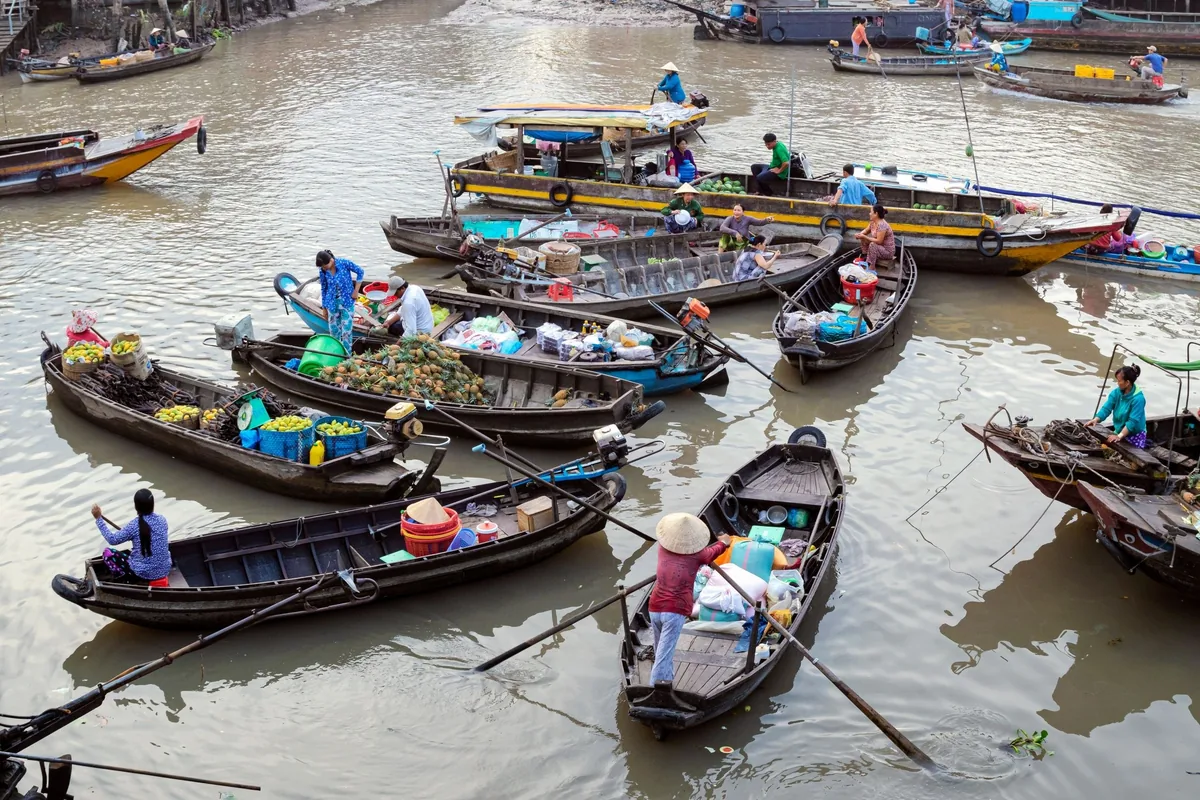
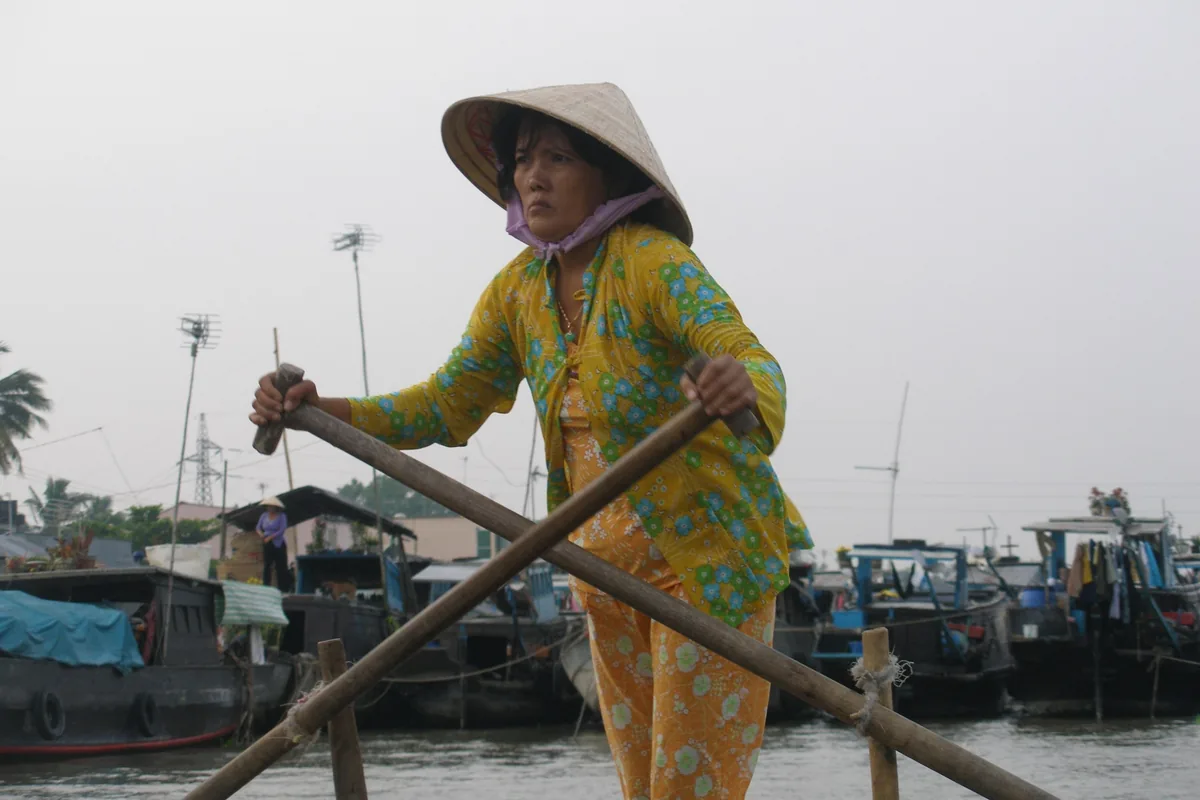
Away from the cities, little has shifted. On the Mekong Delta the floating markets open at first light, boat to boat, piled with fruit and vegetables.
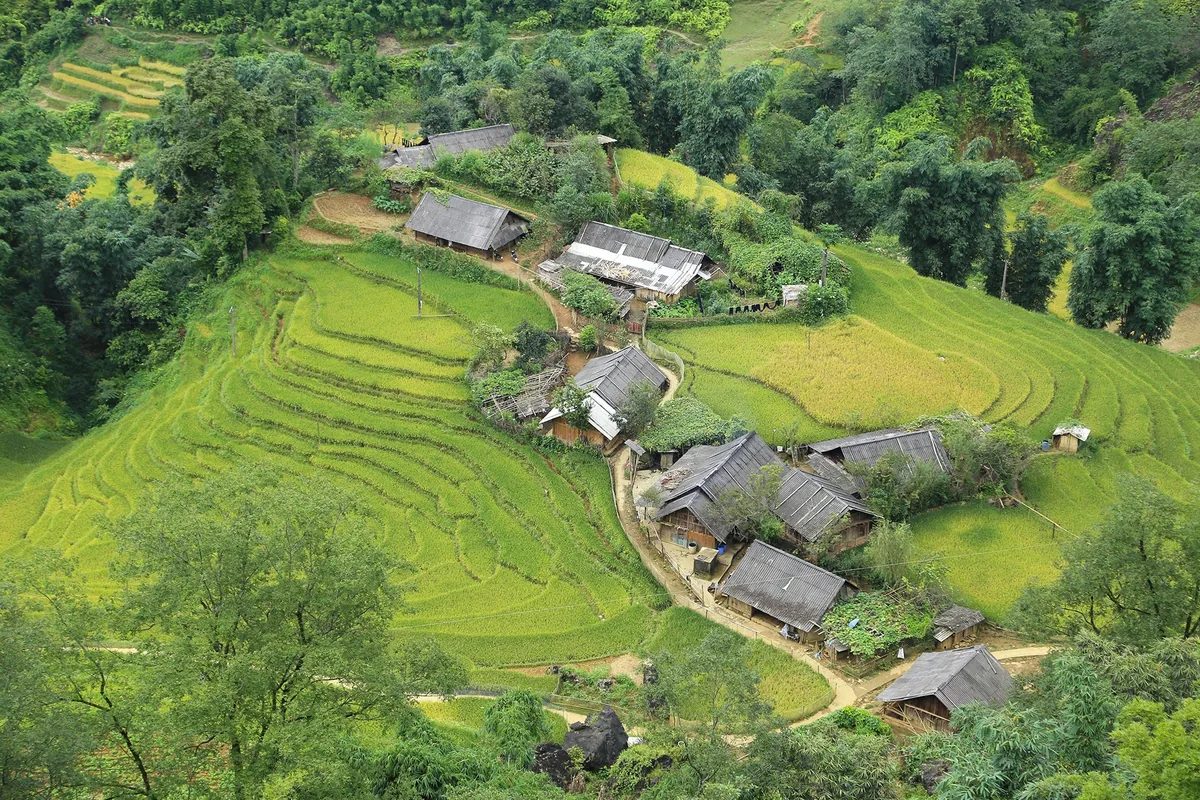
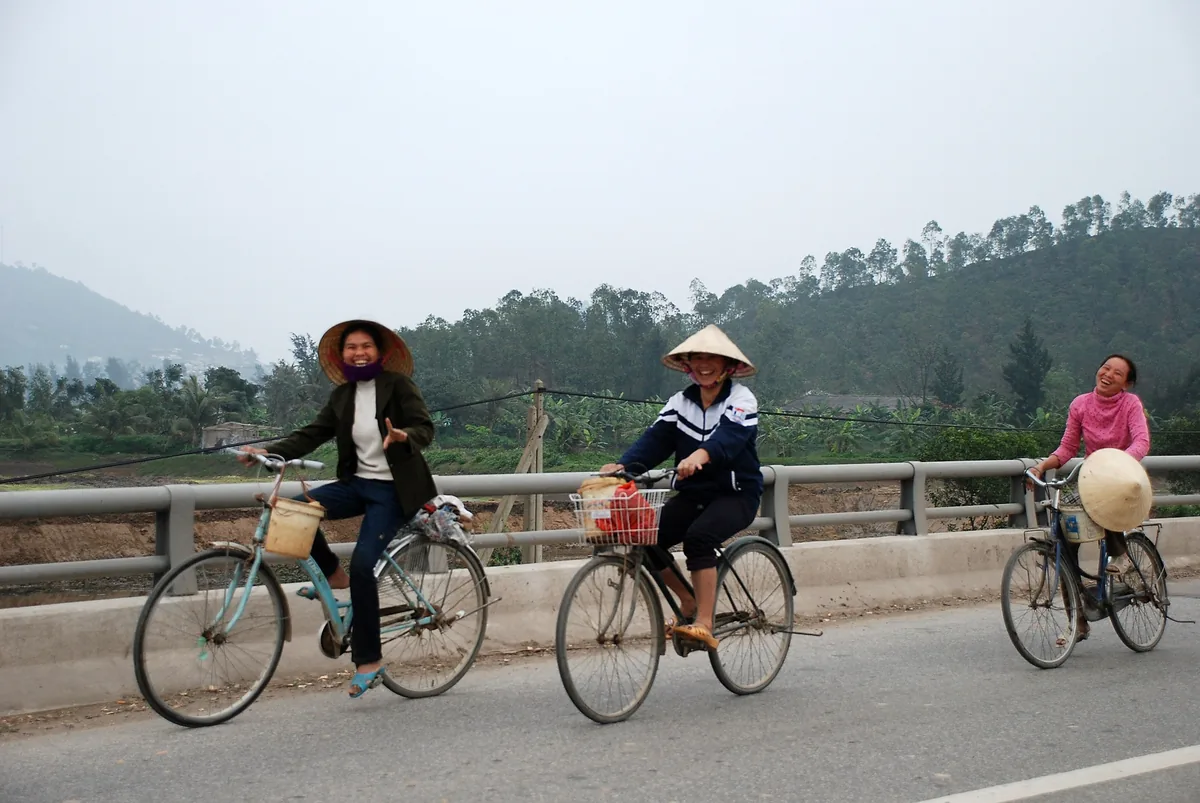
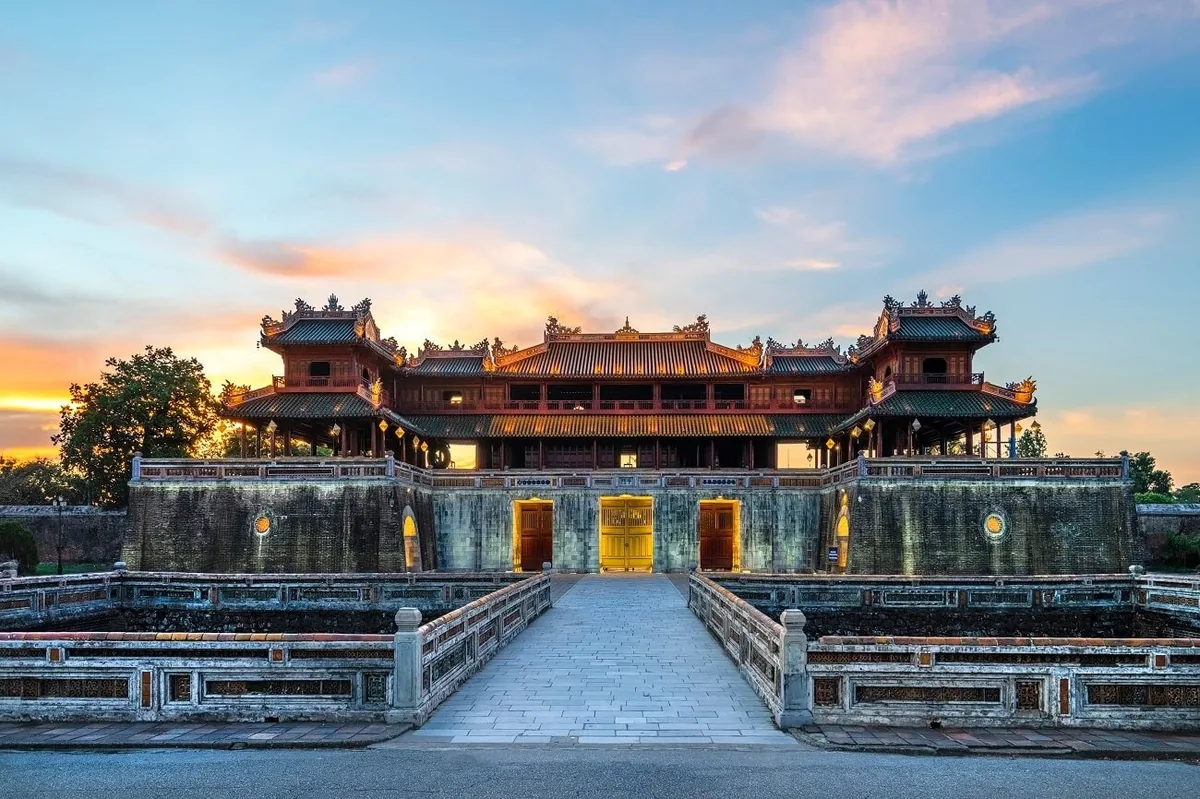
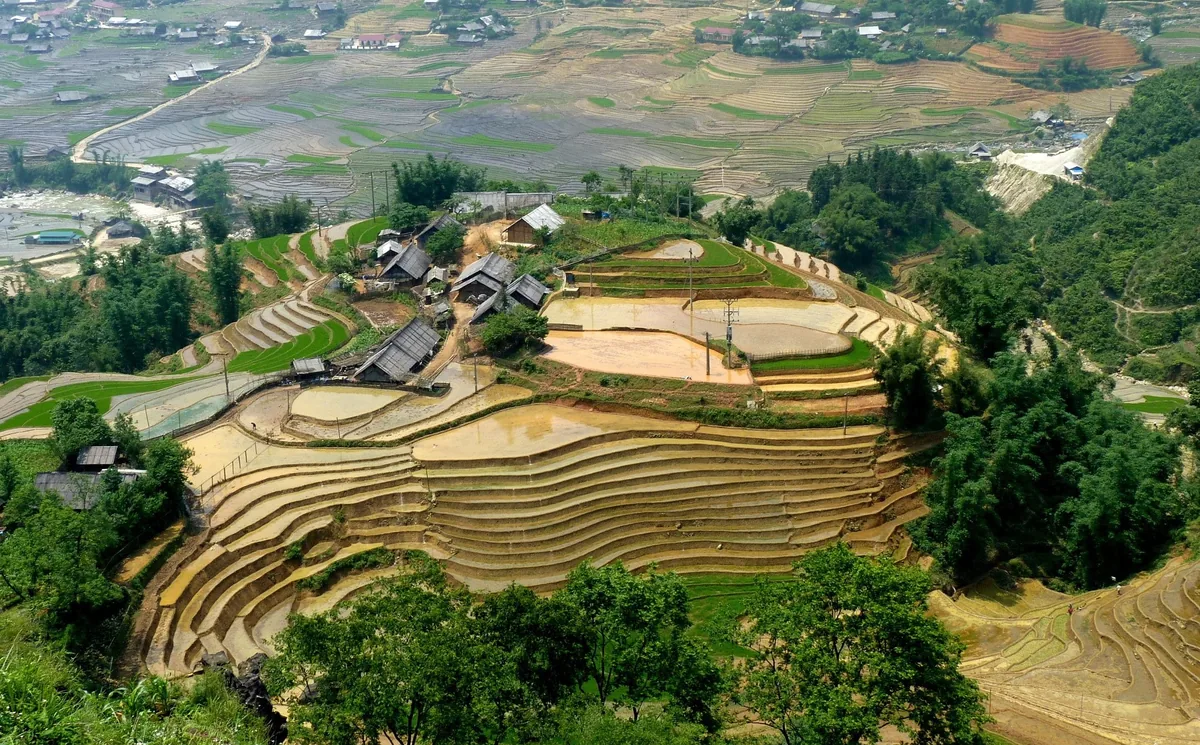
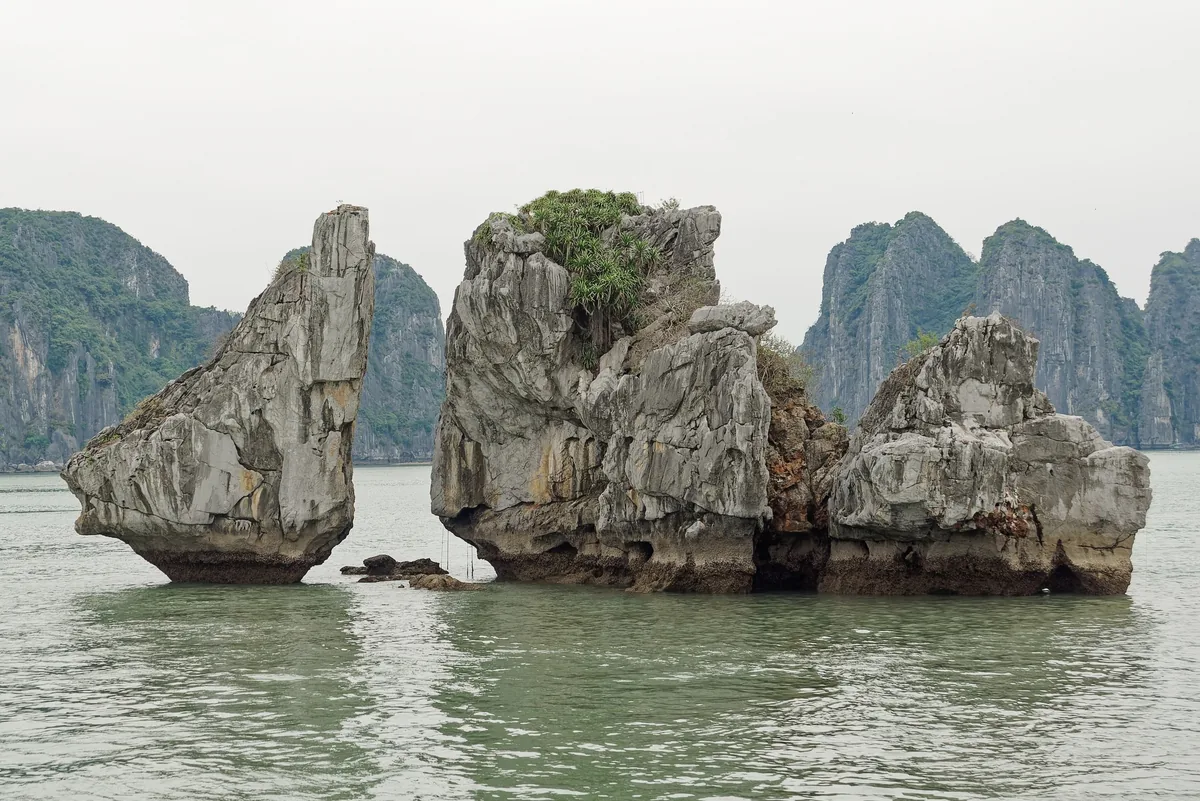
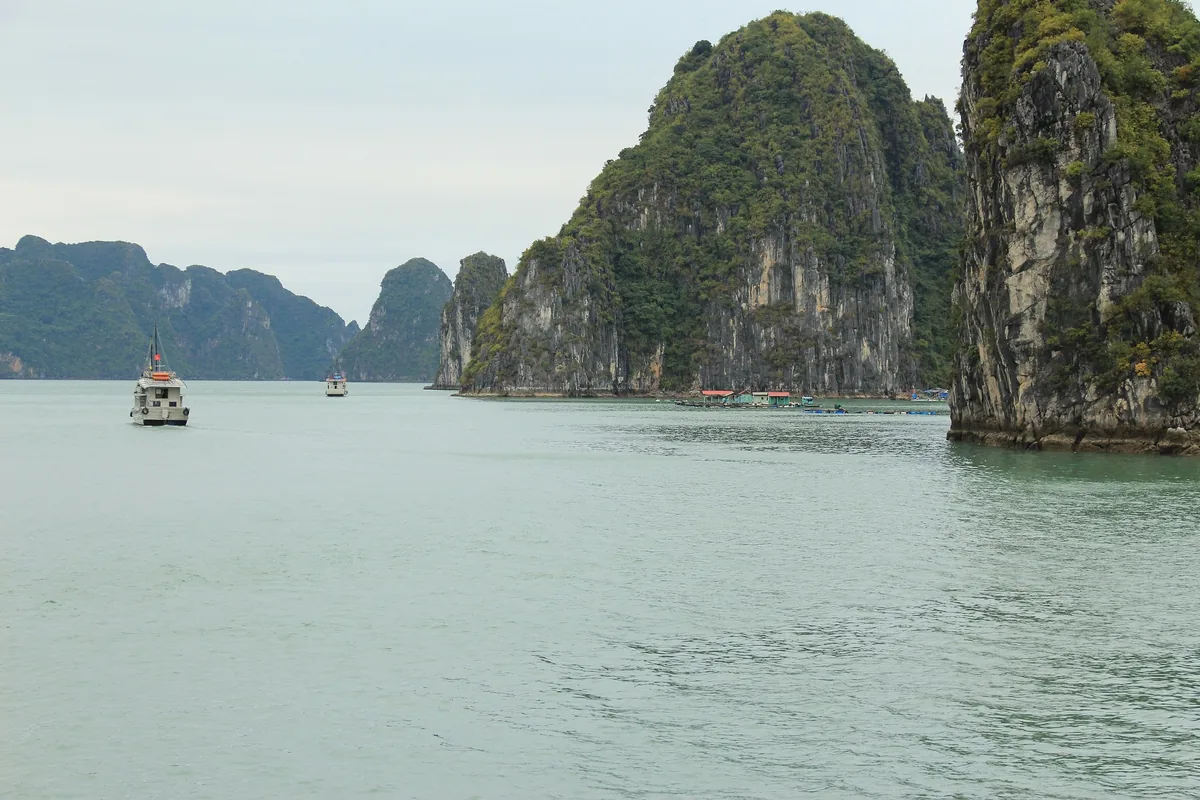
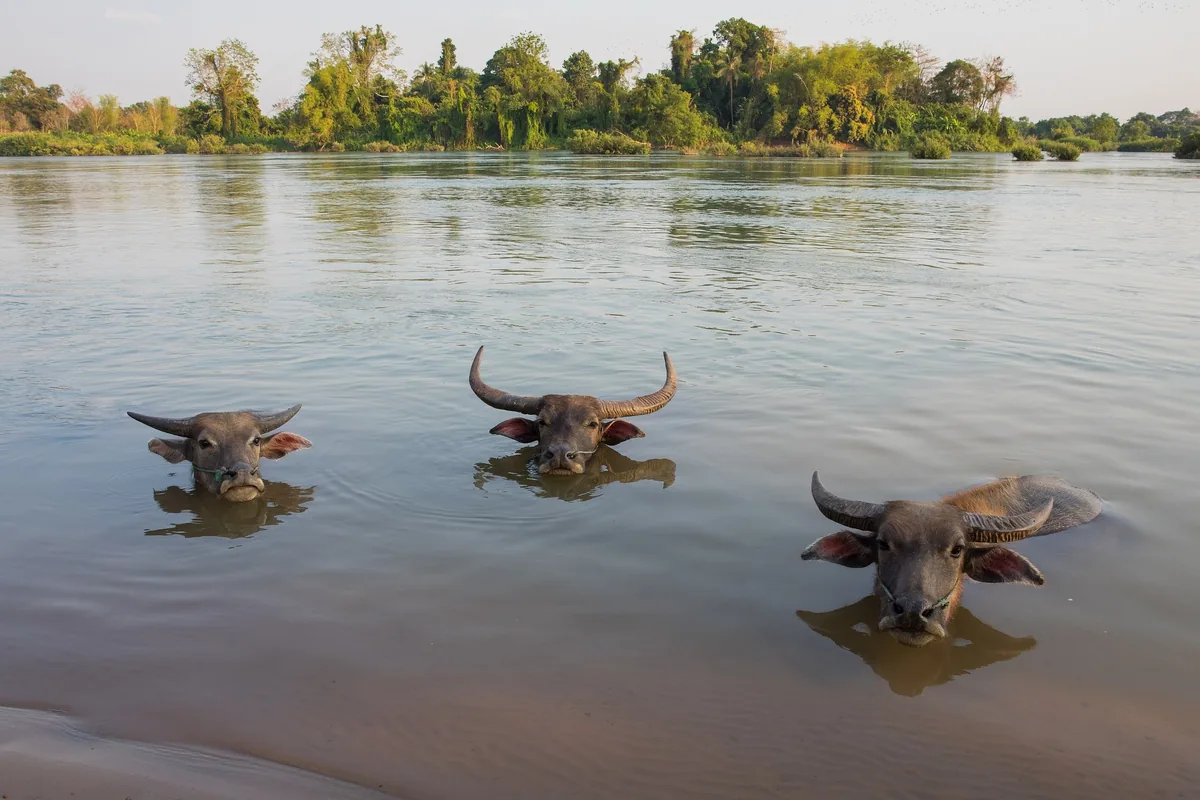
Rice paddies quilt the land in green as far as the eye reaches, that flat expanse broken by a water buffalo or by farm workers in conical hats stooping over young shoots. In the north, high mountains stand above tiny hamlets that have kept their rhythms and their traditional costume for centuries. The French hill stations built in colonial days survive up there too, a cool escape from the heat. The South China Sea holds the 3000 chalk islands of Ha Long Bay, worth every hour it takes to reach them. And Hue, once the imperial capital, returns you to the age of concubines and eunuchs.
France began taking the country in 1858 and had finished by 1884; from 1887 it formed part of French Indochina. Independence was declared once the Second World War ended, but French rule held on until 1954, when it was broken by the Communist forces of Ho Chi Minh. That year's Geneva Accords split the territory into a Communist north and an anti-Communist south. American money and military support for the southern government built up across the 1960s to keep it standing, and US troops departed after the cease-fire signed in 1973. Northern forces swept south two years afterwards, placing the whole country under Communist rule.
Peace did not bring prosperity straight away; cautious leadership left the economy flat for more than ten years. That changed with doi moi, the renovation policy adopted in 1986, which opened markets and pushed through the structural reform needed to modernise industry and turn it towards competitive exports. Growth has come quickly in the decade since.
Under the current constitution the Communist Party of Vietnam holds political primacy. Nguyen Phu Trong was chosen as Secretary General in January 2011, and he governs as one of three, with President Tran Dai Quang and Prime Minister Nguyen Xuan Phuc.
In 1954 the Geneva Accords cut the country in two, a Communist north and an anti-Communist south. Through the 1960s Washington poured money and arms into the southern government to keep it standing; the American military pulled out once a cease-fire was agreed in 1973. Northern troops took the south two years later and the nation was reunited under Communist rule.
Peace alone did not lift the economy, which stayed largely still for over a decade under cautious leadership. Doi moi, the renovation policy of 1986, changed the direction: markets were liberalised and reforms restructured industry towards competitive exports, and rapid growth followed.
The constitution in force gives political supremacy to the Communist Party of Vietnam. The party named Nong Duc Manh as its Secretary General in April 2001; he ruled as one of three, with President Nguyen Minh Triet and Prime Minister Nguyen Tan Dung.
GOVERNMENT
Promulgated in 1992, the constitution places the Communist Party of Vietnam above every other political authority. Legislation is the work of the National Assembly, whose 496 members are chosen in elections held every fifth year, from a list of candidates the CPV puts forward. The Assembly elects the president, who serves as head of state and who names the prime minister out of its own membership. That prime minister heads the Council of Ministers, and it is the ministers who hold executive power. The country has been a Socialist Republic since 1980 and shook off French rule in 1954.
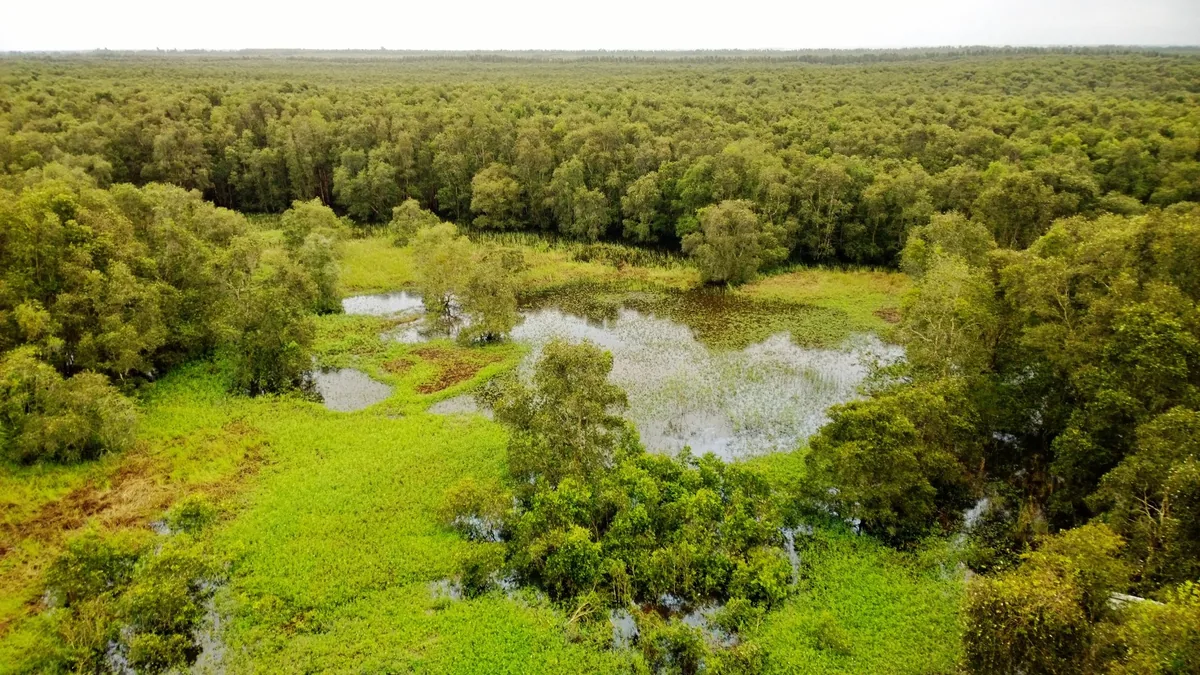
Water runs along much of the edge of the country: the Gulf of Thailand, the South China Sea and the Gulf of Tonkin. Its northern neighbour on land is the People's Republic of China, with Laos and Cambodia lying to the west. Farmland covers most of the territory, with tropical rainforest through the middle. Vietnam measures 1,650km from top to bottom and narrows to a mere 50km at its thinnest.
No month here is truly the wrong one. While one part of the country is soaked, chilled or baking, another is dry and pleasant. That is what 1,650km of latitude will do, along with terrain that climbs from the shoreline to the mountains.
In the south the rains fall between May and November, heaviest from June to August, with the dry stretch running December to April. Wet season means sticky air and a hard shower most afternoons; humidity through June and July sits at 75% to 85%. March, April and May are the hot ones, comfortably above 30 degrees Celsius.
Along the central coast this reverses: dry between May and October, then wet once December arrives and through to February. Up in the highlands it is markedly cooler than on the plains, dropping to freezing in the cold months. Northern winters are damp and chilly from November to April, summers hot from May to October, with December and January the sharpest, occasionally down to 8 degrees Celsius. Sapa can reach 0 degrees Celsius, and snow falls there from time to time.
Typhoons are possible from July to November, mostly along the northern and central coast.
Three great systems of thought sit at the base of religious life here: Confucianism, Taoism and Buddhism. They live alongside older practices that have never faded, the cult of the mother goddesses, veneration of ancestors, folk belief, superstition and the animism native to the country. The blend is fine-grained and carefully balanced. It shapes the spiritual life of most people, who will describe themselves as Buddhist; it supplies the Taoist reading of how the universe is put together; and it sets out obligation within the family and the community, which is Confucianism's territory.
Labels are slippery in practice, but the usual figures put the population at roughly 70% Buddhist and 10% Catholic, with 3% Cao Daist and 2% Hoa Hao, and the remainder spread across Protestantism, Islam and Hinduism, plus the particular beliefs held by various ethnic minority groups. On the question of what a visitor believes, few societies anywhere are as relaxed. Most Vietnamese are simply unconcerned with your faith, and they have no interest at all in bringing you round to theirs.
Vietnam is its own thing, distinct from every neighbour, China included. Vietnamese people tend to consider themselves unusual, and the evidence is on their side. Accept that you arrive as a guest and will remain one for the whole trip. That brings a certain standing, and duties along with it. Read up on the culture before you fly, and make room for the differences you are going to meet.
Any effort you make to understand the people, their customs and their language will be noticed and valued. Anyone who enjoys being knocked off balance by an unfamiliar place will do well here.
Bear in mind that social, political and commercial life is viewed through a different lens, one shaped almost everywhere by the model of the extended family. It is hard to overstate how much family counts, or how deeply that pattern runs through every layer of society and every professional structure. If people you have only just met start asking about your private affairs, take it well; they are drawing you into the group. Family obligations outrank everything, and one that appears without warning will displace an appointment already in the diary. Judging what you have not yet understood gets you nowhere. Respect is the word that matters.
Offer respect and you will have it returned, as most Vietnamese offer it to each other. Never let your temper go: it reads first as a failure of self-command and then as an insult to the person opposite you. That said, courteous as people generally are, some habits may strike you as rude. Queuing, for instance, is a lost cause; tidy lines do not form. Nor should personal remarks bother you. Expect to be asked how old you are, where you are heading, and why you turned up late.