Small Group Journeys
Highlights
Tour Details
Itinerary
Day 1: Arrival in Hanoi
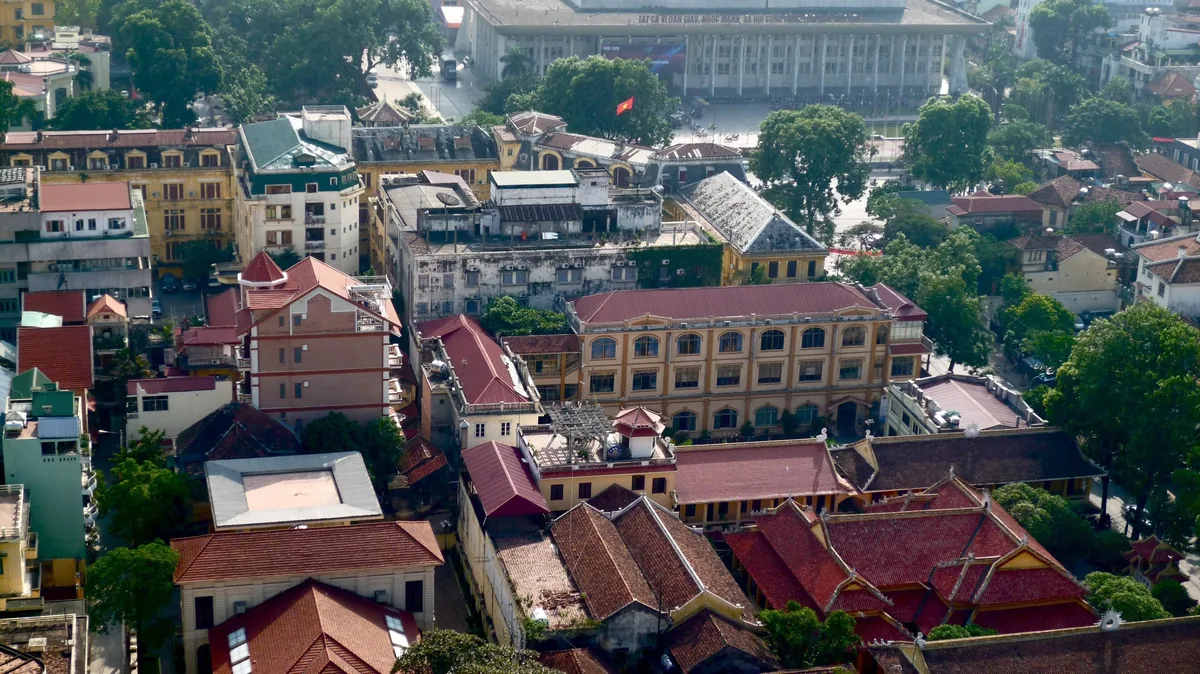
Met at Noi Bai and driven into the city, forty minutes or so. Nothing is scheduled. The Old Quarter streets are still named for the trades that once held them — Hang Bac for silver, Hang Ma for paper goods — and an hour spent walking them is the quickest way to get your bearings. We meet as a group for a briefing and dinner in the evening.
Day 2: Hanoi
On foot for most of the day. The Temple of Literature, founded in 1070 as Vietnam’s first university, then the mausoleum quarter and the stilt house behind it, and the Museum of Ethnology out in Cau Giay, which is the single best explanation of who lives in the uplands you will pass later. Late afternoon around Hoan Kiem lake. Evening free, and there is a water puppet theatre by the water if you want it.
Day 3: Ninh Binh, and the night train south
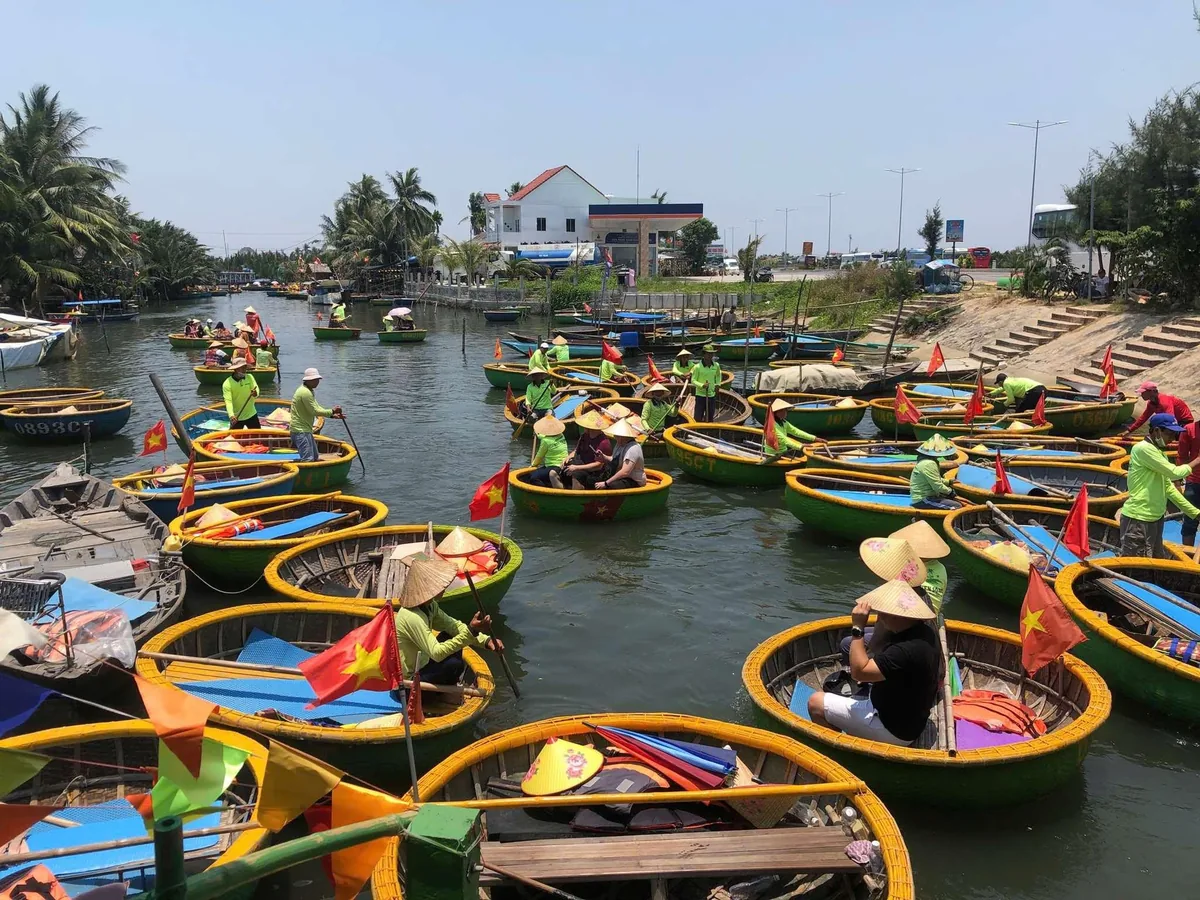
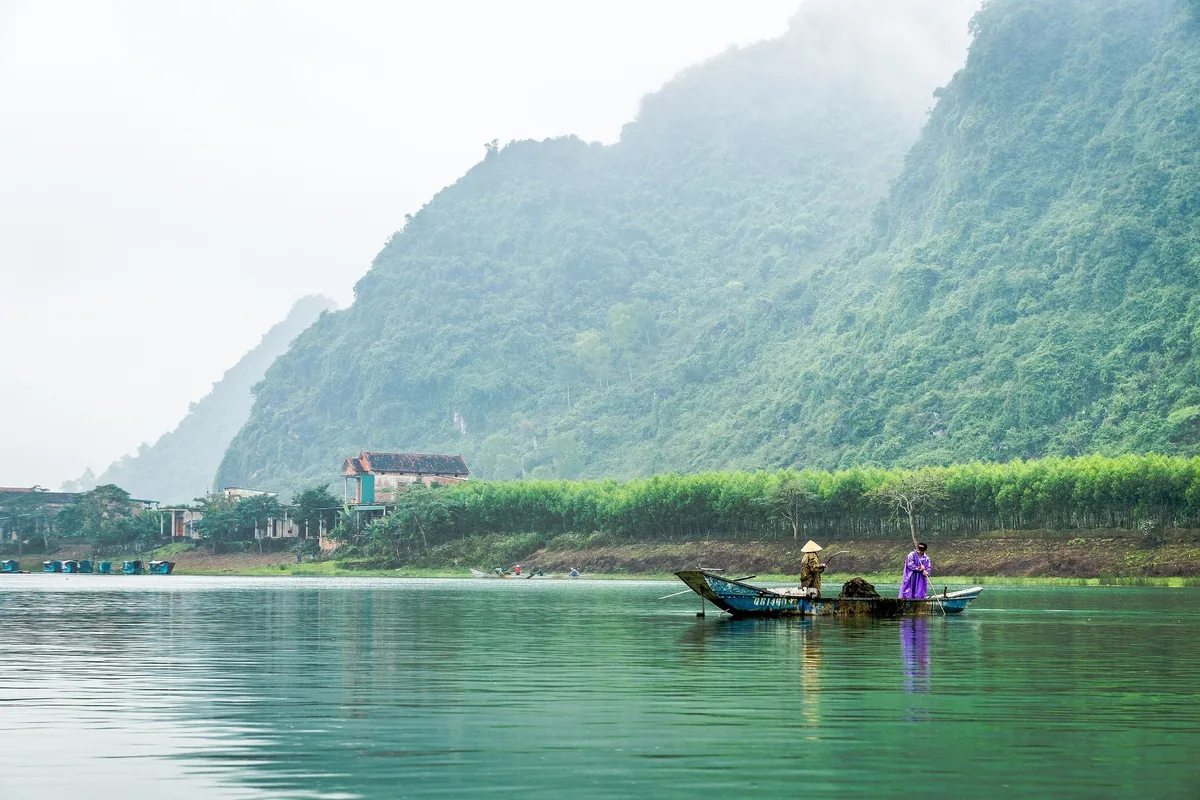
Two hours south to the limestone country the guidebooks call the dry Ha Long Bay. We take a rowing boat through the caves at Trang An or Tam Coc, depending on water levels, then climb the five hundred steps at Hang Mua for the view down the valley. Back to Hanoi in the evening, and aboard the southbound sleeper — four-berth air-conditioned compartments, bedding provided, departure shortly before eight.
Day 4: Hue
The train reaches Hue in the morning after a run down the coast that road traffic never sees. After breakfast and a rest, the Imperial City: a walled citadel begun in 1804, badly damaged in the fighting of 1968, and rebuilt slowly since. In the afternoon a boat up the Perfume River to Thien Mu pagoda, whose seven-storey tower is the emblem of the city. Dinner together.
Day 5: The tombs, and a market morning
Out to the royal tombs south of the city — Minh Mang, laid out along a formal axis in the Chinese manner, and Khai Dinh, a concrete and porcelain hybrid from the 1920s that looks like nothing else in Vietnam. Back into town for the Dong Ba market and an afternoon at your own pace. Hue food is regional and precise; we will point you at the bun bo Hue that locals queue for.
Day 6: Over the border to Savannakhet
An early departure west along Route 9 through Dong Ha and the old demilitarised zone to Lao Bao. You walk across the frontier yourself, passport in hand. Lao Bao is the only Vietnam land crossing that still issues a Lao tourist visa on arrival, and our leader handles the paperwork with you — bring a passport photo and US dollars in cash. On to Savannakhet on the Mekong, arriving late afternoon.
Day 7: Savannakhet, and north to Thakhek
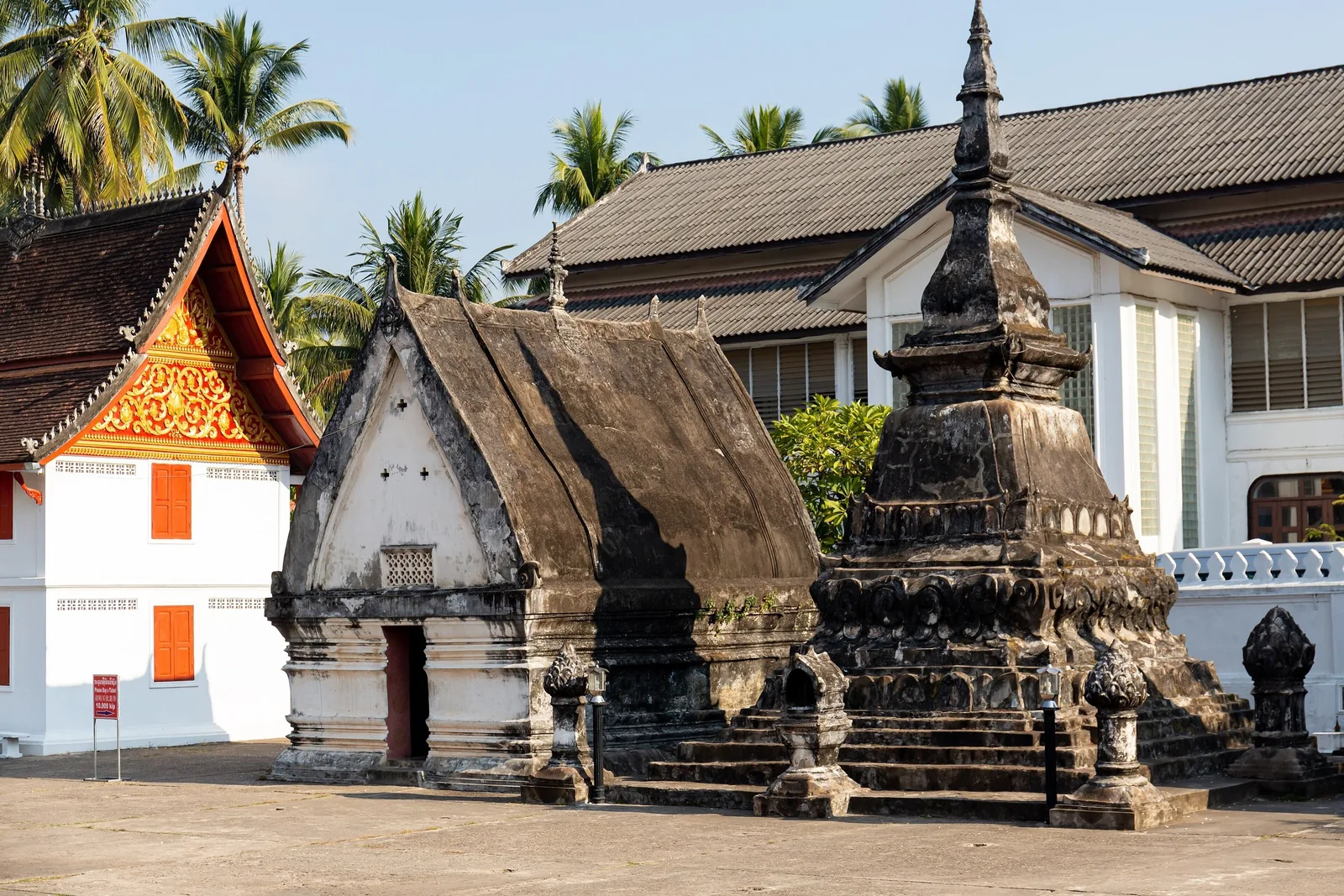
A slow morning in the old quarter, where the French shopfronts around Talat Yen square have been left standing and mostly unrestored, and at That Ing Hang, a sixteenth-century stupa outside town that is still a working pilgrimage site. After lunch we drive two and a half hours north to Thakhek, another Mekong river town with Thailand visible on the far bank. Dinner by the water.
Day 8: The limestone loop, and on to Vientiane
A short run east into the karst on the first stretch of the Thakhek loop — the Buddha Cave and the spring-fed pool at Tha Falang, both under cliffs several hundred metres high. Then four to five hours north on Route 13 to Vientiane, with a stop for lunch. We arrive with enough of the afternoon left for Patuxai and a walk down the riverfront to the night market.
Day 9: Vientiane
Pha That Luang, the gilded stupa that appears on the national seal, and Haw Phra Kaew, which held the Emerald Buddha until the Siamese took it in 1779. The COPE visitor centre follows, on unexploded ordnance and the prosthetics programme that deals with its consequences — sober, well made, and worth the hour. In the afternoon, Buddha Park downriver, a concrete sculpture garden built by a mystic in 1958.
Day 10: The railway to Luang Prabang
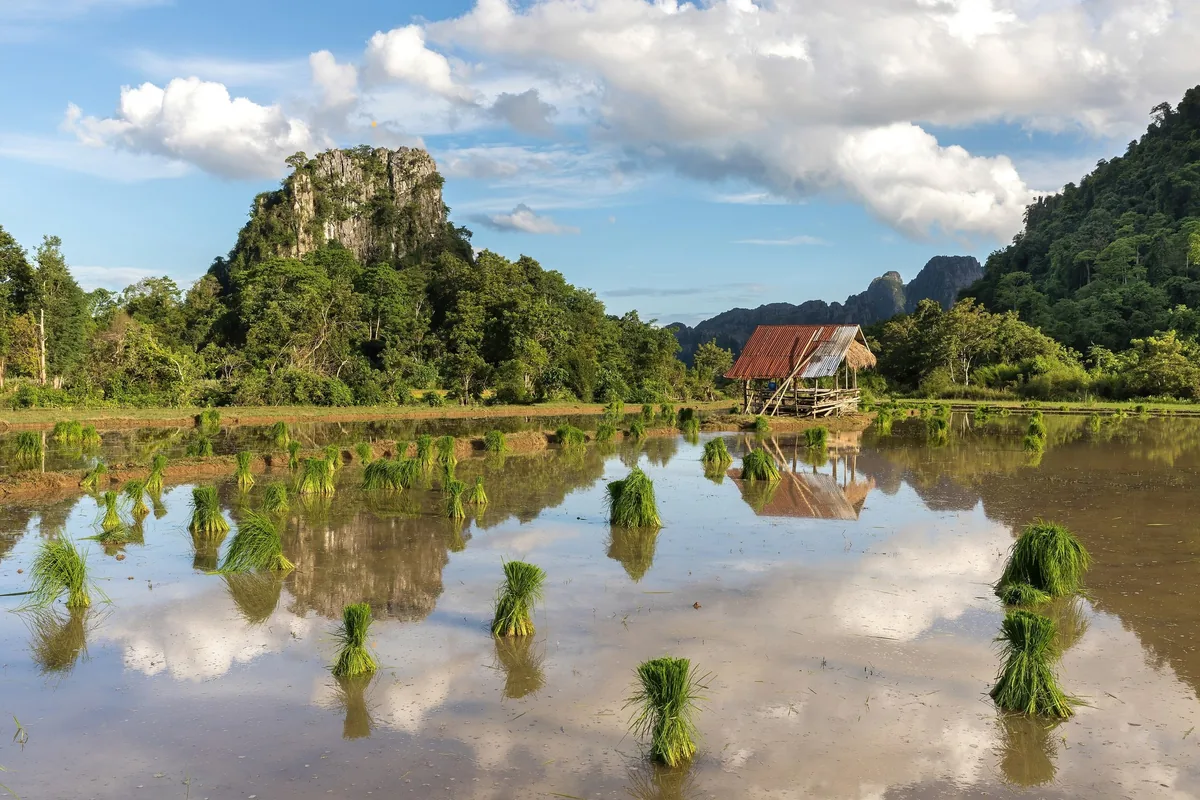
To Vientiane’s Khamsavath station for the Laos–China Railway service north. What used to be a full day of switchbacks on Route 13 is now under two hours through a chain of tunnels and viaducts, with Vang Vieng’s karst going past the window in the middle. We are in Luang Prabang by early afternoon. Check in, then climb Phousi hill for sunset over the confluence of the Mekong and the Nam Khan.
Day 11: Luang Prabang
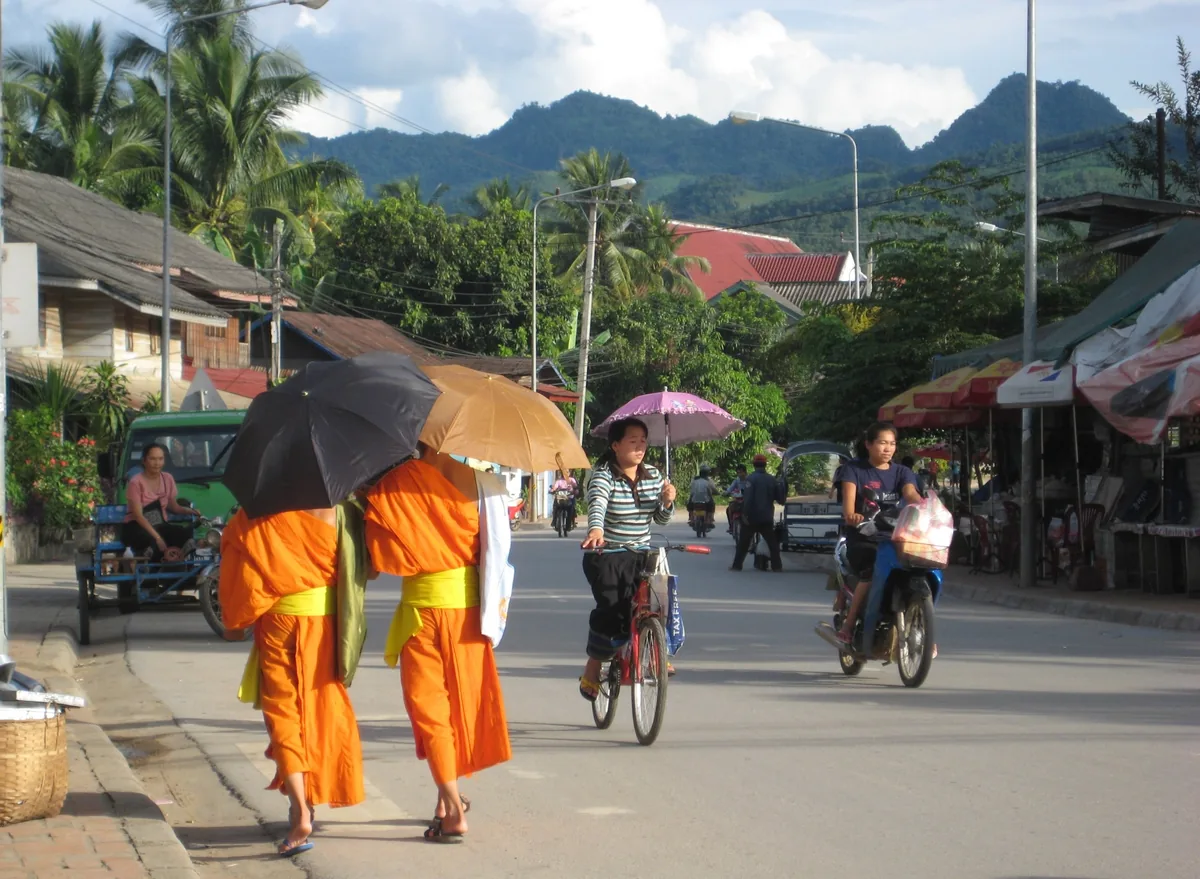
If you want to see the dawn alms round, be on the street before six and stay back from it; your guide will explain the etiquette. Then the Royal Palace Museum, Wat Xieng Thong with its sweeping roofline from 1560, and the traditional arts centre. After lunch we drive out to the Kuang Si falls, a series of turquoise limestone pools you can swim in. Farewell dinner in town.
Day 12: Departure
What´s included
- 11 nights in described hotels or similar, plus one night on the train
- Daily breakfast and 4 dinners
- Overnight sleeper Hanoi to Hue, four-berth air-conditioned soft sleeper
- Laos–China Railway ticket Vientiane to Luang Prabang, second class
- All road transport in air-conditioned vehicles, including the border transfer at Lao Bao
- Rowing boat at Trang An or Tam Coc, and the Perfume River boat at Hue
- All entrance fees listed in the itinerary
- English-speaking tour leader from Hanoi to Luang Prabang, with local guides in Hue, Savannakhet and Luang Prabang
- Assistance with the Lao visa formalities at the border
- Arrival and departure transfers, and all tipping
Excluded
- International flights into Hanoi and out of Luang Prabang
- Vietnamese e-visa, which you apply for online before travel and which must name Lao Bao as your exit point
- Lao tourist visa fee, payable in US dollars in cash at Dansavanh on Day 6 — the Lao eVisa is not accepted at any land crossing from Vietnam, and the other Vietnam borders require a visa obtained from an embassy in advance
- Travel insurance, which is a condition of joining the group
- Lunches, and any meal not listed above
- Drinks, laundry and other personal expenses
- Optional activities during free time
Other journeys you may like