Small Group Journeys
Highlights
Tour Details
Itinerary
Day 1: Arrival to Hanoi
You are met at arrivals and driven in to the hotel. Later that evening the group comes together over a welcome drink, and your Tour Leader sets out how the next ten days will actually run.
Day 2: Hanoi
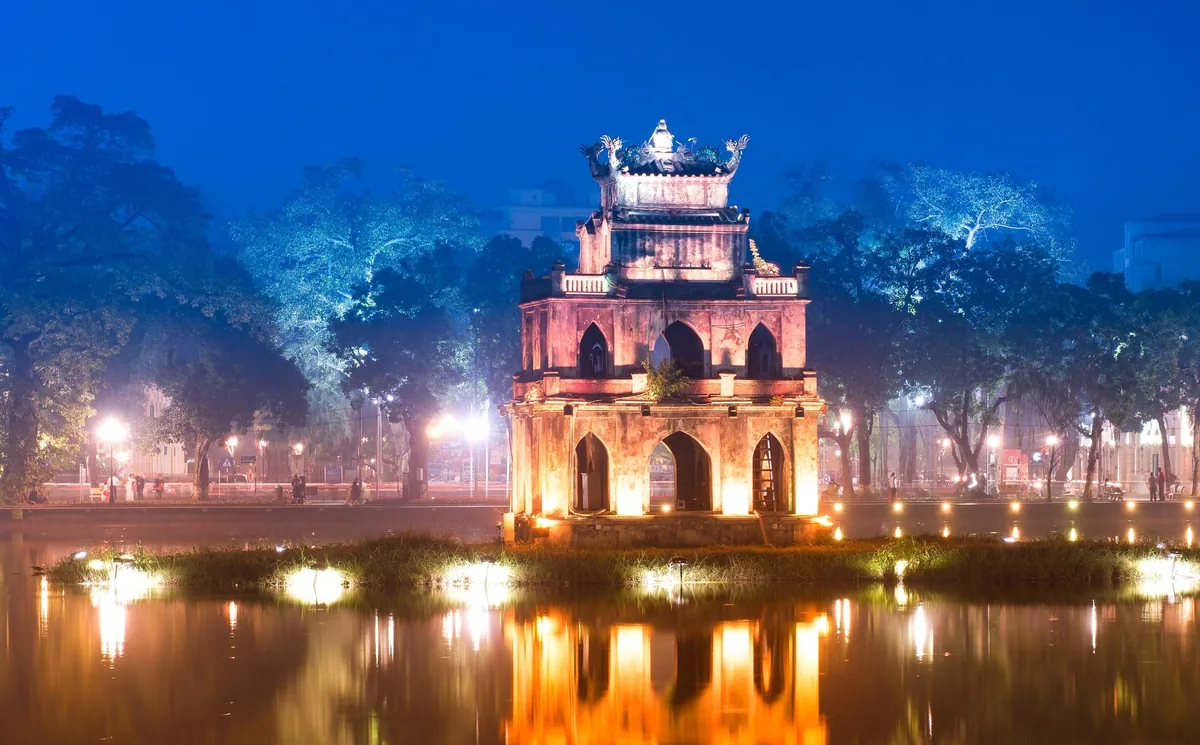
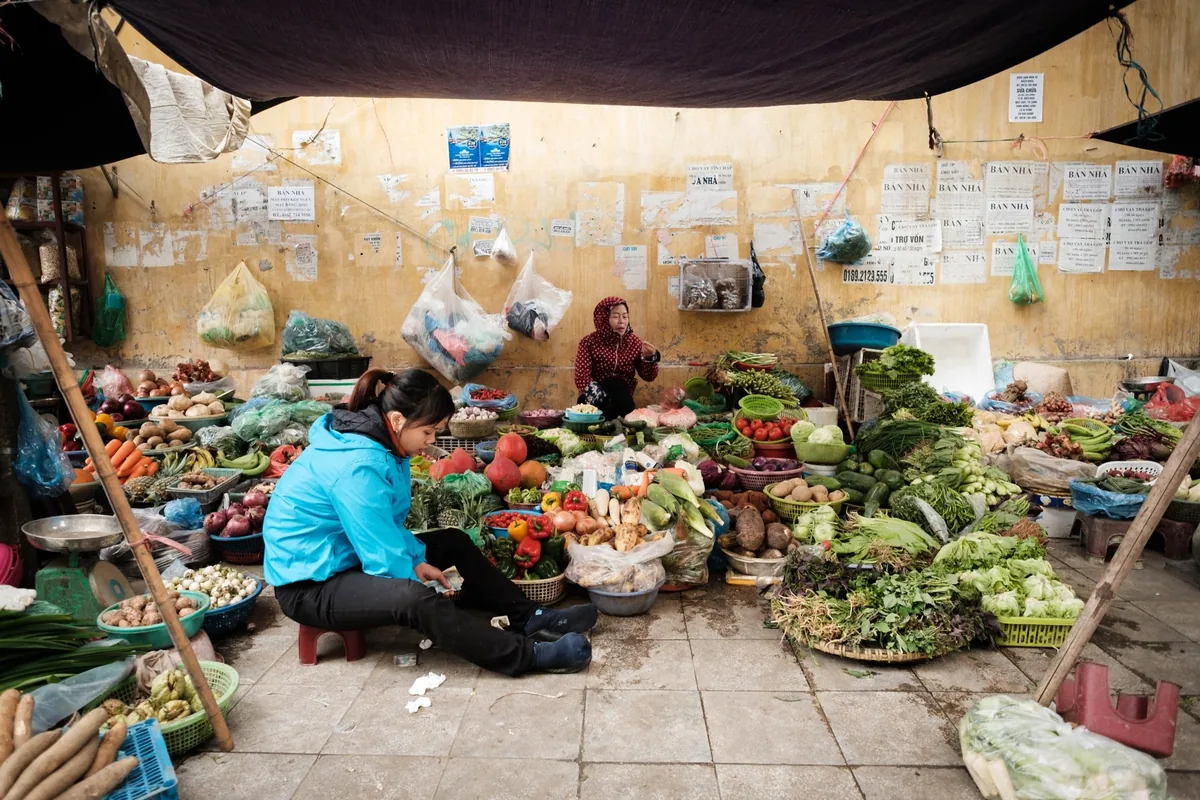
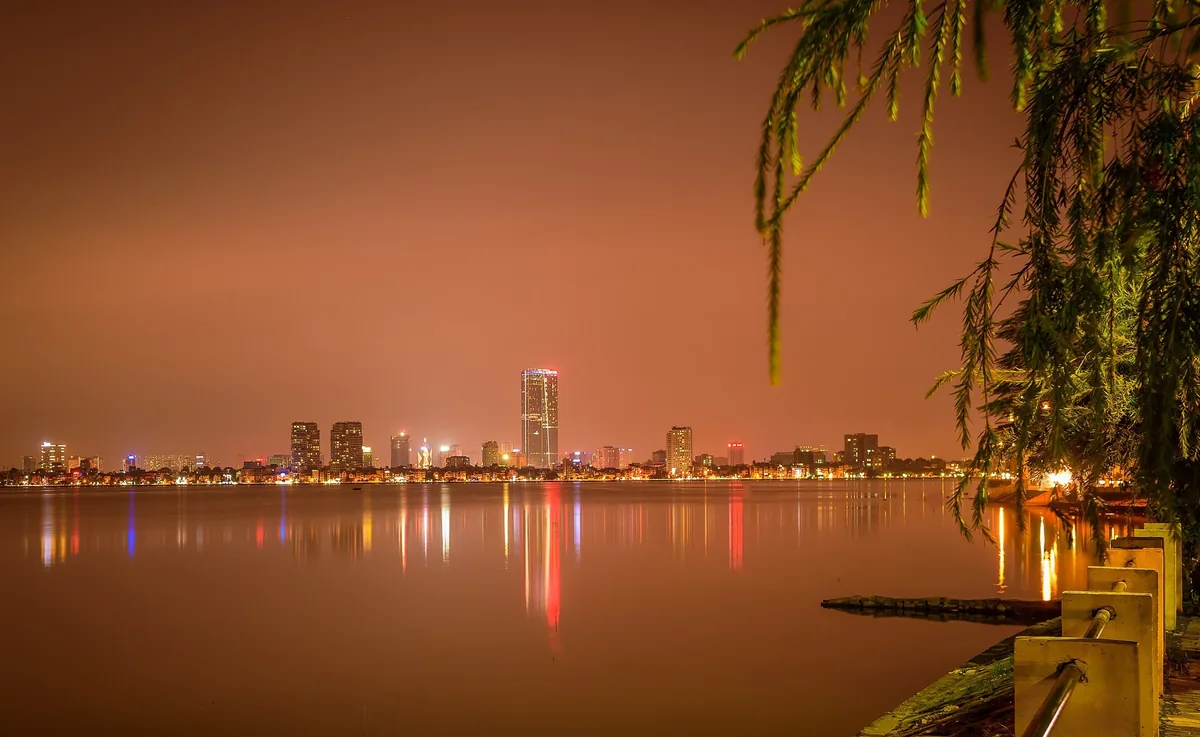
The day belongs to Hanoi. You pass Long Bien Bridge, St Joseph’s Church and the Opera House by car, then continue on foot into the Old Quarter, the 36 streets where traders still work the markets much as they always have. Next comes the Ho Chi Minh Quarter, laid out around the man Vietnamese call Uncle Ho: his mausoleum, the Presidential Palace, the stilt house he lived in and the One Pillar Pagoda. A short drive after that reaches the Citadel and Flag Tower, listed by UNESCO in 2010. Lunch is at KOTO, after which you visit the Temple of Literature, founded as the country’s first university and now a place of Confucian worship. The Women’s Museum follows, a clear-eyed look at how Vietnamese women live and what they carry. Tran Quoc and Ngoc Son temples come next, then the jail American pilots knew as the Hanoi Hilton, kept today as a small museum, before the drive back to your hotel.
Please note: the Mausoleum admits no one on Mondays or Fridays, and on Mondays the Citadel and the museum devoted to Ho Chi Minh are shut as well. The Presidential Palace is viewed from outside only. Maintenance takes the Mausoleum out of service once a year, generally starting in September and lasting 2 to 3 months; while that work goes on you can still see the building from the grounds, and the rest of the complex around it carries on as normal.
Day 3: Hanoi to Ninh Binh
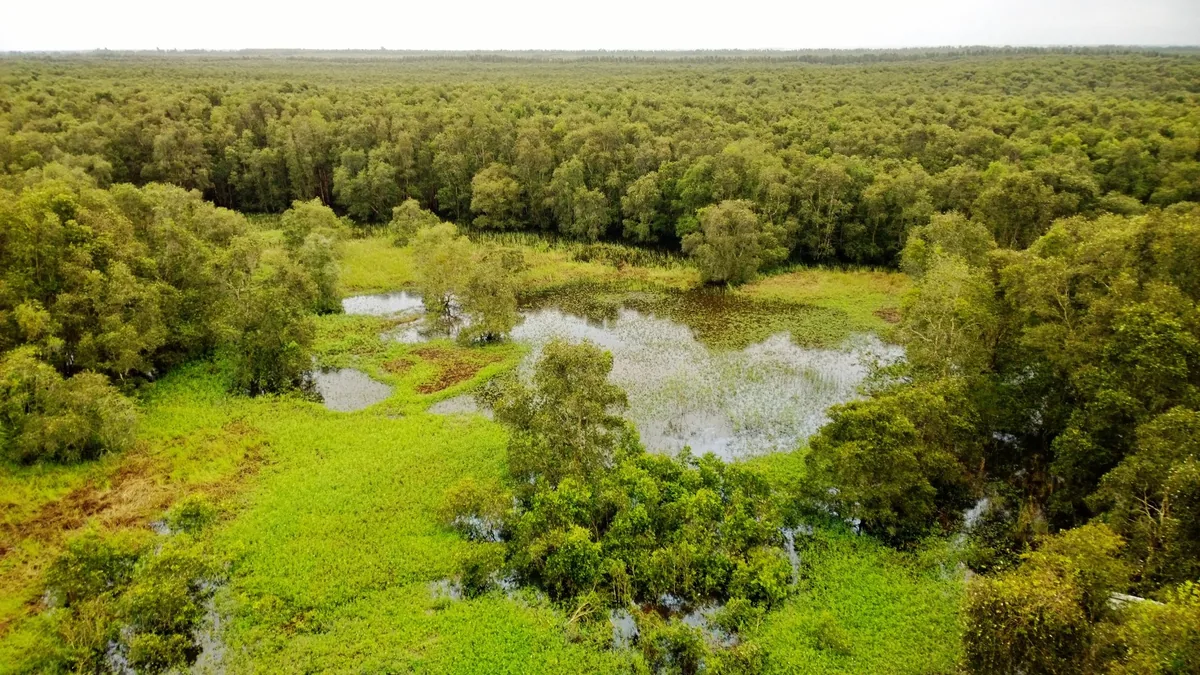
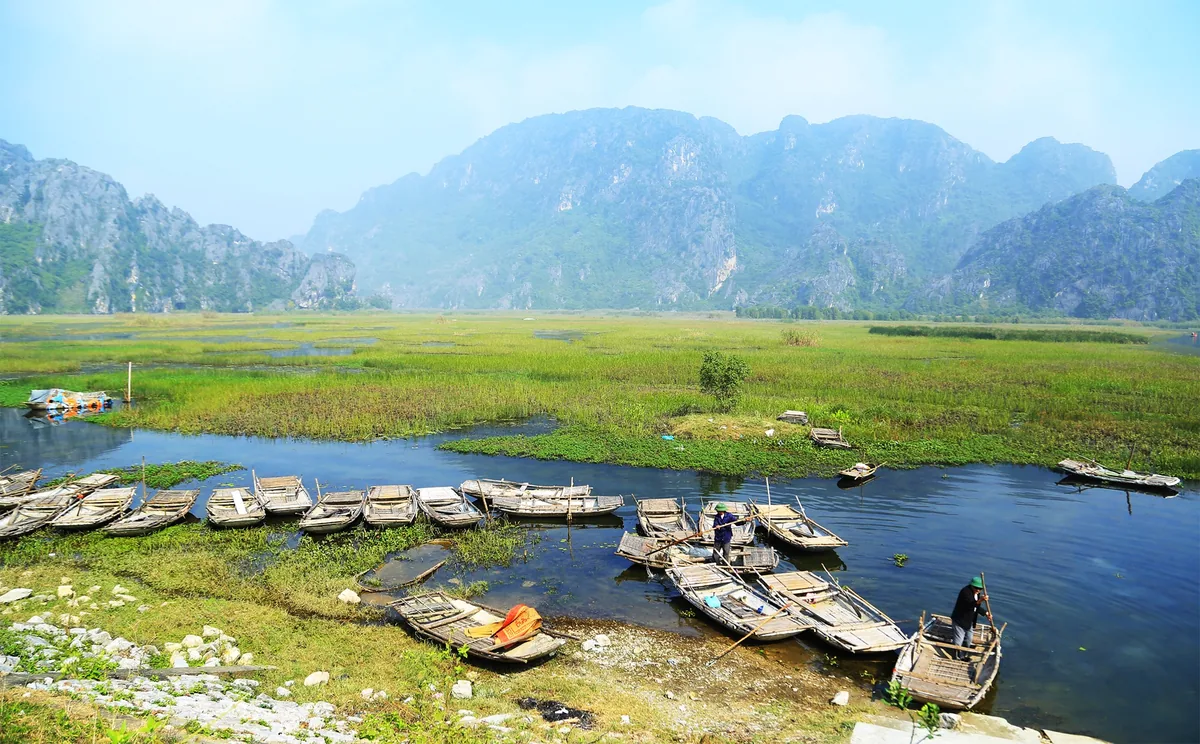
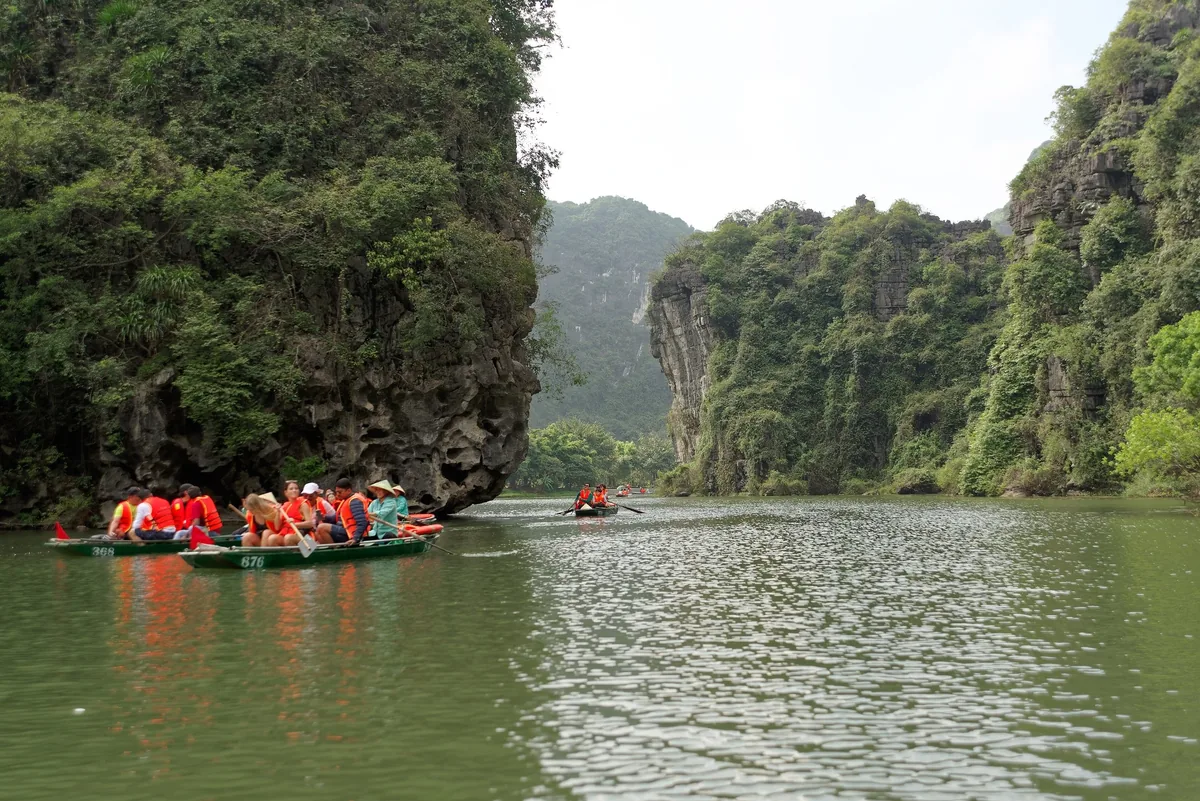
The morning starts with a drive of about 90kms south to Hoa Lu, capital of the country during the 10th century. The shrine to the emperor Dinh Tien Hoang, founder of the Dinh Dynasty, stands here, and beside it a temple to the Le Emperor; once the Le had fallen, government moved north to Thang Long, which is Hanoi today. Lunch is not included. Trang An Landscape Complex comes after it — limestone peaks and valleys running into one another, much of the ground flooded and hemmed in by cliffs that go up almost vertically. Its caves carry evidence of unbroken human occupation going back more than 30,000 years. UNESCO added the site to the world heritage list in 2014, and you cross it in a small rowing boat. The night is spent at Ninh Binh.
Day 4: Ninh Binh to Halong Bay
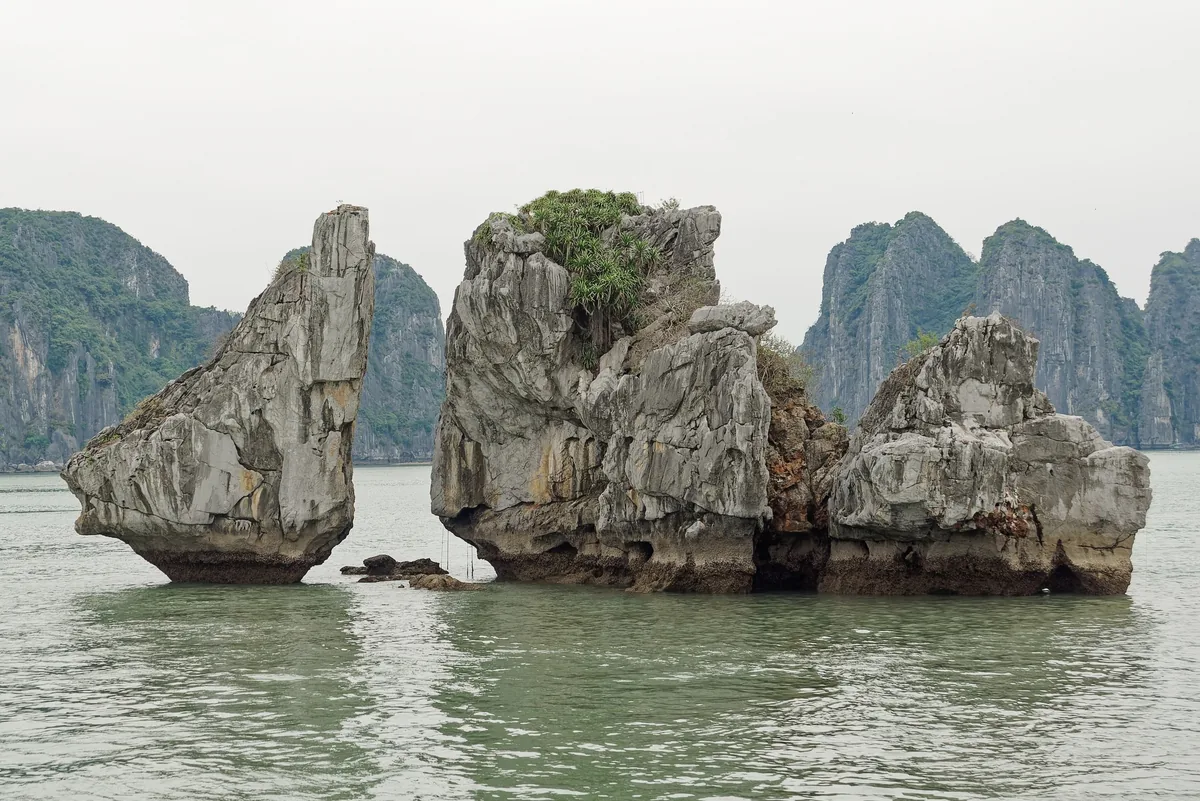
Halong City, where the cruise boats tie up, is a drive through paddy fields with limestone towers standing out of them. Some 3,000 karsts fill the bay, which is reckoned one of the finest landscapes Vietnam has. You board a well-equipped junk and head out across the jade water; a substantial lunch is served, and the boat later stops in quieter inlets so you can go ashore and look. In the evening take your cabin, the deck, or a stool at the bar.
Day 5: Halong Bay to Hue
Tai Chi is on offer up on the sundeck for anyone awake early; otherwise stay where you are and watch the last of the bay go past until the buffet brunch. Back on dry land, the road runs to Hanoi and a flight down to Hue, seat of the old emperors, on the banks of the Perfume River.
Day 6: Hue to Hoi An
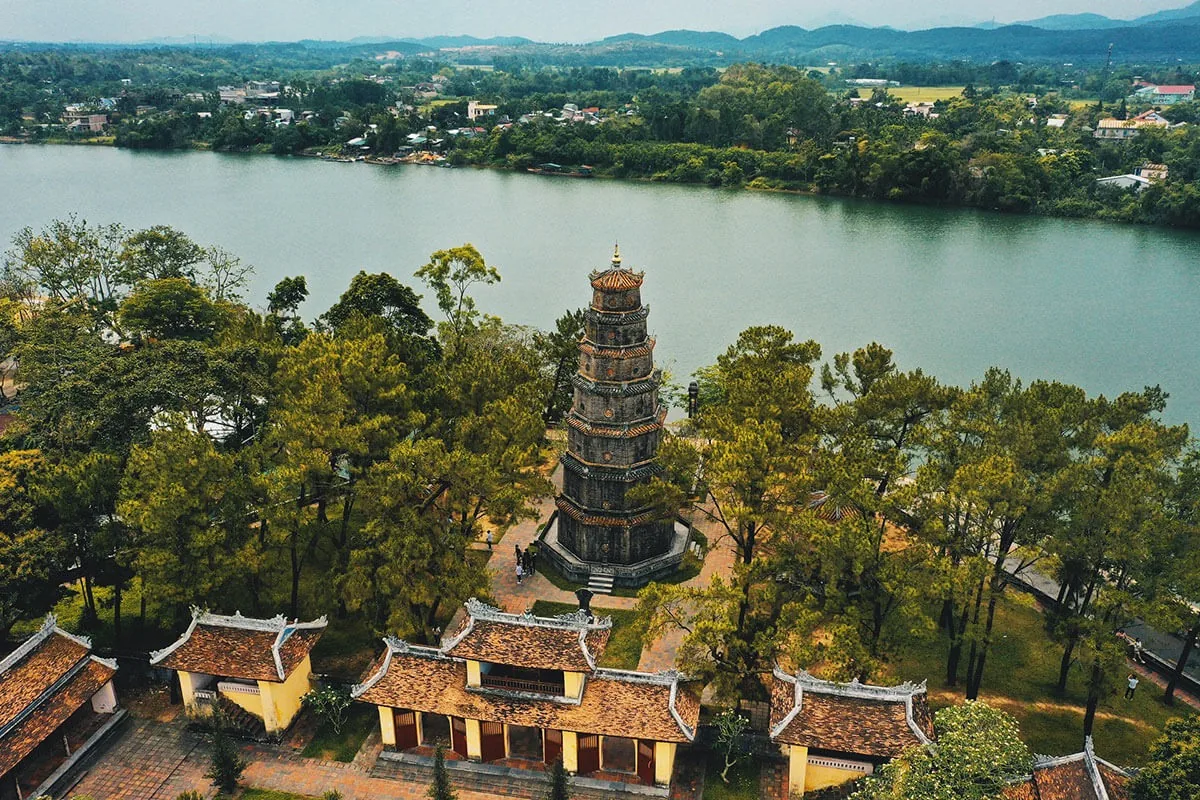
Half a day goes to Hue, which the emperors of Vietnam ruled from. Tu Duc’s tomb opens it — he was the fourth of the Nguyen line — its lakes and frangipani laid out as he wanted them. Then Bunker Hill, set well above the Perfume River, with the plain stretching west to the mountains, and a brief stop at the Tiger Arena at Ho Quyen. The Citadel is next, where the Nguyen emperors lived, on the UNESCO list since 1993; the Tet Offensive in 1968 destroyed a great deal of it, and restoration has not finished. A short drive brings the morning to a close at Thien Mu Pagoda, which is both the oldest in Hue and the finest. Lunch is not included. From there the Hai Van Pass carries you over towards Hoi An — the divide between north and south, on the map and in people’s heads, its top under cloud on most days. You check in when you arrive, and the evening in Hoi An is yours.
Day 7: Hoi An
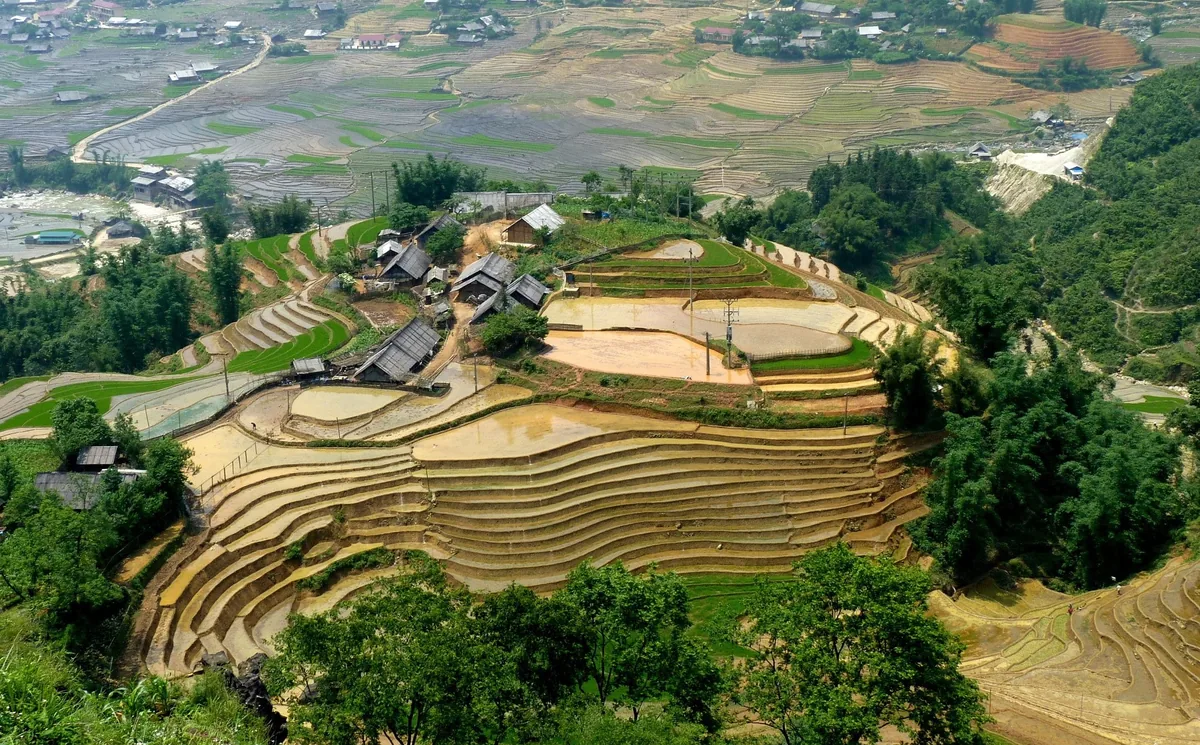
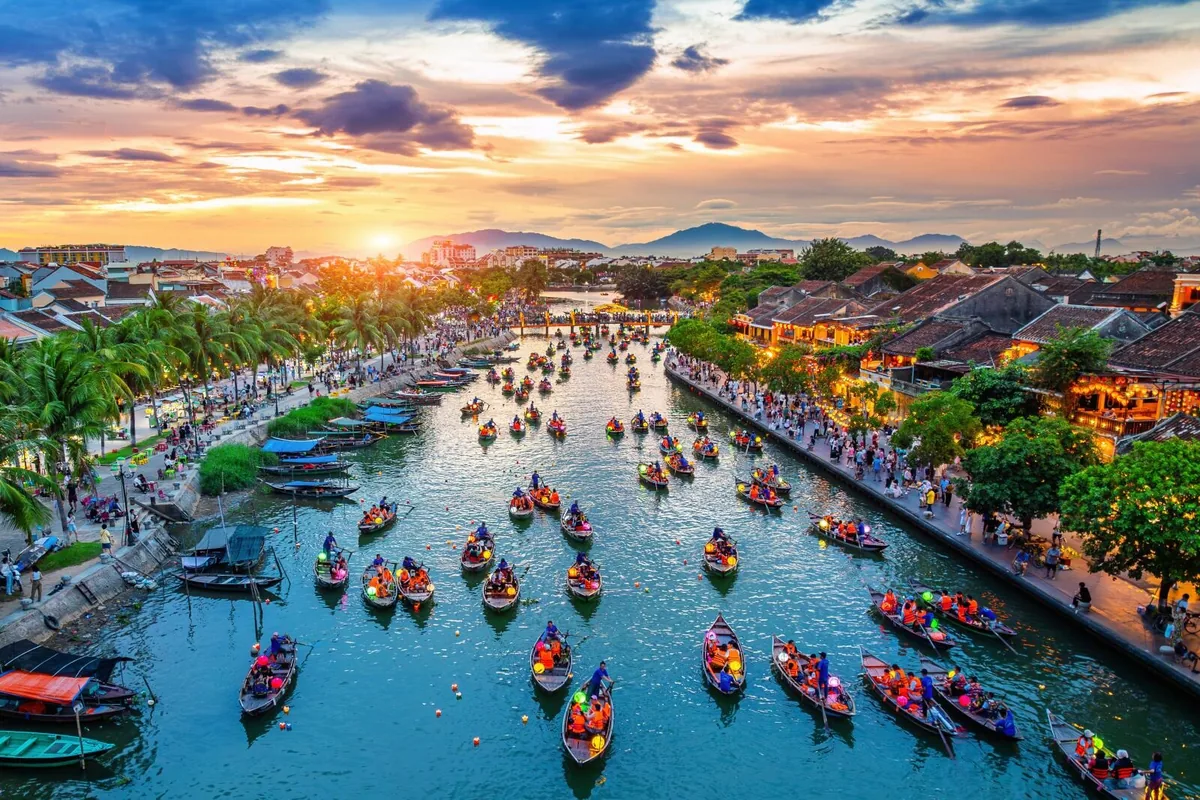
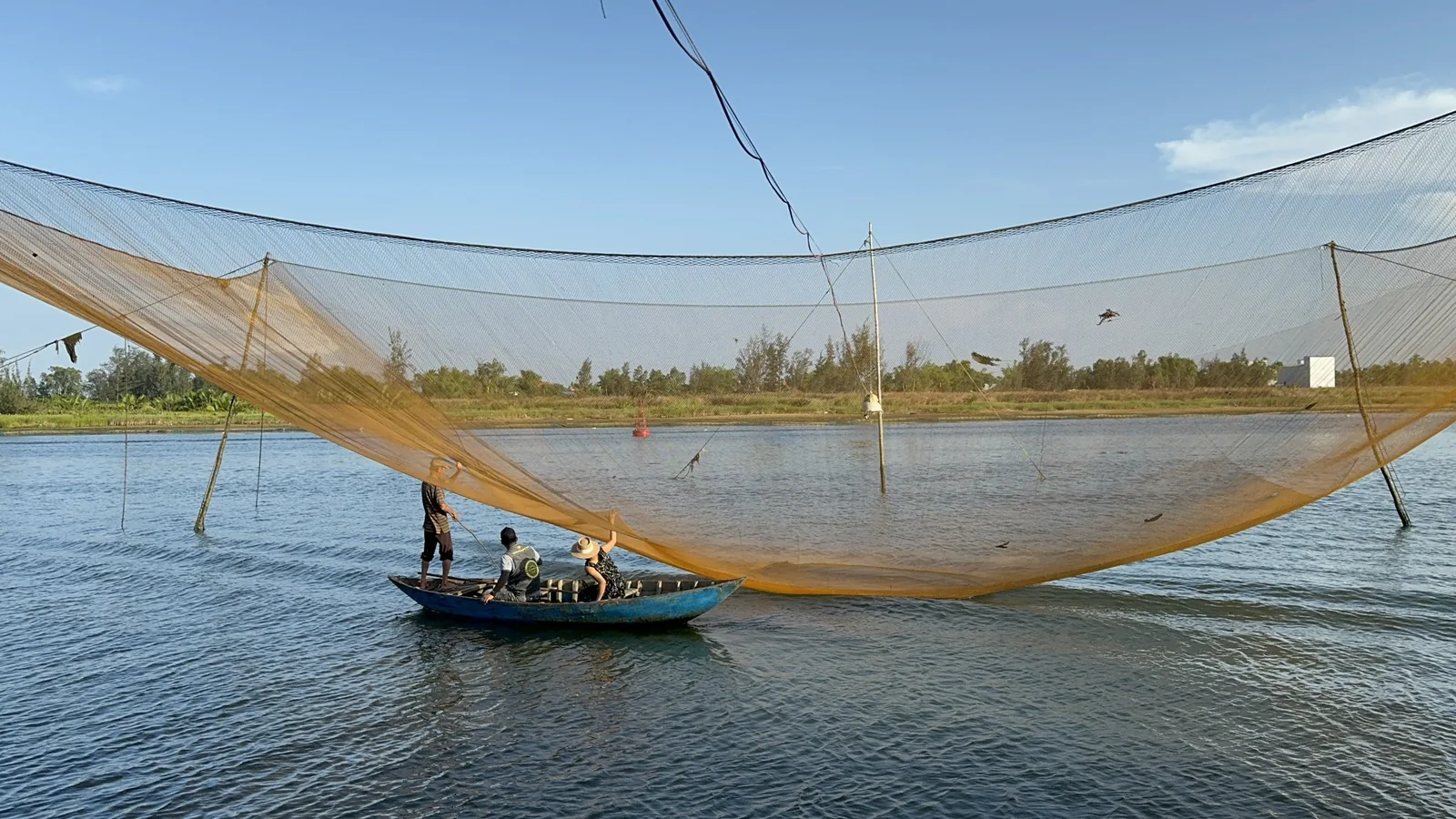
An early start, on bicycles, for Cam Kim Island: about 13km of narrow surfaced lanes crossing the middle of it, with rice and corn on either side and small hamlets in between. Kim Bong, the carpentry village, is where you stop first — its joiners have supplied boats, wooden houses and furniture to the old town for generations, and some of that work has stood since the 18th century. One family here turns out noodles and rice paper; you watch them do it. Then Tra Nhieu, which lives by fishing, where a household talks about their days and what matters to them, and you can try casting a net — shrimp, crab, fish, whatever comes up. The return is by boat, roughly an hour of water between there and Hoi An. On foot after lunch through the Old Town, which UNESCO has listed. This was the busiest port in Vietnam in its day, and several centuries on, most of the fabric is still standing. Merchants from China, Japan, Portugal, Britain and France all left something in the architecture. Alexandre de Rhodes, the French Jesuit, worked in these parts and did more than anyone to shape the Roman script Vietnamese is written in today. The walk takes you inside a merchant family’s house, on to Chau Ong pagoda and one of the Chinese assembly halls, past the Japanese Covered Bridge, into the Hoi An Museum, and finishes in the Ancient Town, where the remaining time is yours.
Day 8: Hoi An to Saigon
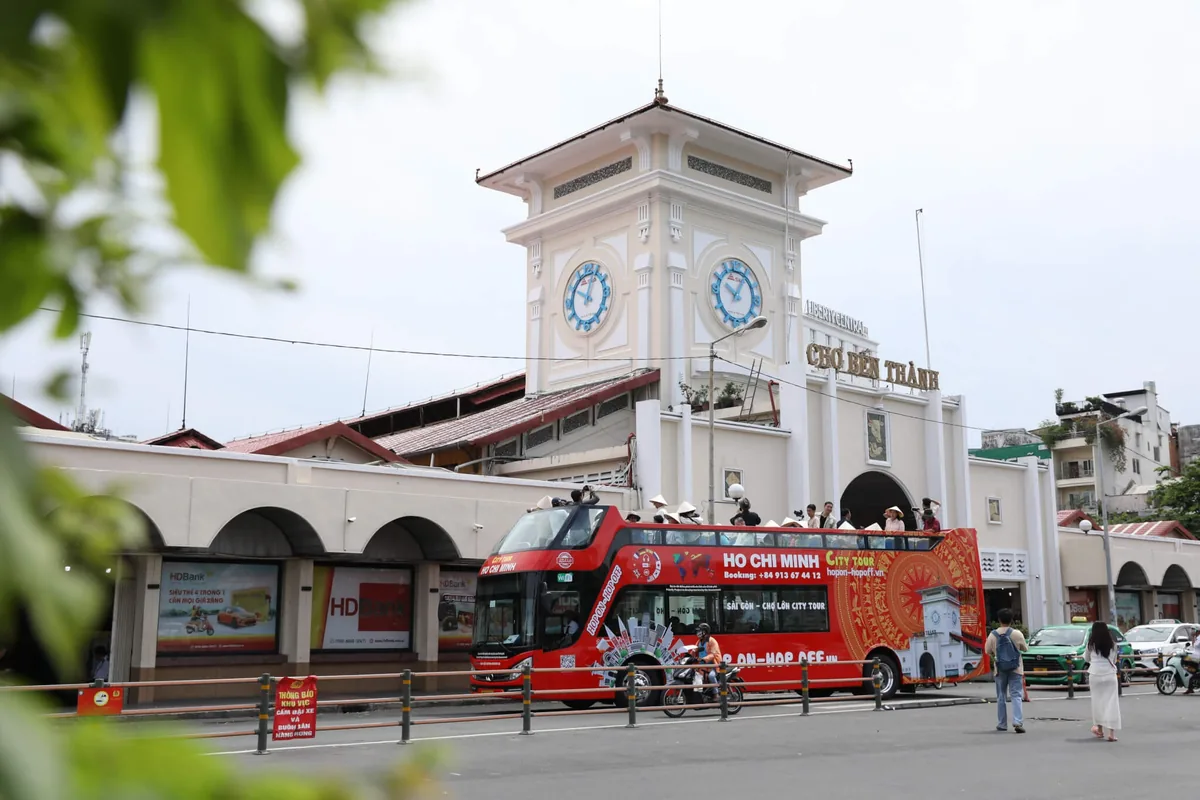
Danang first by road, then the flight down to Saigon, which does the country’s business. You go straight from the airport out to the Cu Chi Tunnels. Guides there set out how the network dug under these fields worked through the Vietnam War. Much of it is now laid out above ground, but anyone who wants to can go down and find out what it felt like. The remainder of the day belongs to you and to the city’s racket.
Day 9: Saigon to Can Tho
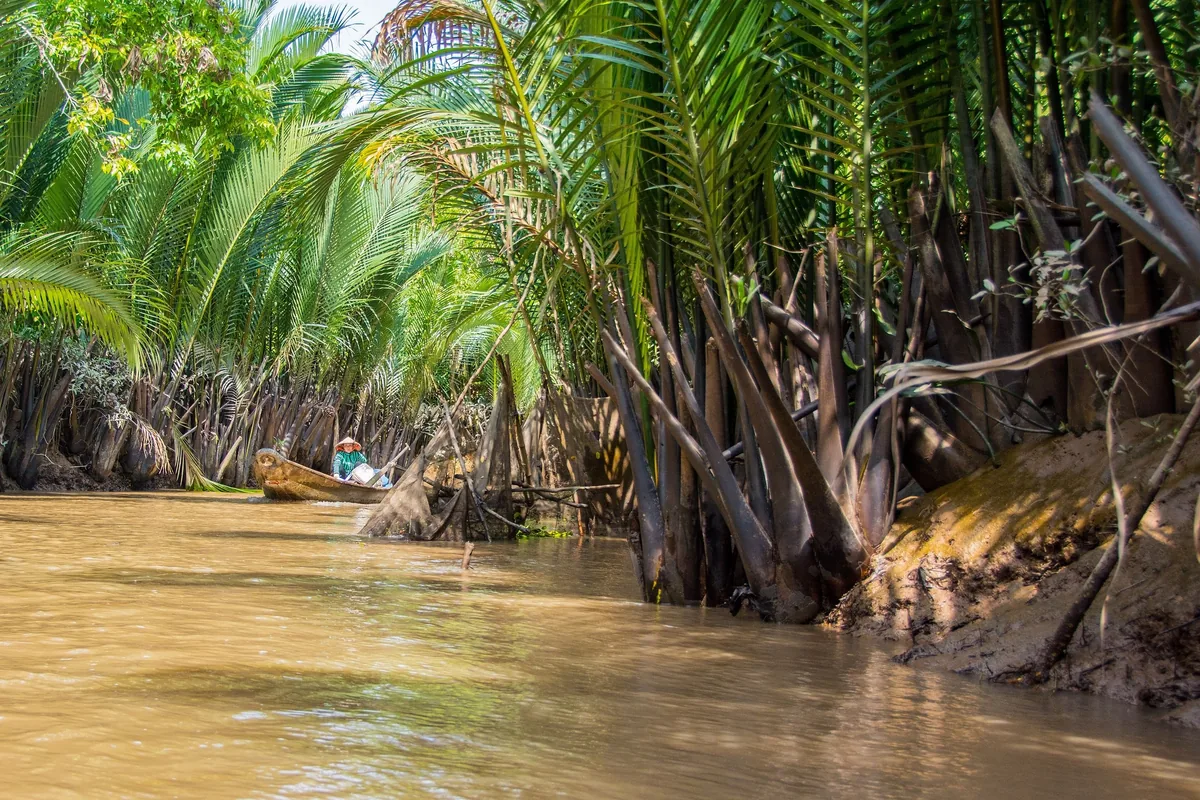
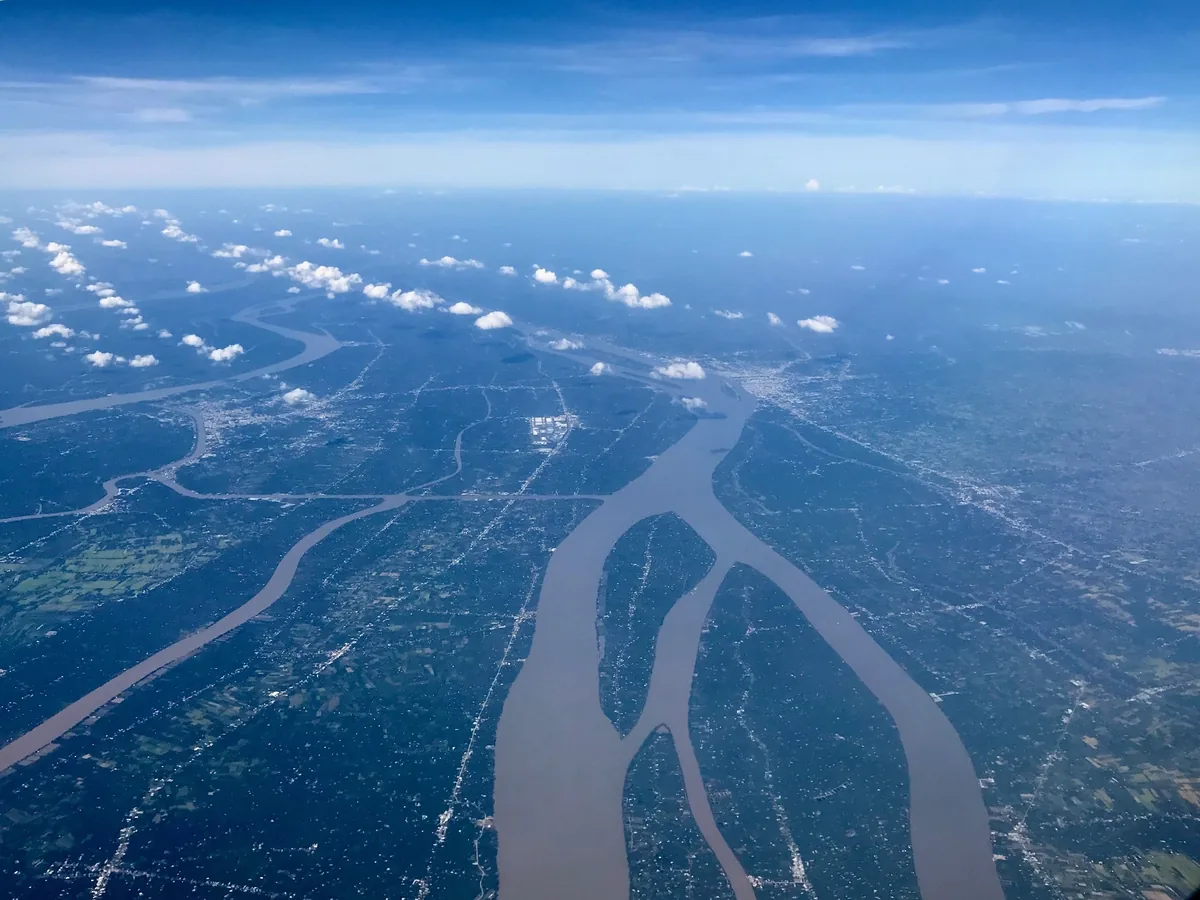
An early departure for Cai Be, some two hours out of Saigon and properly inside the Mekong Delta, the country turning green and the pace dropping as you go. A boat built of timber is tied up at the pier. The old floating market at Cai Be no longer trades — the last of the sellers went when work started on the bridge at that spot — so the morning goes instead to the water itself: side channels barely wider than the boat, orchards running down to the bank, and fruit picked here eaten in the shade. You step ashore in town to look through the workshops and small factories — rice paper, coconut sweets, popped rice — before a sampan takes over for the narrow canals, which no one hurries. Lunch is cooked in an old house and eaten there, delta dishes on the table. The boat then works upstream towards Vinh Long, with ordinary river life going on either side, and pulls in at a brickworks and pottery yard, then again at a fish farm moored in the river. A car meets you back on the road for the last leg to Can Tho, and the night there.
Day 10: Can Tho to Saigon
Can Tho sits where three rivers come together, a university town well inside the delta. The land was Khmer once, and many Khmer families remain. Another early morning: the boats at Cai Rang are trading from first light and thinning out by about 0730, so you want to be on the water before then. A small craft works through the channels between wholesalers who have come downriver from the farms with produce stacked on deck. Fewer boats trade there now than once did, but it is still a working market. Saigon is reached by mid-afternoon, the hotel taken, and the group sits down together in the evening for a farewell dinner.
Day 11: Departure from Saigon
What´s included
- 9 nights in described hotels or similar
- One night aboard the boat
- Breakfast every morning
- 4 Lunches and 2 Dinners
- Road transport in air-conditioned vehicles
- Sightseeing in a group capped at sixteen
- Every entrance fee named in the itinerary
- An English-speaking tour leader throughout
- Tipping for guides, drivers and hotel staff, settled by us
- Transfers on arrival and on the day you fly home
Excluded
- Anything personal you spend along the way
- Entry requirements and any visa costs
- Porterage at hotels and airports
- Travel insurance, and the drinks, laundry, calls and mini-bar you settle yourself
Other journeys you may like