Small Group Journeys
Highlights
Tour Details
Itinerary
Day 1: Arrival in Bangkok
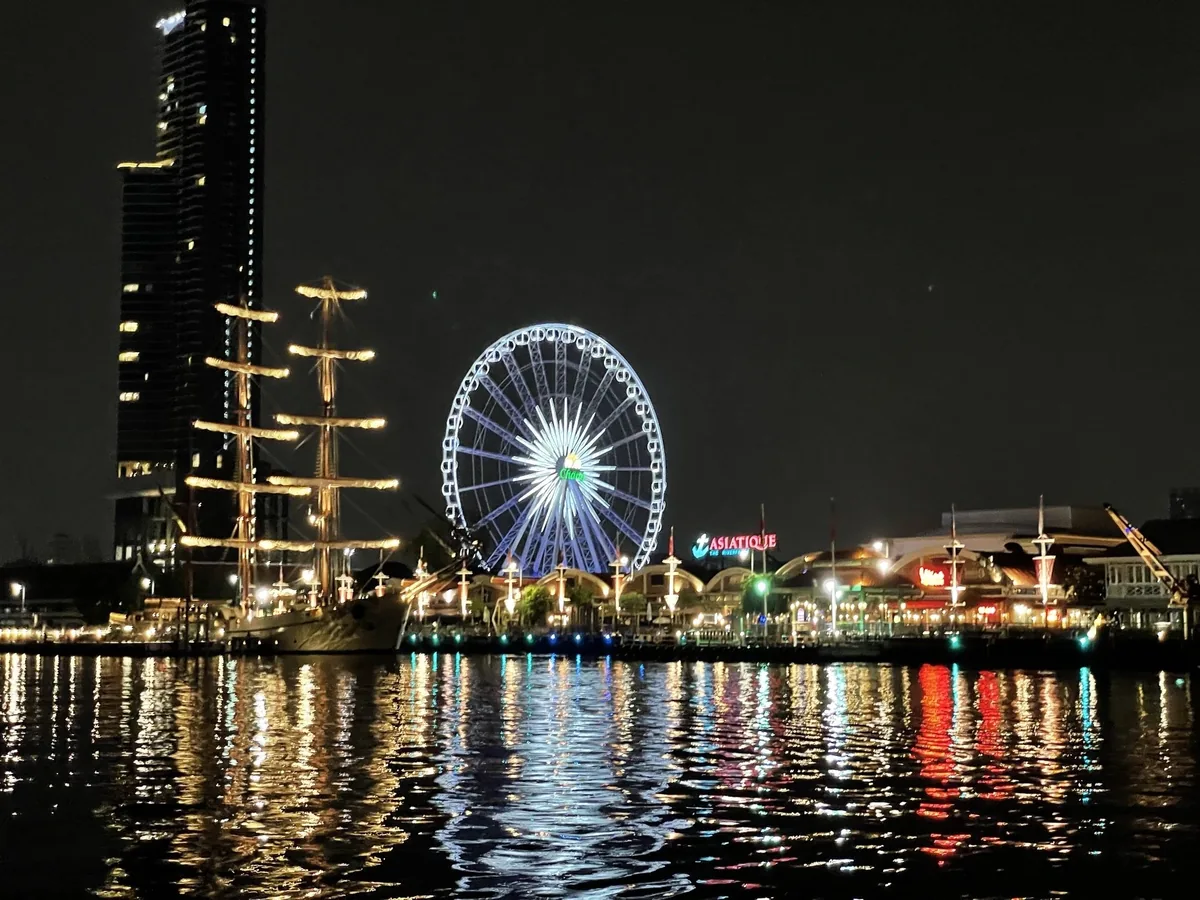
Met at Suvarnabhumi and driven in, between forty minutes and an hour depending on the traffic. Most nationalities enter Thailand without a visa, although from 15 September 2026 that stay is thirty days rather than sixty, and everyone must file the Thailand Digital Arrival Card online within seventy-two hours of arriving. It is free and takes ten minutes. We meet in the evening for a briefing and the first dinner.
Day 2: Rattanakosin and the Thonburi canals
Wat Pho first, for the reclining Buddha and the stone inscriptions that are the founding text of Thai massage. Across the river to Wat Arun and up the steep steps of the central prang for the bend in the Chao Phraya. Then two hours by longtail through the Thonburi khlongs, past teak houses on stilts and orchid nurseries — the older half of the city, and still the quieter one.
Day 3: Kanchanaburi and Hellfire Pass
Three hours west. The Burma railway was driven through this valley in 1942 and 1943 by Allied prisoners of war and a far larger number of conscripted Asian labourers, at a cost the war cemetery in town sets out row by row. We walk the Konyu cutting at Hellfire Pass, then ride a surviving section of the line along the Khwae Noi cliff. Night in a raft house on the river.
Day 4: Erawan, and a free afternoon in Bangkok
The Erawan falls first, seven tiers of limestone pools in the national park north of town, with time to swim in the lower ones before the drive back. We are in Bangkok by early afternoon and the rest of the day is open. The Jim Thompson house, six teak buildings assembled by the American who rebuilt the Thai silk trade, is the obvious choice; the Bangkokian Museum is quieter.
Day 5: North to Chiang Mai
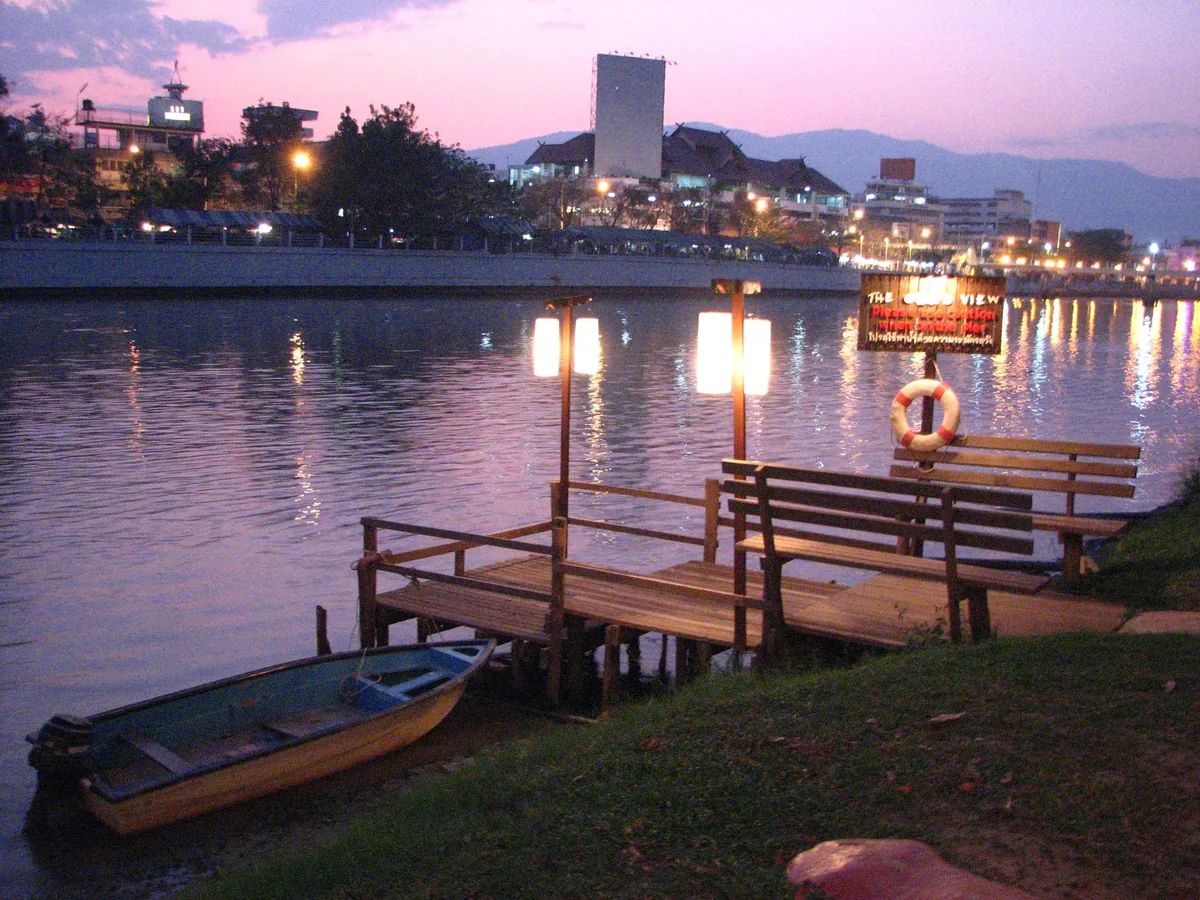
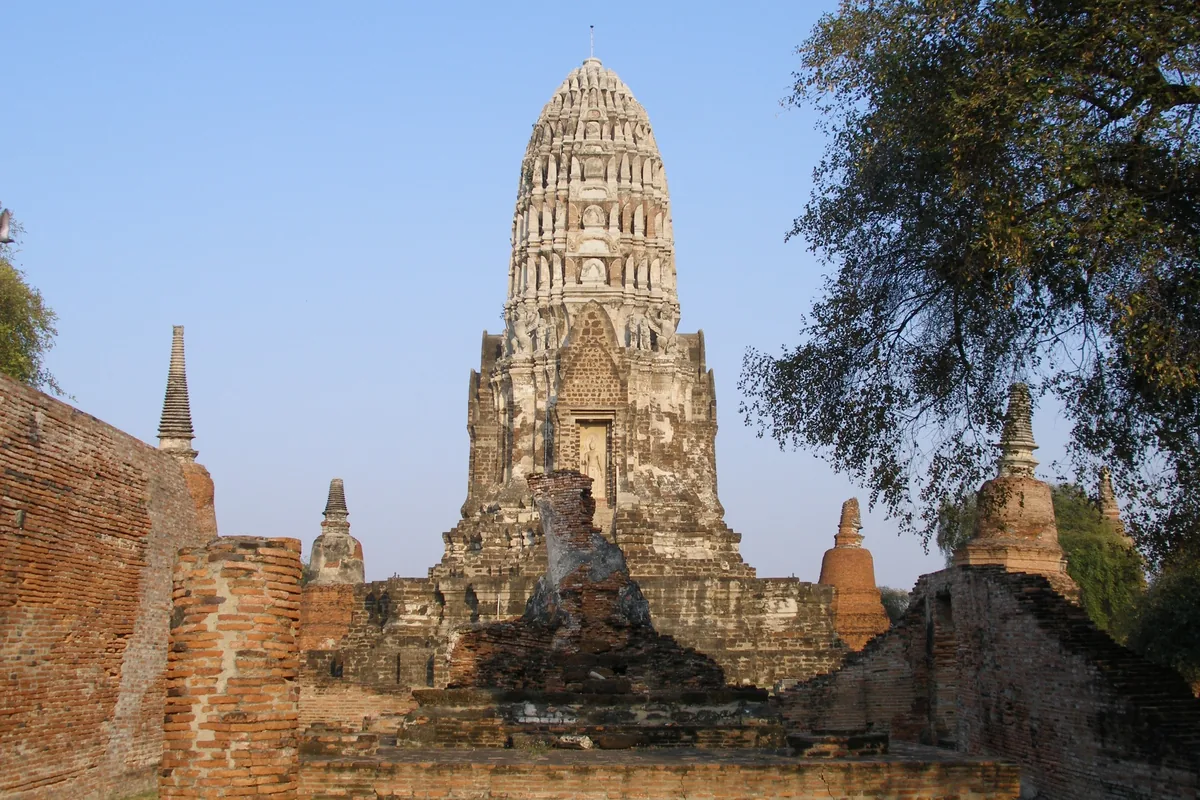
An hour and ten in the air. Chiang Mai was founded by King Mangrai in 1296 and held the Lan Na kingdom together for two and a half centuries. We start south of the modern city at Wiang Kum Kam, the capital Mangrai built first and gave up on when the Ping kept flooding it; the site lay under silt until the 1980s. Afternoon inside the walls at Wat Phra Singh and Wat Chedi Luang.
Day 6: Chiang Mai and Doi Suthep
Wat Umong in the morning, a forest monastery founded in Mangrai’s reign with brick tunnels cut under its chedi, then the craft road east to San Kamphaeng — lacquer, silverwork, and the umbrella makers at Bo Sang who still beat their own mulberry paper. Late afternoon up Doi Suthep to the gilded chedi at about a thousand metres, with the plain and the city laid out below at dusk.
Day 7: Mae Kampong
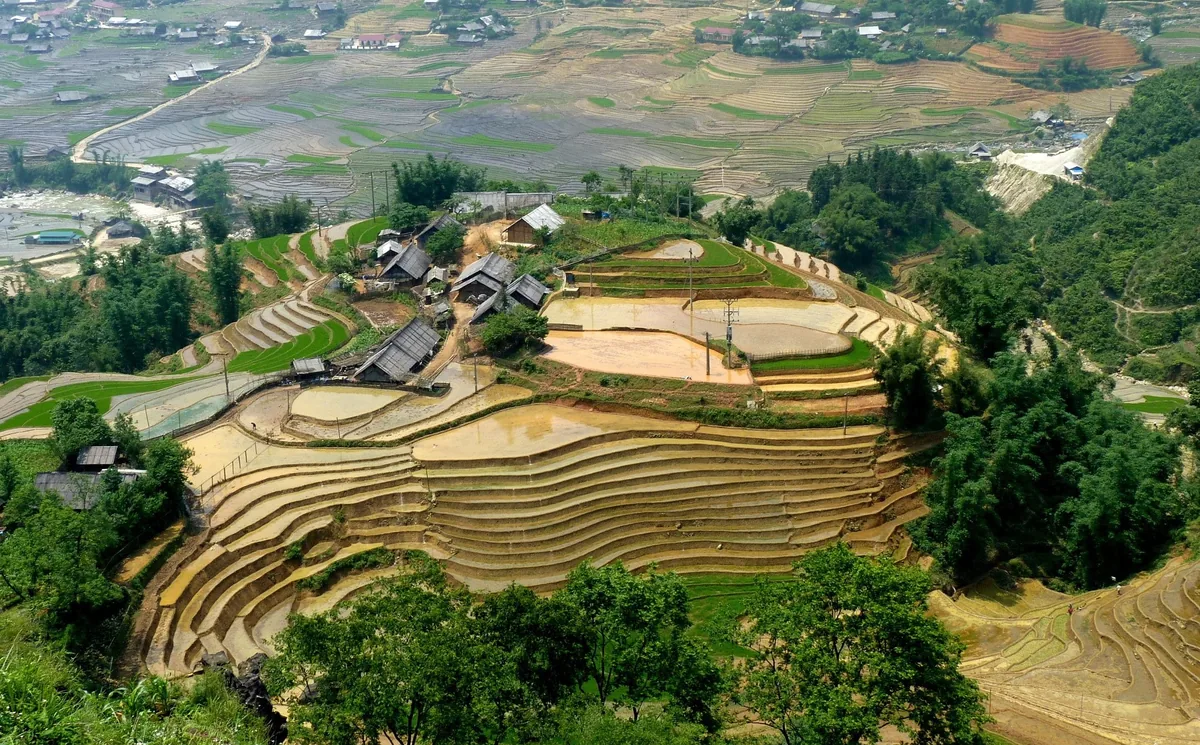
An hour east and up into the hills to Mae Kampong, where coffee and miang tea have been grown for generations. We walk the terraces with a grower, look at how the leaf is steamed and fermented for chewing, and eat lunch in the village. Back down by way of the San Kamphaeng hot springs in the late afternoon. Dinner together to close the Thai half of the trip.
Day 8: Across to Hanoi
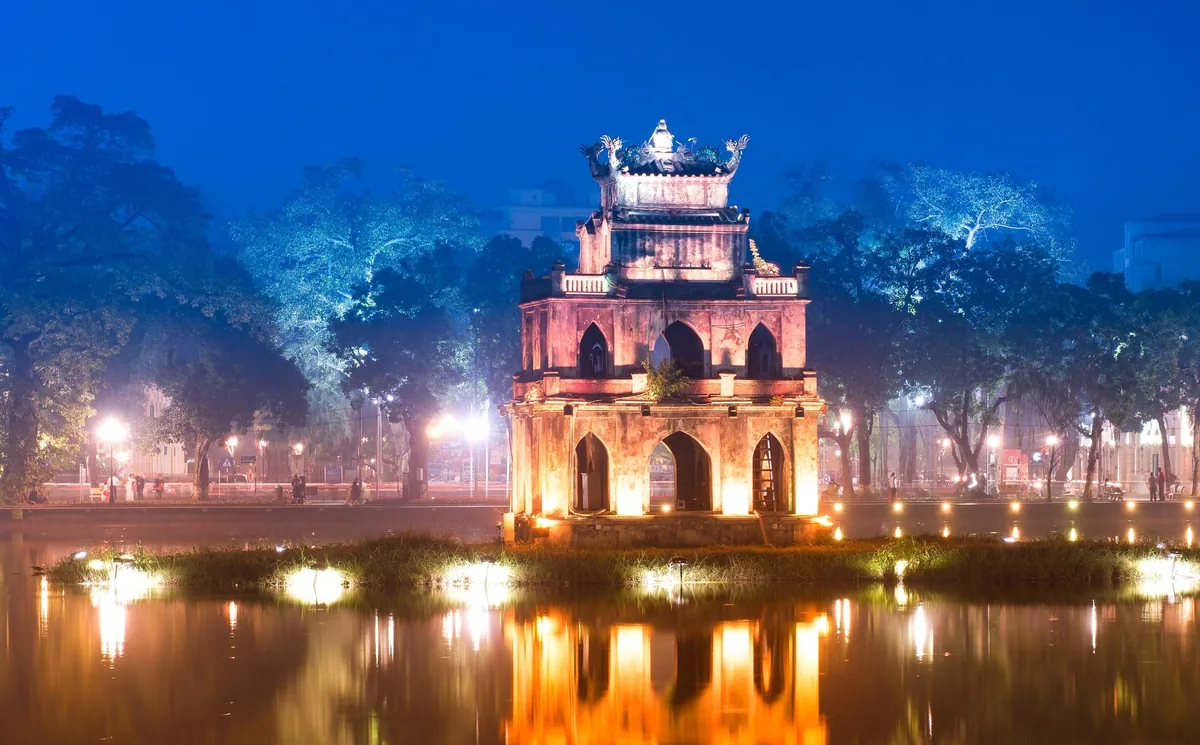
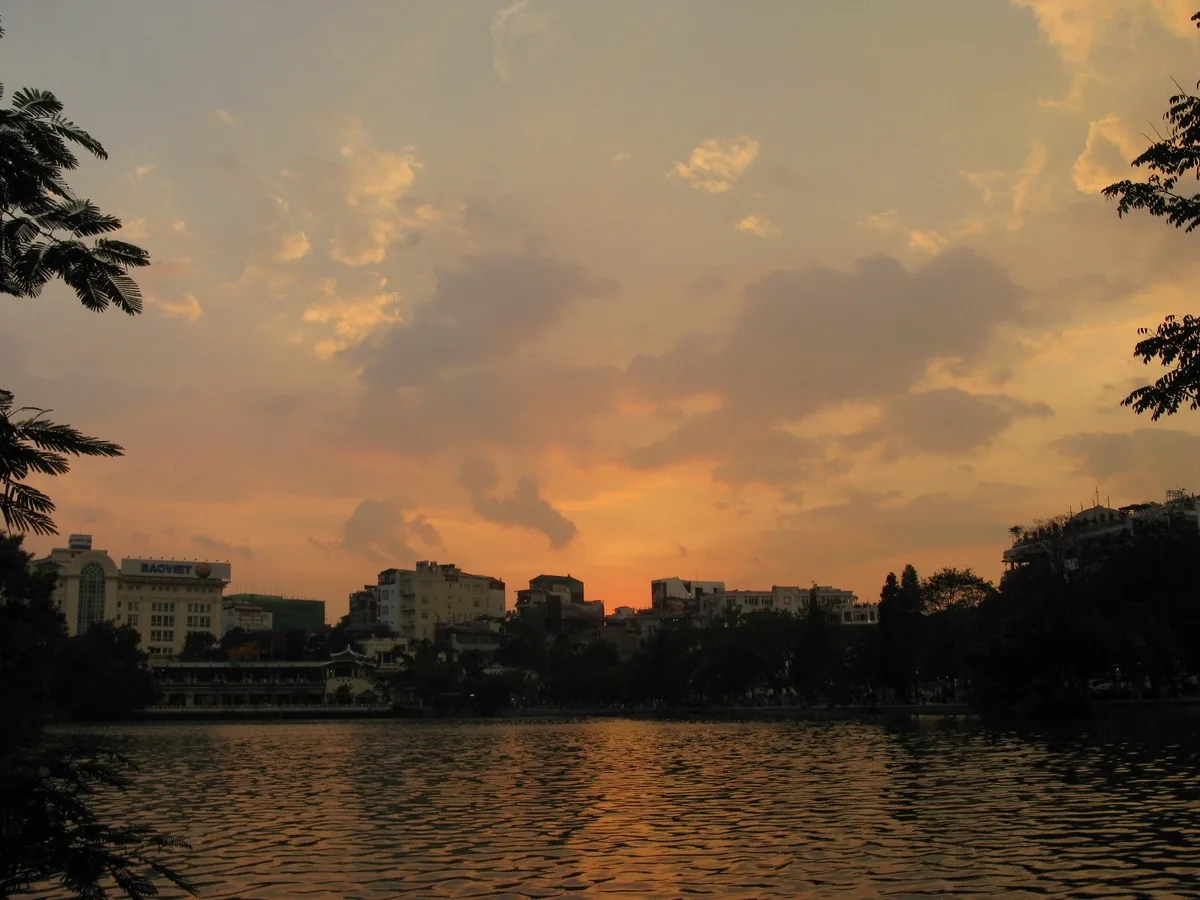
Chiang Mai to Hanoi is a direct flight of an hour and thirty-five minutes, five days a week; on the other two we route through Bangkok. There is no land border between the two countries and no sensible overland alternative, so this is where the trip joins. Into Hanoi by mid-afternoon. The evening is free around Hoan Kiem, and the lake path fills up once the heat goes out of the day.
Day 9: Hanoi
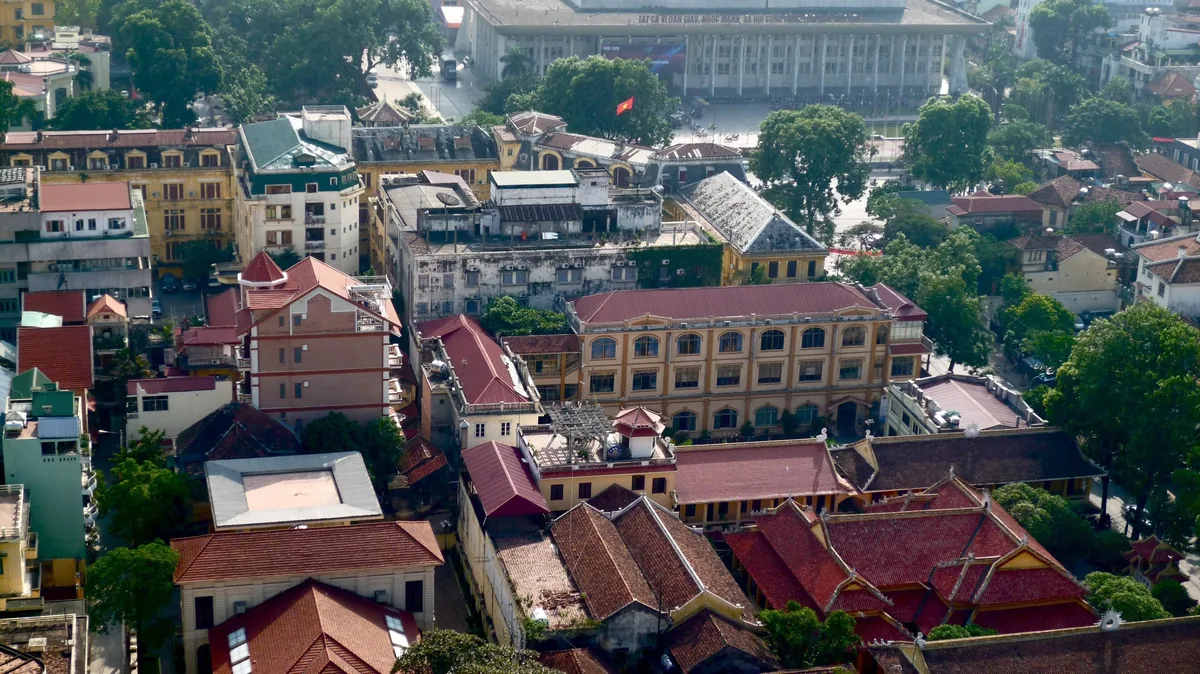
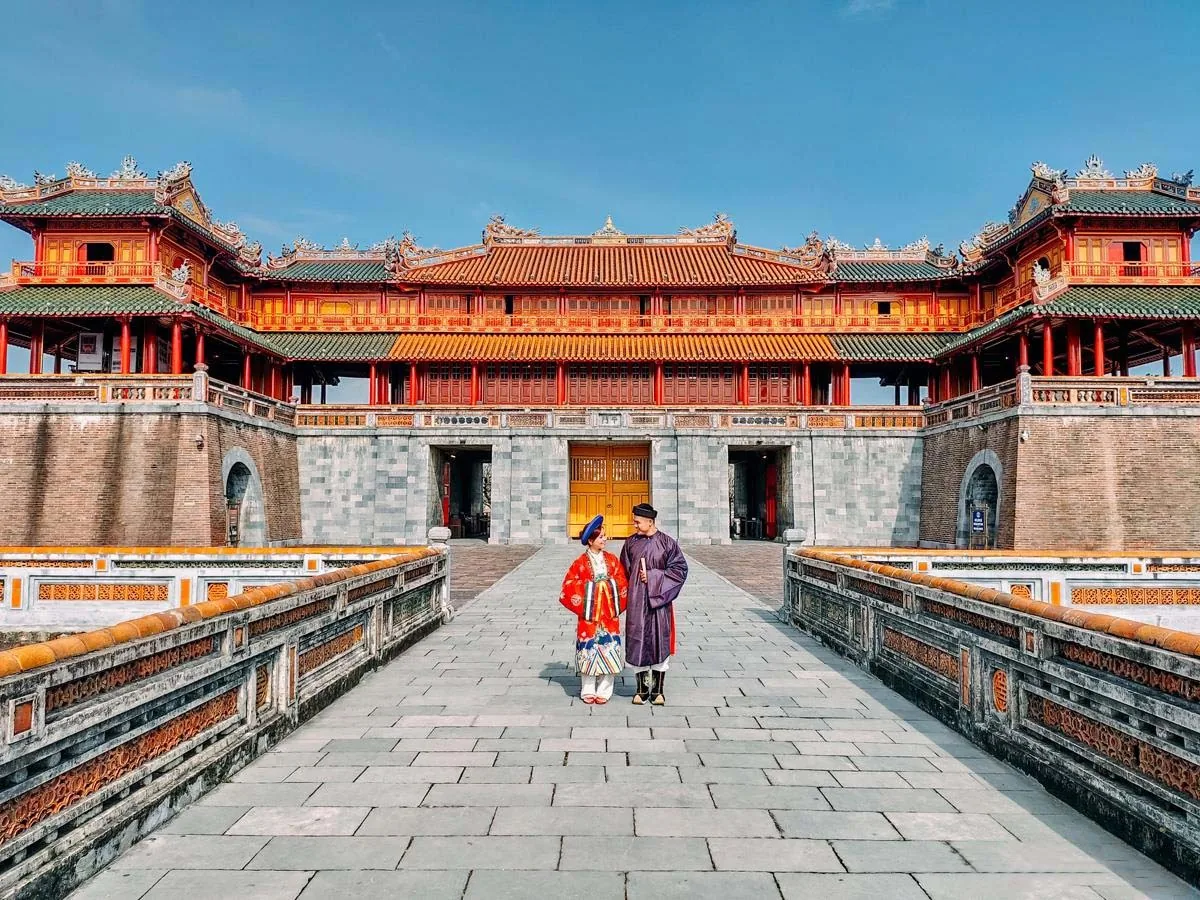
The mausoleum quarter first thing — the Presidential Palace grounds, the stilt house Ho Chi Minh used in preference to the palace itself, and the One Pillar Pagoda, rebuilt in 1955 after French forces destroyed the original on withdrawing. Then the Vietnamese Women’s Museum, which is a great deal better than its name suggests. The afternoon goes on the Old Quarter, whose streets still carry the names of their trades.
Day 10: Out to Lan Ha Bay
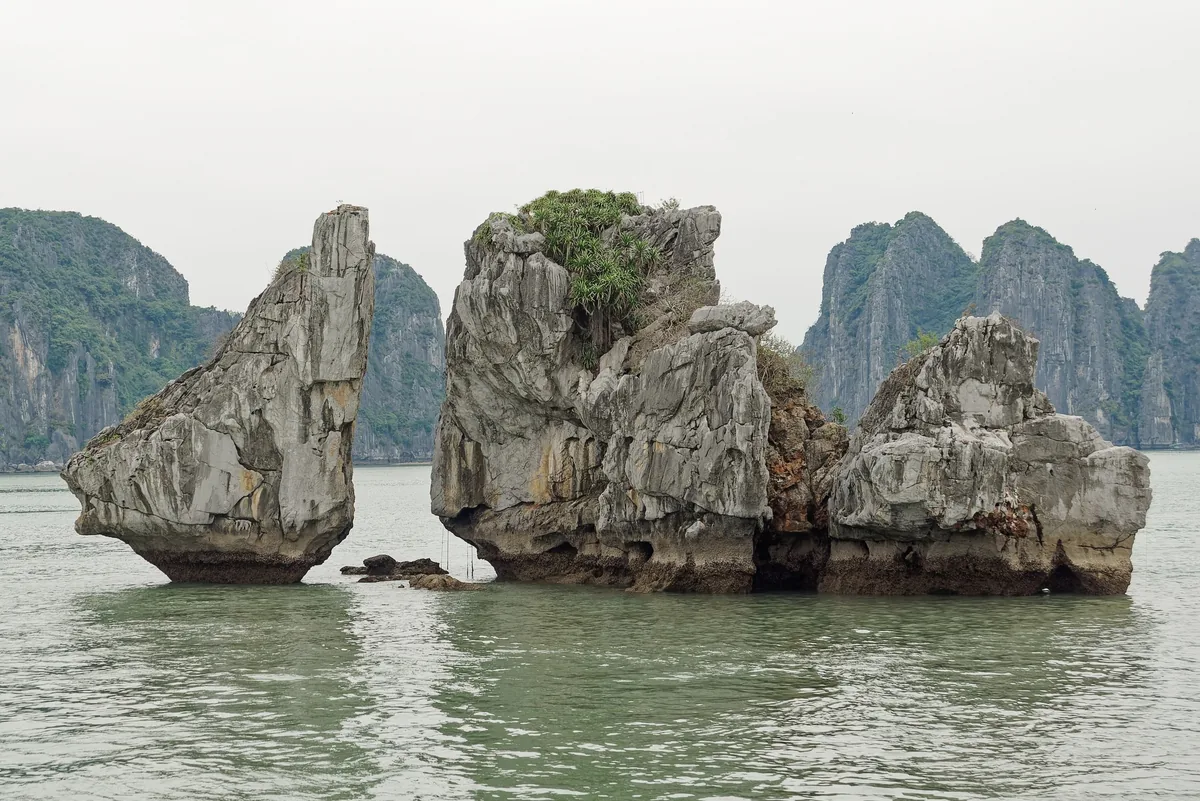
Two and a half hours east on the Hai Phong expressway, then across to Cat Ba and aboard. Lan Ha lies along the south side of the island, in the same drowned limestone as Ha Long but outside the main cruising channel, and the anchorages are quieter for it. Kayaks go out among the islets in the afternoon, there is a swim if you want one, and dinner and the night are aboard.
Day 11: South to Hoi An
Breakfast under way and a last hour on the water; we are ashore before noon. The drive back to Hanoi takes two and a half hours, and an afternoon flight puts us into Da Nang in an hour and twenty. Hoi An is forty minutes on from the airport, down the coast road past the Marble Mountains. Dinner in the old town, which closes to traffic in the evenings.
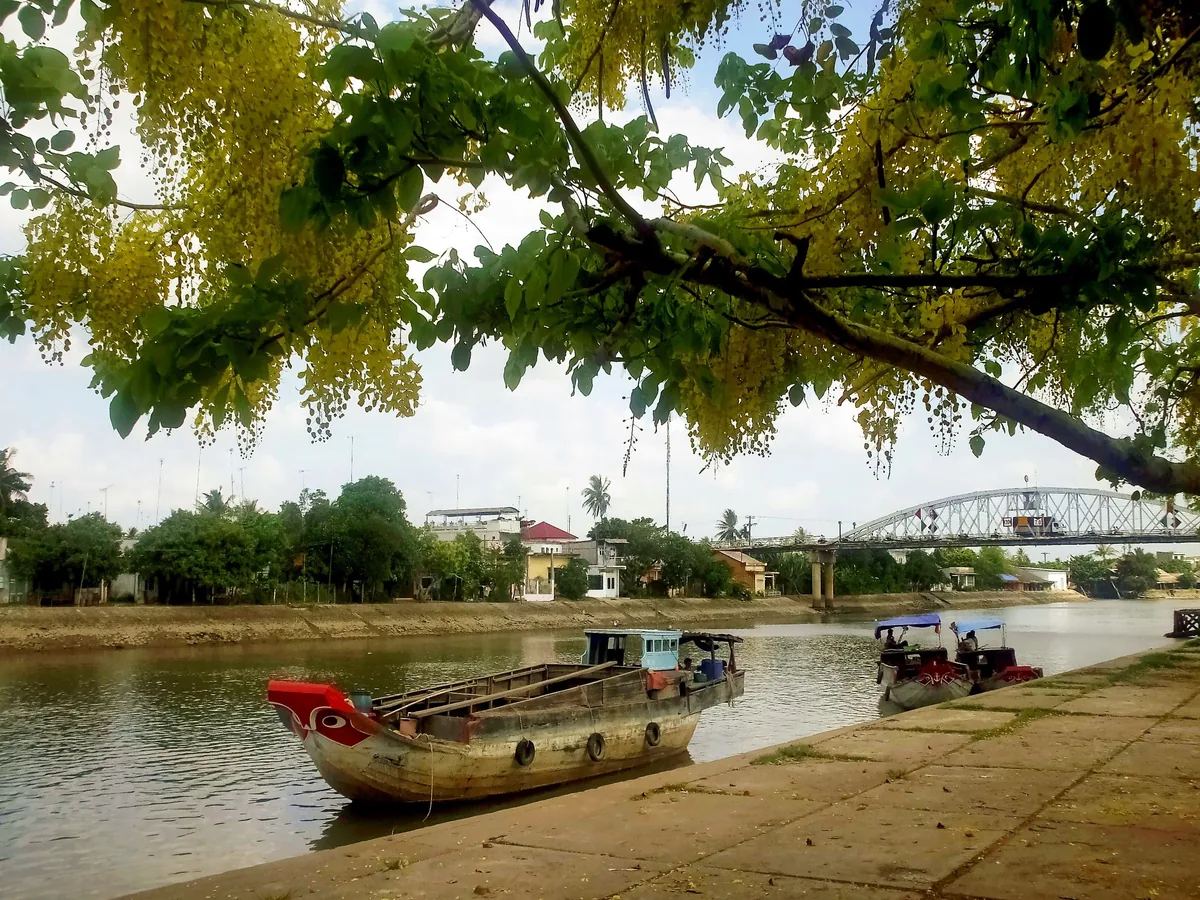
Day 12: Hoi An and the Thu Bon
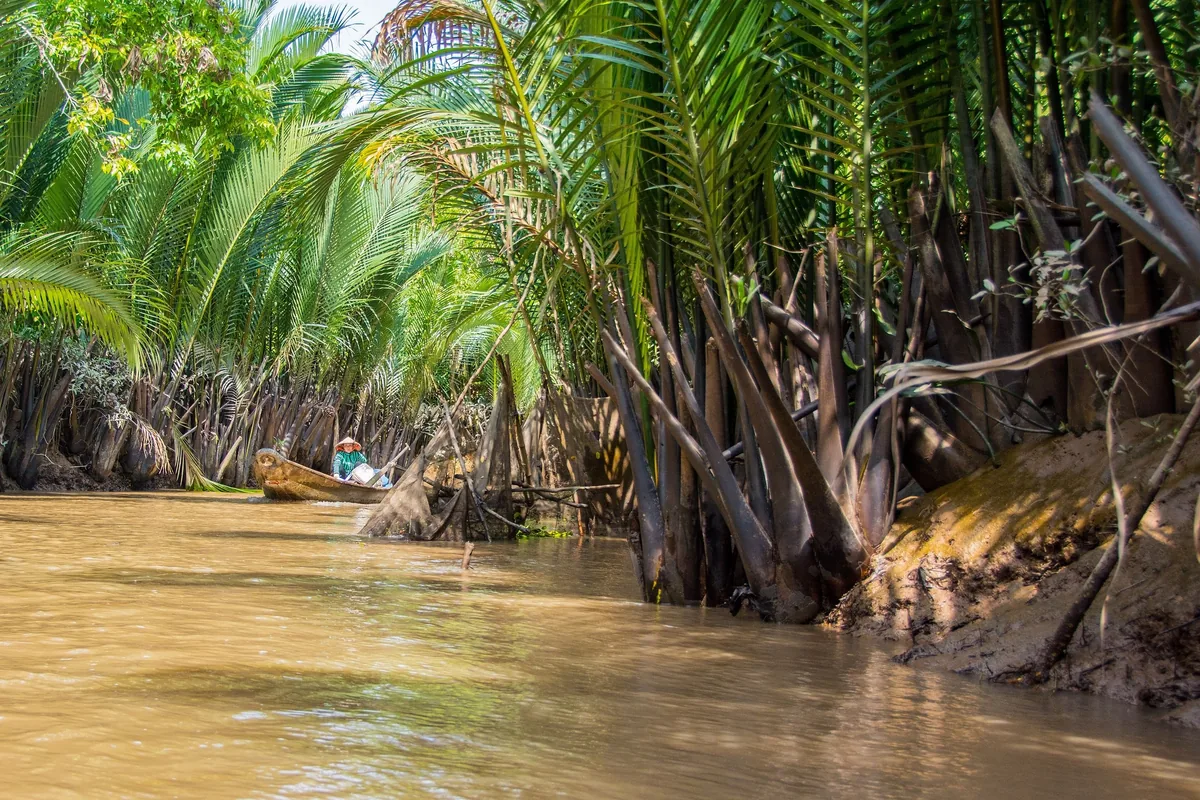
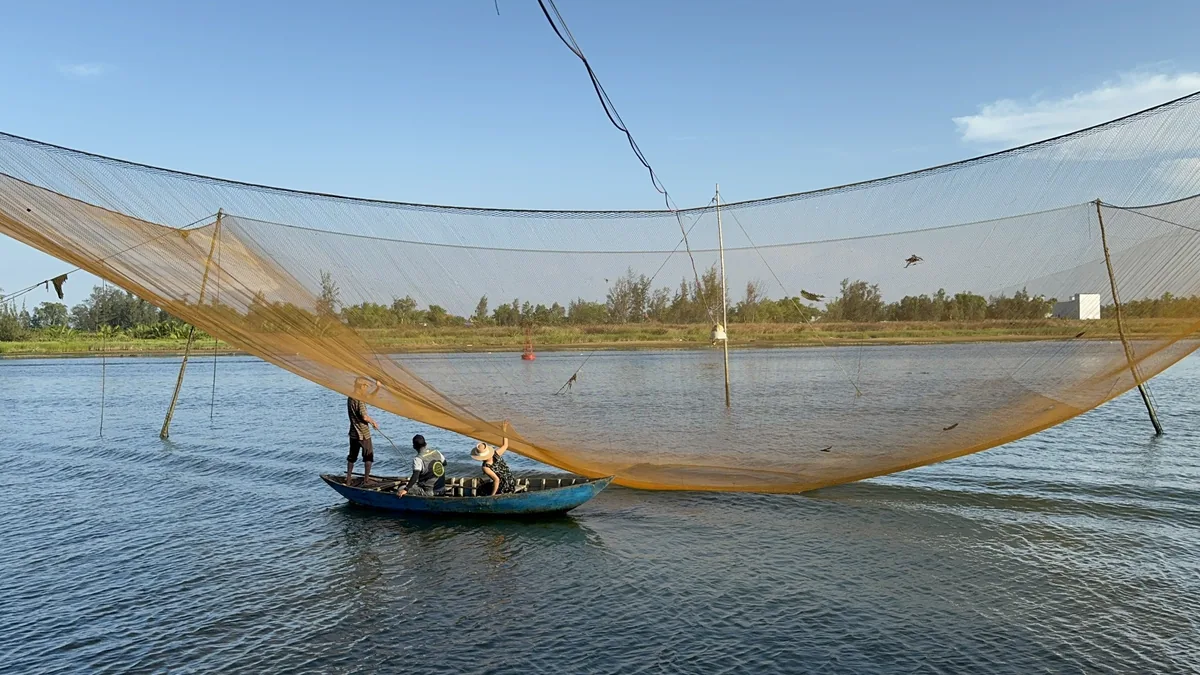
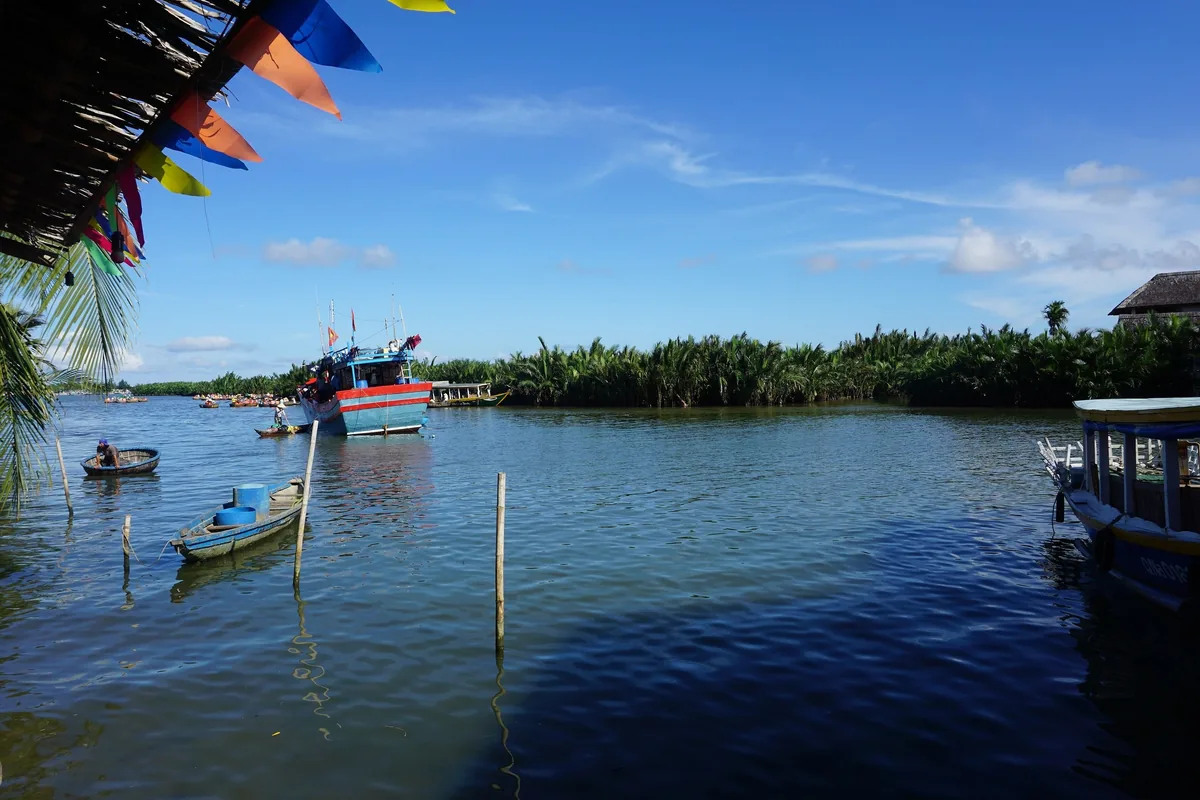
The riverside market at first light, then a boat downstream: Kim Bong, where the carpenters who built much of the old town still work to order, and Thanh Ha, where the potters throw on foot-turned wheels. In the afternoon, the water-coconut palms at Cam Thanh in a round basket boat. Back for the old town on foot — the Japanese bridge, the assembly halls, and the lanterns after dark.
Day 13: Departure
What´s included
- 12 nights: hotels in Bangkok, Chiang Mai, Hanoi and Hoi An, a raft house on the Khwae Noi, and one night aboard in Lan Ha Bay
- Daily breakfast and 4 dinners
- Flights Bangkok to Chiang Mai, Chiang Mai to Hanoi and Hanoi to Da Nang, economy with checked baggage
- One night aboard a small boat in Lan Ha Bay, with kayaks
- The heritage section of the Burma railway along the Khwae Noi cliff
- Longtail boat through the Thonburi canals, and the Thu Bon and Cam Thanh boats at Hoi An
- All road transport in air-conditioned vehicles in both countries
- All entrance fees named in the itinerary, among them Hellfire Pass, Erawan, Wiang Kum Kam and Doi Suthep
- English-speaking tour leader throughout, with local guides in Bangkok, Chiang Mai, Hanoi and Hoi An
- Arrival and departure transfers, and all tipping
Excluded
- International flights into Bangkok and out of Da Nang
- Thai entry formalities — most nationalities need no visa, but the exemption falls from sixty days to thirty on 15 September 2026, and the Thailand Digital Arrival Card must be filed within seventy-two hours before arrival
- Vietnamese e-visa, which you apply for online before travel
- Travel insurance, which is a condition of joining the group
- Lunches other than the village lunch at Mae Kampong, and any meal not listed above
- Optional activities during free time in Bangkok and Hoi An
- Drinks, laundry and other personal expenses
Other journeys you may like