Small Group Journeys
Highlights
Tour Details
Itinerary
Day 1: Arrival in Luang Prabang
The Mekong runs along the north side of the town and the Nam Khan joins it at the tip of the peninsula; everything that follows is downstream of here. You are met at the airport and at the hotel within half an hour. The afternoon is free to walk the riverbank and get the shape of the place. We meet at six for a briefing, a first look at the map, and dinner.
Day 2: Luang Prabang
A morning on foot. Wat Xieng Thong at the confluence, the Royal Palace with the barge shed behind it, and Wat Mai on the main street. After lunch the UXO Lao visitor centre, on the two million tonnes of ordnance dropped on this country between 1964 and 1973 and the clearance work still going on. Sunset from Phousi if the haze allows, and the evening is your own.
Day 3: Kuang Si and the ridge villages
An hour south-west by road to Kuang Si, where a limestone stream drops through a staircase of pools that stay pale blue because of the dissolved calcite carried in the water. You can swim in the lower ones. The bear rescue centre at the gate holds Asiatic black bears taken out of the bile trade. Coming back we stop at Hmong and Khmu settlements on the ridge road.
Day 4: The railway south
Luang Prabang’s station is twelve kilometres north-east of town. The Laos–China service reaches Vientiane in a little over two hours, most of it inside tunnels; before the line opened the same journey took a full day on Route 13. Seats go on sale seven days ahead and sell out quickly. Vientiane station is fourteen kilometres out. Afternoon at Pha That Luang, then the riverfront embankment with Thailand on the far bank.
Day 5: To Pakse, and Wat Phou
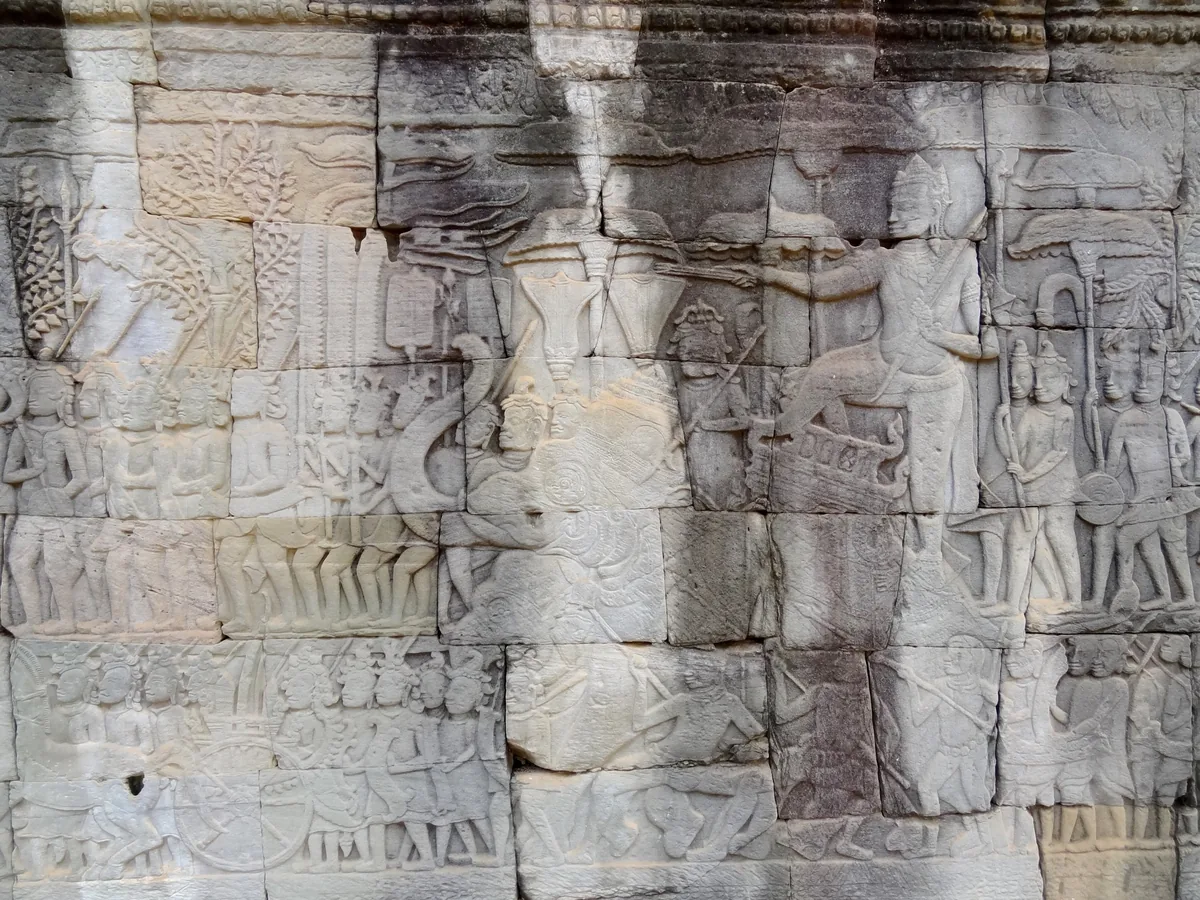
A short morning flight down to Pakse, at the mouth of the Xe Don. We drive south along the east bank and cross to Champasak for Wat Phou, a Khmer sanctuary laid out up a hillside towards a spring, its earliest foundations several centuries older than Angkor Wat. A causeway lined with sandstone posts runs out towards the floodplain. Back to Pakse for the night, arriving at dusk.
Day 6: The Bolaven plateau, then the islands
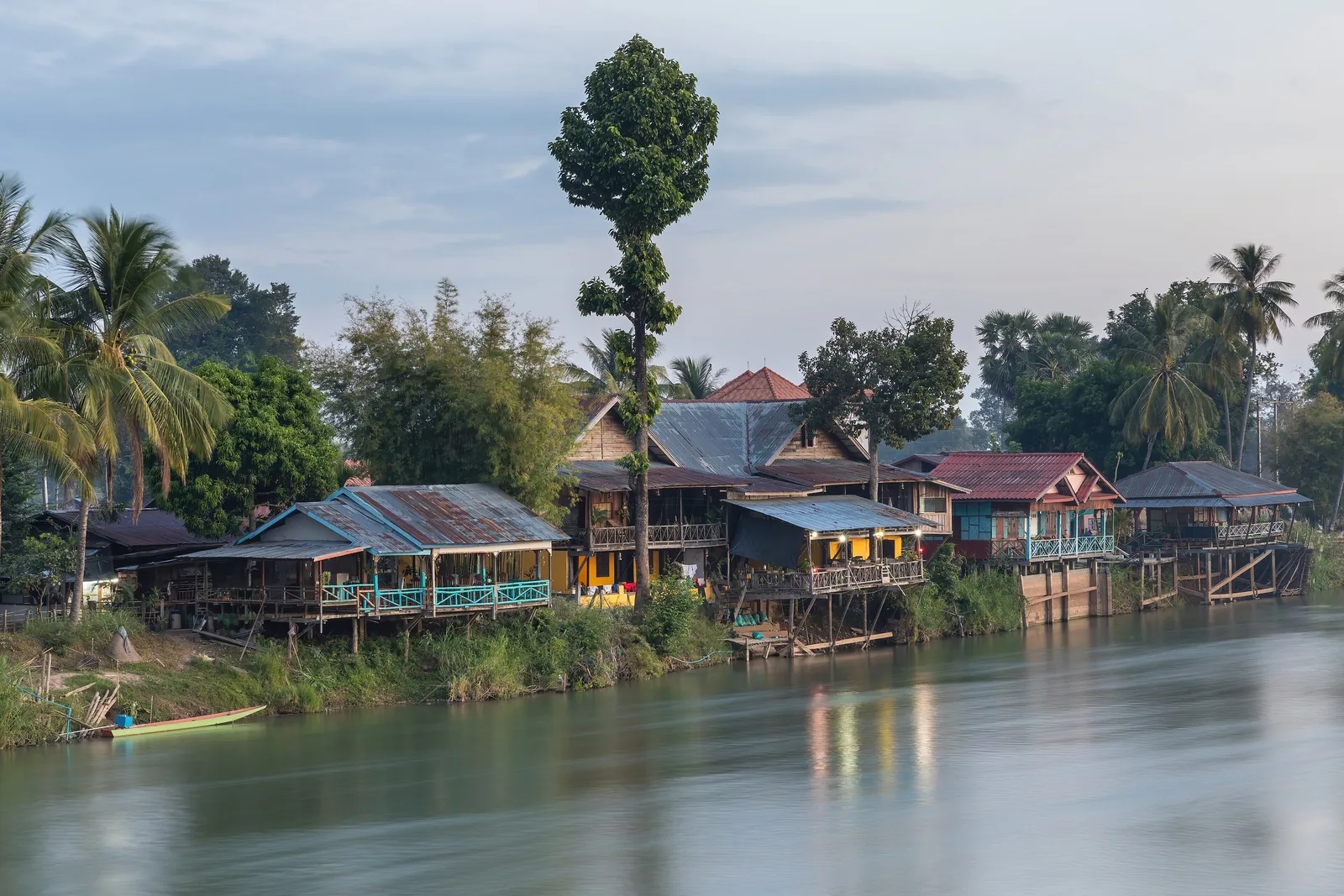
East and up onto the Bolaven, twelve hundred metres of basalt that the French planted with coffee from 1915 onwards. We stop at a smallholding above Paksong to watch arabica sorted and washed, and at Tad Fane, where two streams drop about a hundred metres into a shared gorge. Then south to Si Phan Don, where the river spreads across fourteen kilometres of channels. Two nights on Don Khon.
Day 7: Si Phan Don
The whole day among the islands. The French cut a seven-kilometre railway across Don Det and Don Khon in the 1890s because the falls made this reach unnavigable; the locomotive, the stone piers and the bridge between the two islands are all still standing. In the afternoon, Khone Phapheng, the widest fall on the river, and Li Phi on the Don Khon side. Bicycles are the sensible way to move about.
Day 8: Into Cambodia
Forty minutes down to Nong Nok Khiene and out of Laos on foot, then in at Trapeang Kriel. Cambodian visas are issued on arrival here, in US dollars, cash; your leader handles the desk and the small unofficial charges that come with this crossing. On south through Stung Treng to Kratie, about four hours in all, arriving with enough light to walk the riverfront before dinner.
Day 9: Kratie and the dolphins
Fifteen kilometres north to the deep pool at Kampi, and out in a small boat with the engine cut. The Mekong’s Irrawaddy dolphins now number around 118, all of them in this Cambodian reach; the Lao population ended in February 2022 when the last animal in the Cheuteal pool died. The afternoon is on Koh Trong, the sandbar island opposite town, which you can ride round in two hours.
Day 10: Downriver to Phnom Penh
South through Chhlong, where a row of Chinese shophouses and a few French villas still stand on the bank, then Kampong Cham for lunch and Wat Nokor — an eleventh-century sandstone temple with a working modern pagoda built inside its walls. Two hours on from there to Phnom Penh, arriving in the late afternoon at the point where the Mekong, the Tonle Sap and the Bassac all meet.
Day 11: Phnom Penh
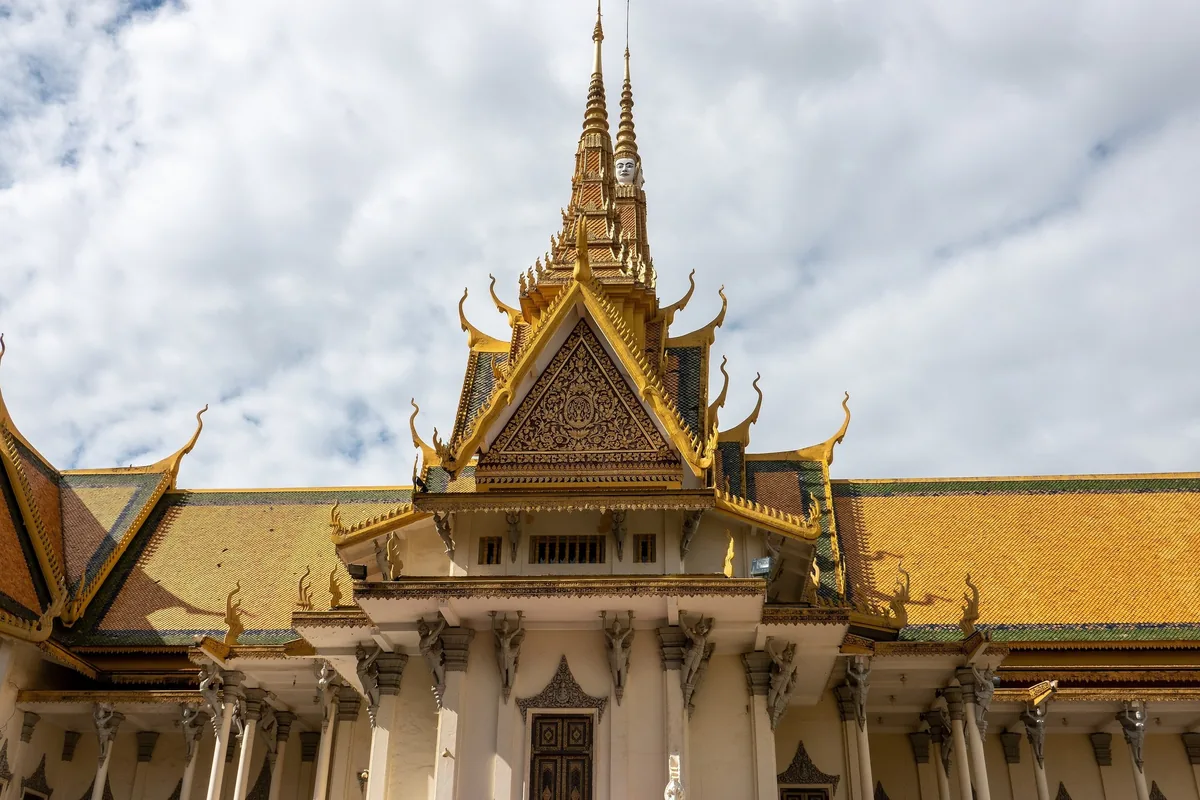
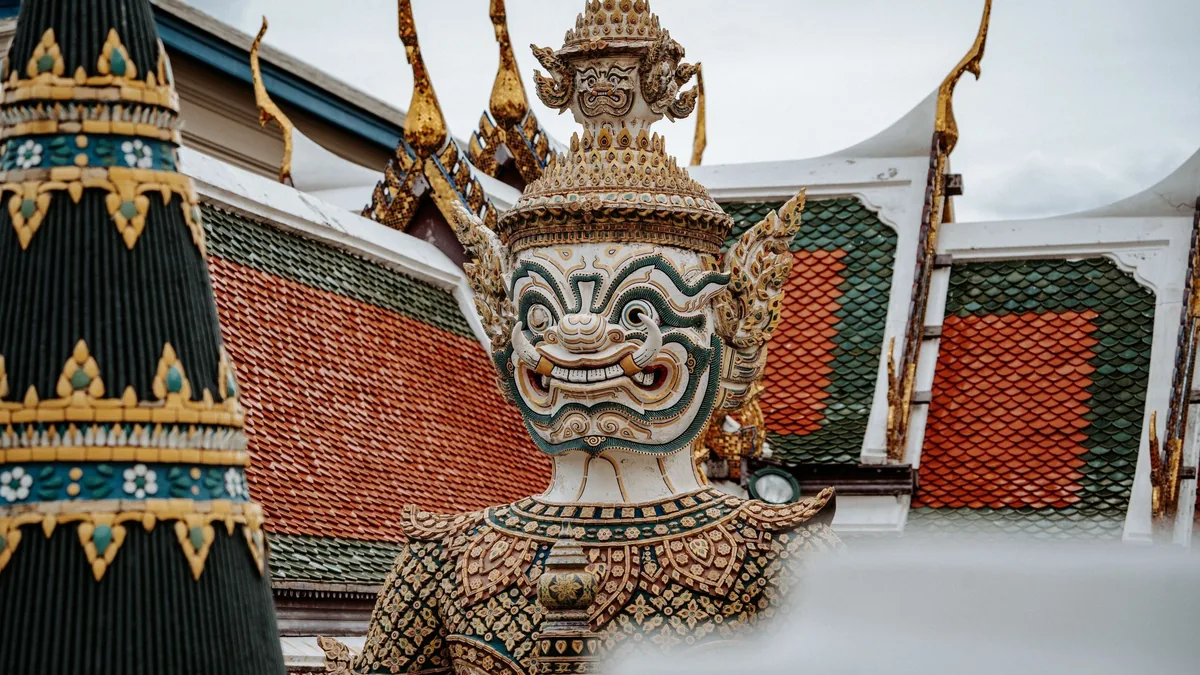
The National Museum first, for the pre-Angkorian and Angkorian sculpture, then the Royal Palace and the Silver Pagoda beside it. After lunch, Tuol Sleng — a school until 1975 and a prison afterwards — and enough time to sit with what it holds rather than walking straight out. Late afternoon at the Central Market under its 1937 concrete dome. The evening is free along Sisowath Quay.
Day 12: The boat to Chau Doc
The express boat leaves the quay at half past twelve and reaches Chau Doc six hours later. Immigration is at Kaam Samnor on the Cambodian bank and Vinh Xuong on the Vietnamese, and your e-visa must name Vinh Xuong as the point of entry or you will not be admitted. The river widens steadily below the border. Chau Doc sits in An Giang, which absorbed Kien Giang in the 2025 mergers.
Day 13: Chau Doc, and down to Can Tho
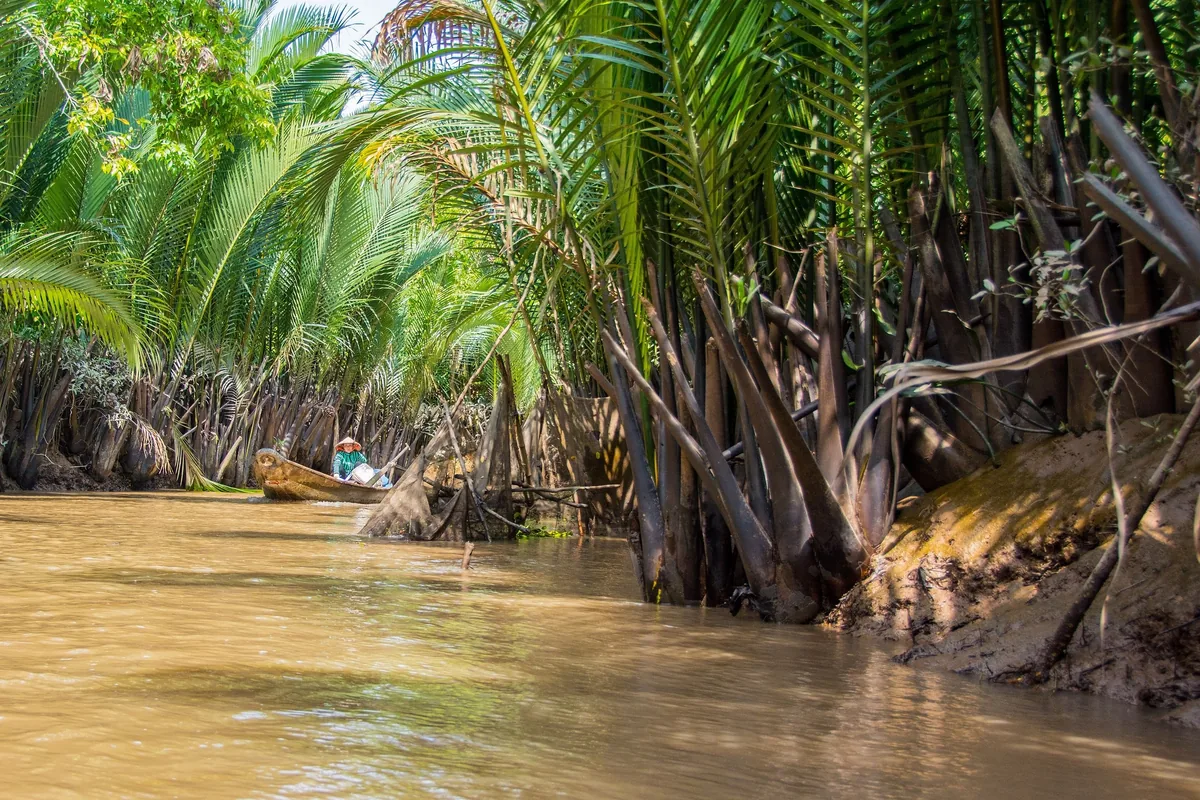
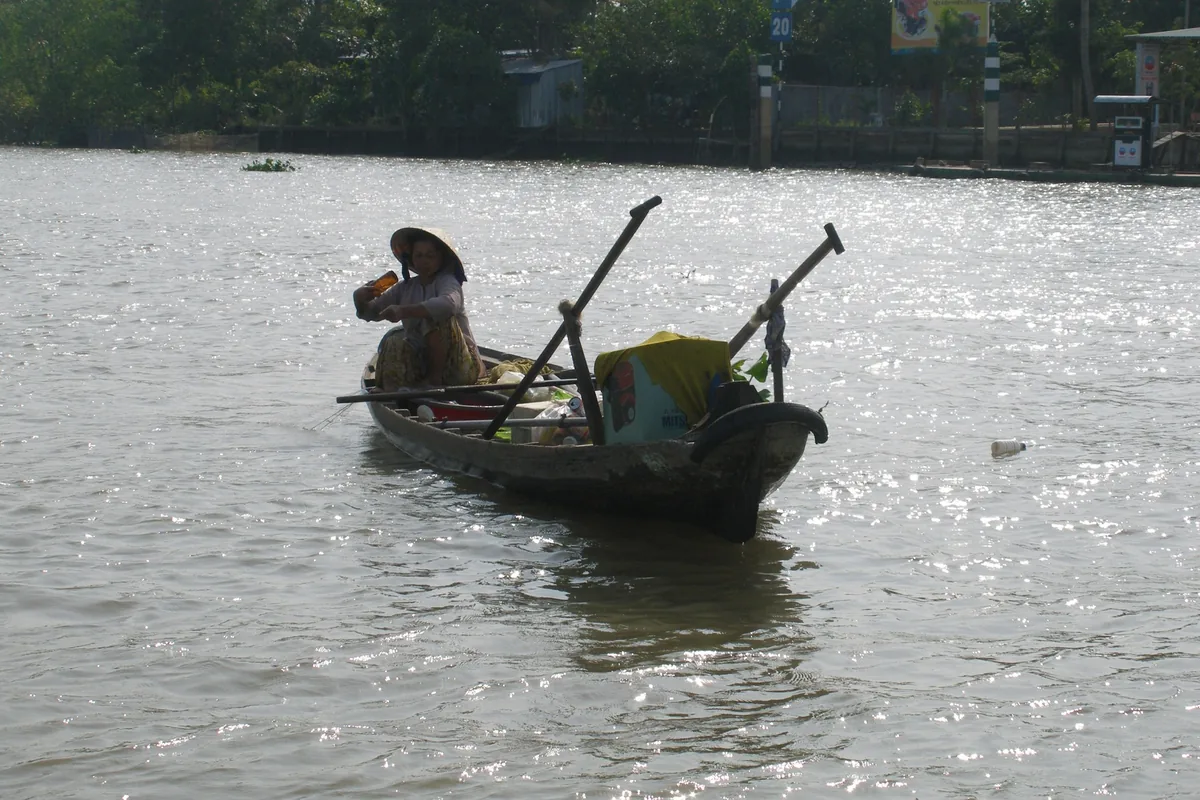
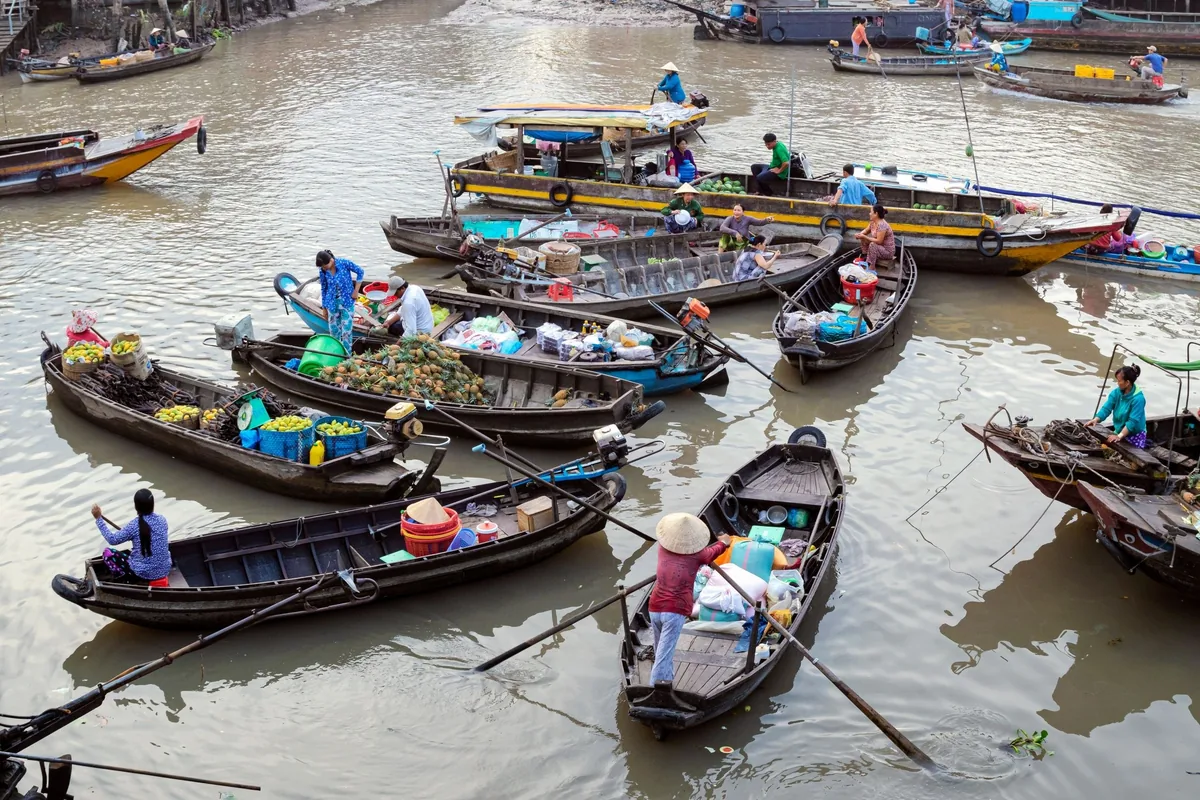
Up early for Sam Mountain and the Ba Chua Xu shrine below it, then the floating fish farms on the Hau and the Cham weaving village at Chau Giang, reached by ferry. In the afternoon we drive to Can Tho by way of Tra Su, a flooded cajuput forest crossed by punt where storks nest in numbers. Can Tho now takes in Hau Giang and Soc Trang as well.
Day 14: Cai Rang, and departure
What´s included
- 13 nights in described hotels, guesthouses and island lodges
- Daily breakfast and 4 dinners
- Laos–China Railway ticket Luang Prabang to Vientiane, booked the day the seven-day window opens
- Internal flight Vientiane to Pakse, economy with checked baggage
- Express boat Phnom Penh to Chau Doc, including the immigration stops at Kaam Samnor and Vinh Xuong
- Boats at Kampi for the dolphins, Koh Trong, Chau Giang, Tra Su and Cai Rang
- All road transport in air-conditioned vehicles, including the border transfer at Trapeang Kriel
- All entrance fees named in the itinerary, among them Wat Phou, Khone Phapheng and Tuol Sleng
- English-speaking tour leader for the full 14 days, with local guides in Champasak, Kratie and the delta
- Help with the Cambodian visa on arrival at the Lao border, arrival and departure transfers, and all tipping
Excluded
- International flights into Luang Prabang and out of Ho Chi Minh City
- Lao eVisa or visa on arrival, which is valid at Luang Prabang airport
- Cambodian visa fee, payable in US dollars in cash at Trapeang Kriel on Day 8, along with the informal charges usually collected at that crossing
- Vietnamese e-visa, applied for online in advance, which must name Vinh Xuong as the point of entry
- Travel insurance, which is a condition of joining the group
- Lunches, and any meal not listed above
- Drinks, laundry and other personal expenses
Other journeys you may like