Small Group Journeys
Highlights
Tour Details
Itinerary
Day 1: Arrival in Phnom Penh
Your guide meets you at Techo International, which took over as the capital’s airport in 2025 and sits some way south of the city — allow the best part of an hour for the drive in. The rest of the day is yours. If you land early, the riverfront promenade where the Tonlé Sap meets the Mekong is a short walk from most of the hotels we use, and the light there at six is worth the walk.
Day 2: Phnom Penh — the palace, and the record of the Khmer Rouge
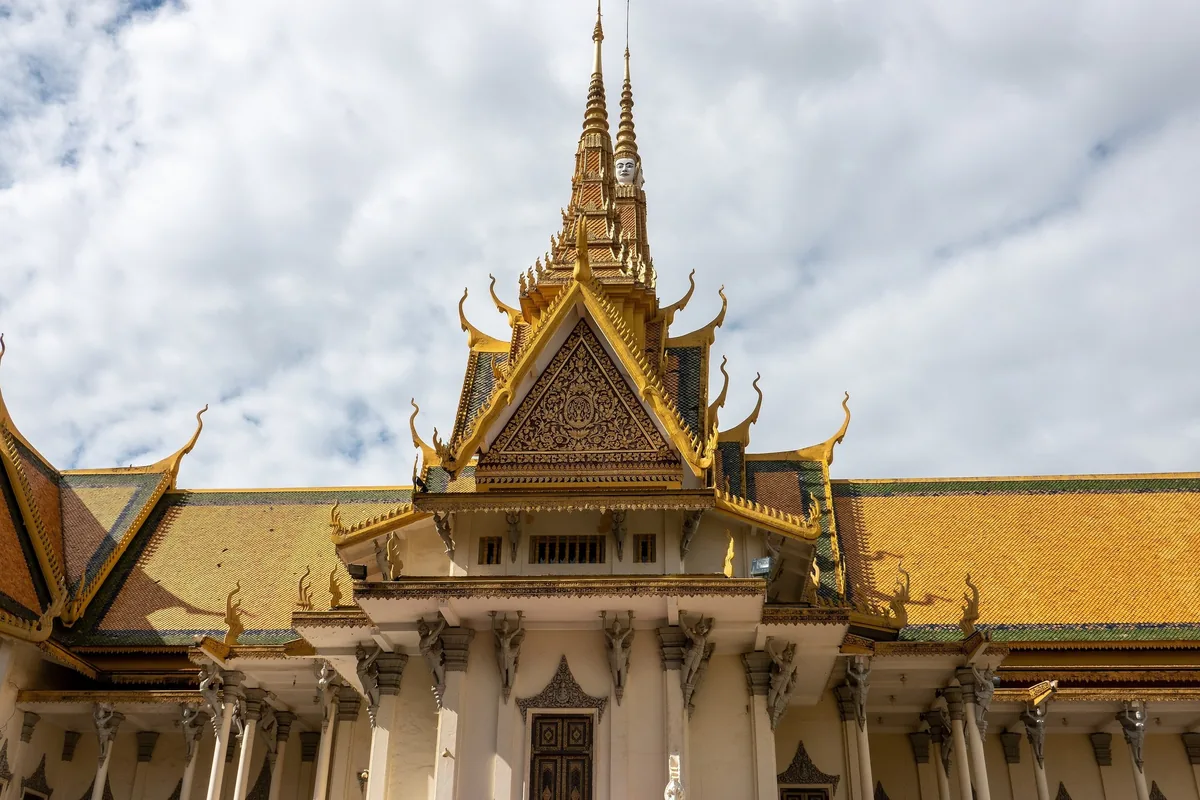
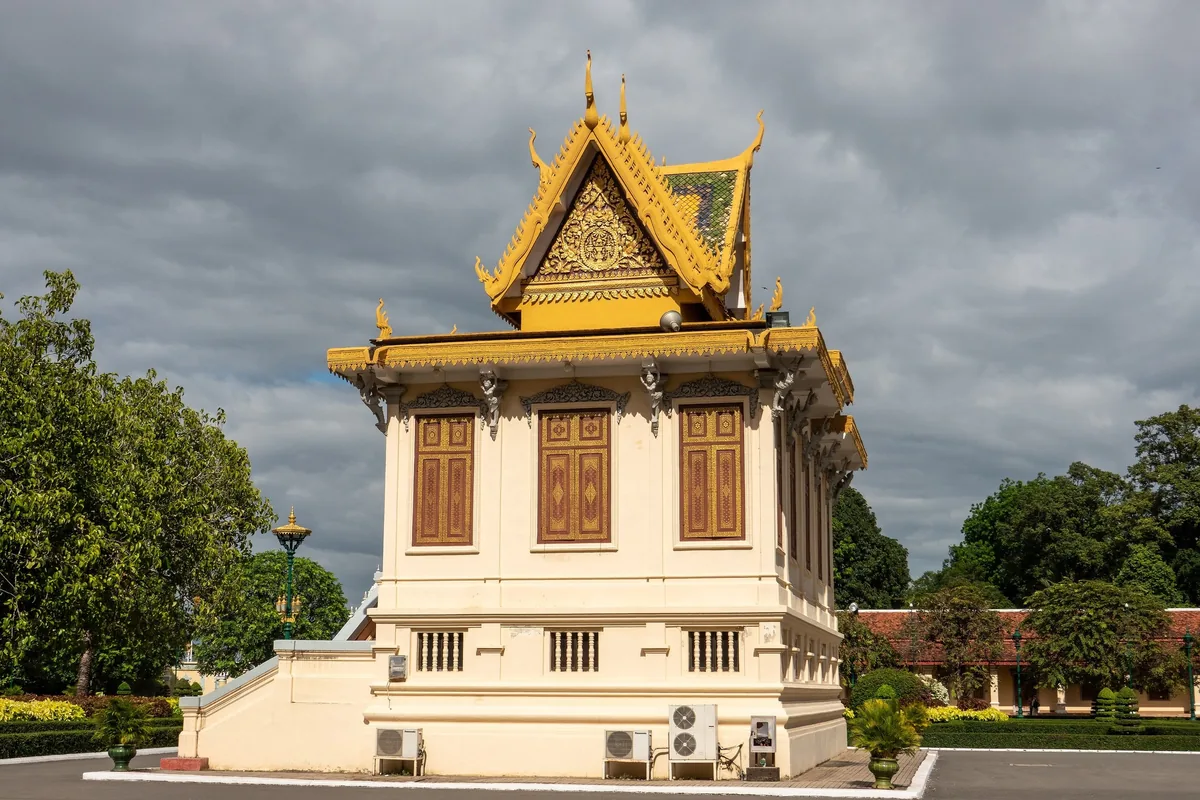
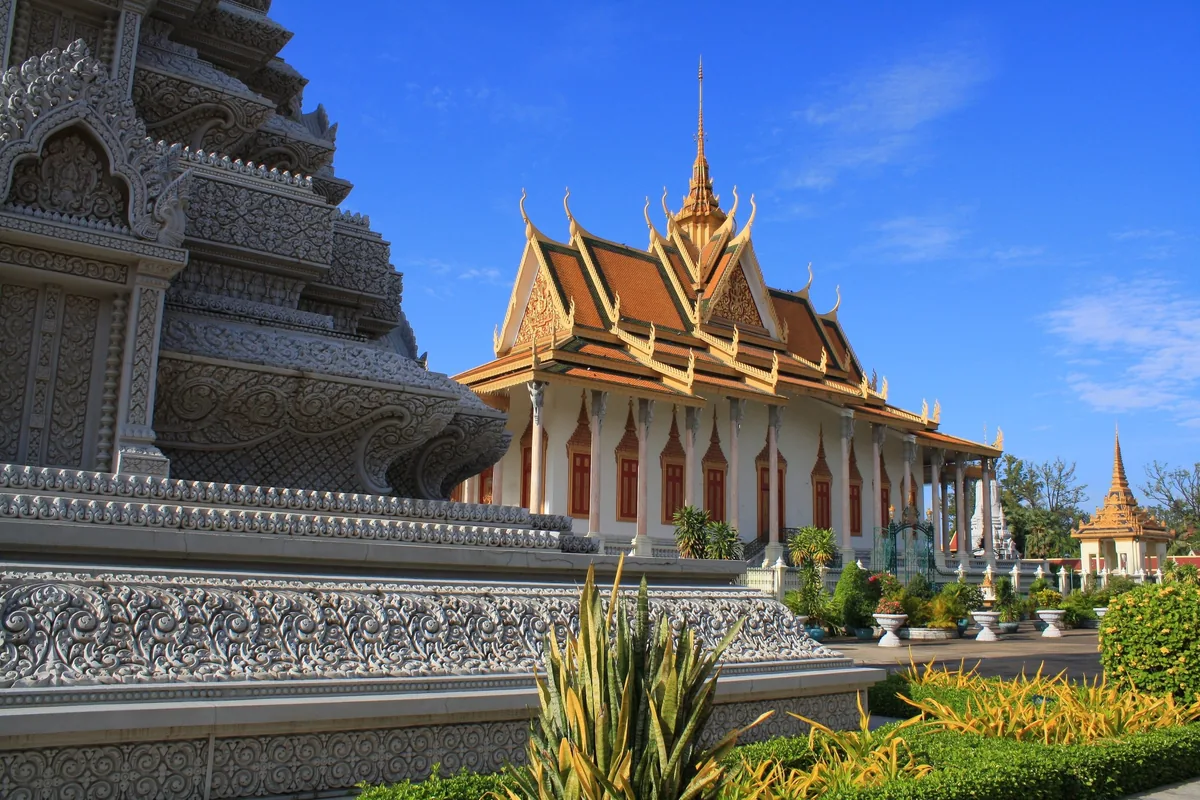
The Silver Pagoda and the Royal Palace first, then the National Museum, whose sandstone collection is the best preparation for Angkor you can get. The afternoon is given to Tuol Sleng and Choeung Ek. This is a difficult few hours and we do not dress it up: our guides explain what was done here between 1975 and 1979, answer questions plainly, and leave you time to sit. Dinner together afterwards.
Day 3: North-west to Battambang
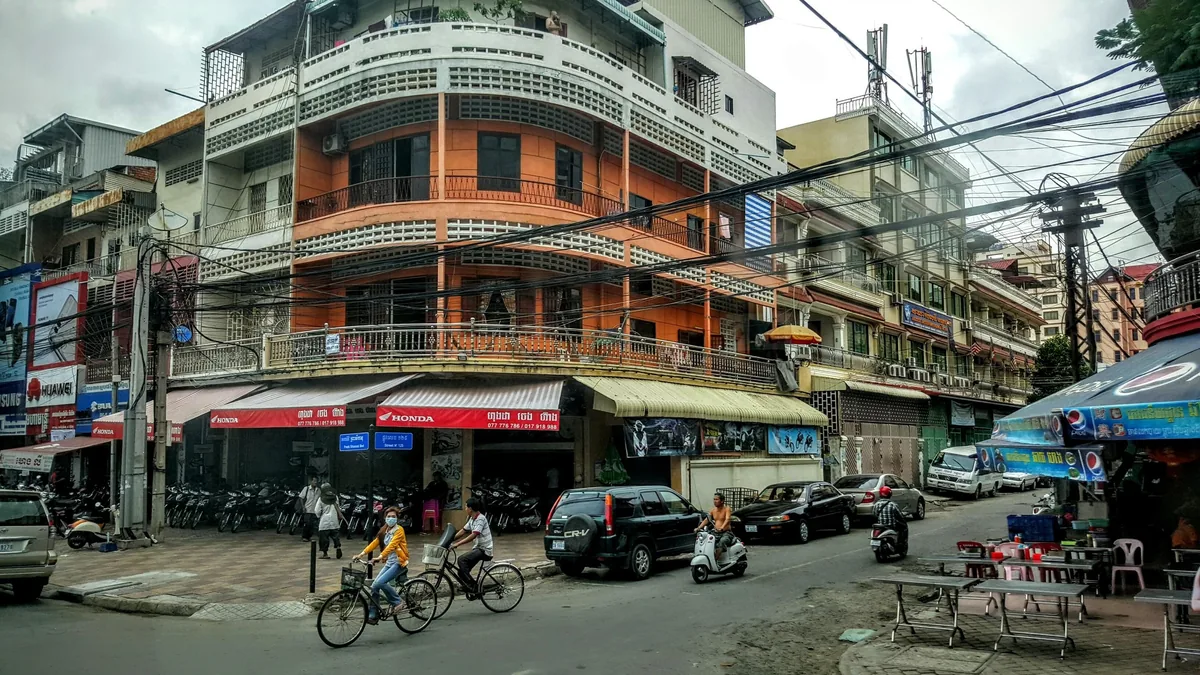
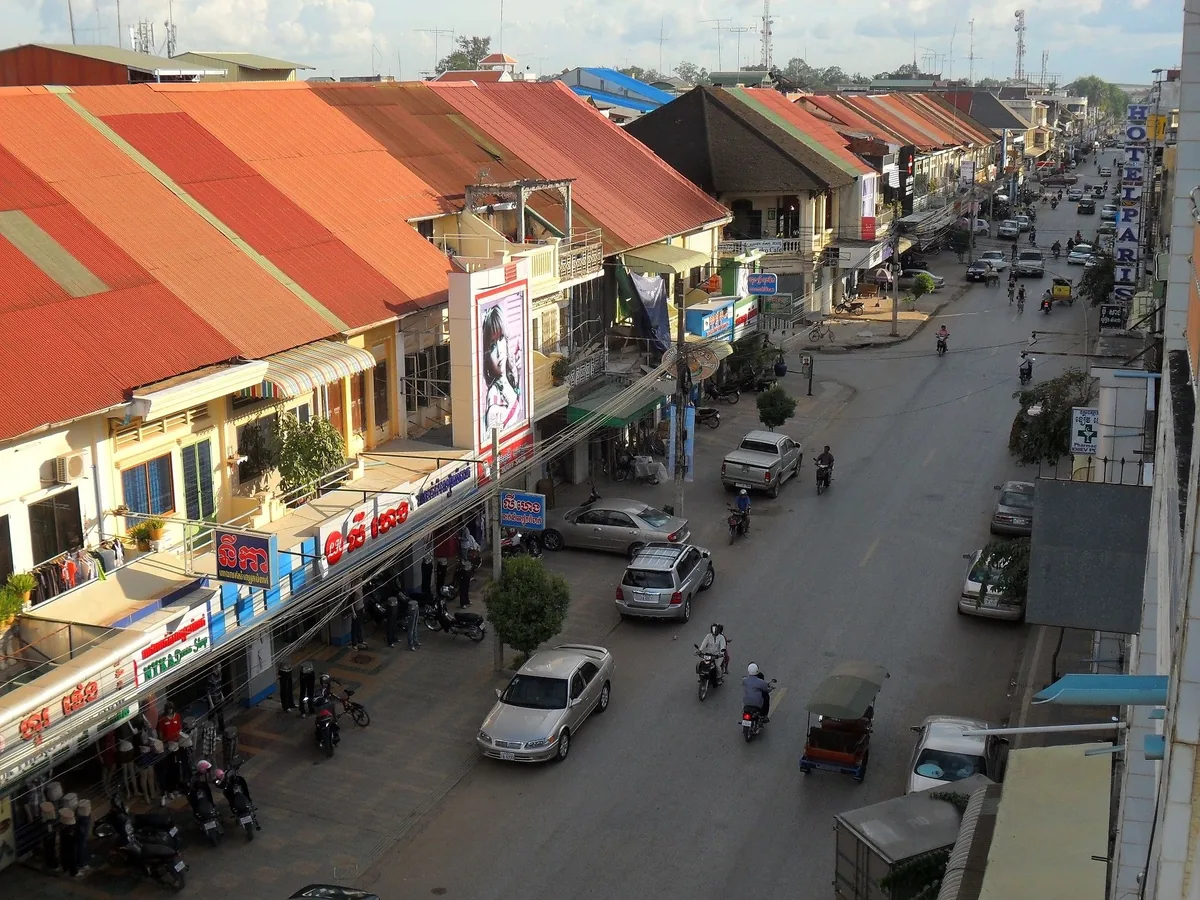
Five to six hours up National Road 5 through rice country, with a stop for lunch at a roadside kitchen along the way. Battambang was French provincial administration and Thai rule before that, and the shophouse blocks by the Sangker river still show it. We check in and walk the old quarter in the late afternoon, ending at the covered market when the vendors are packing down.
Day 4: Battambang — hills, temples and a working art school
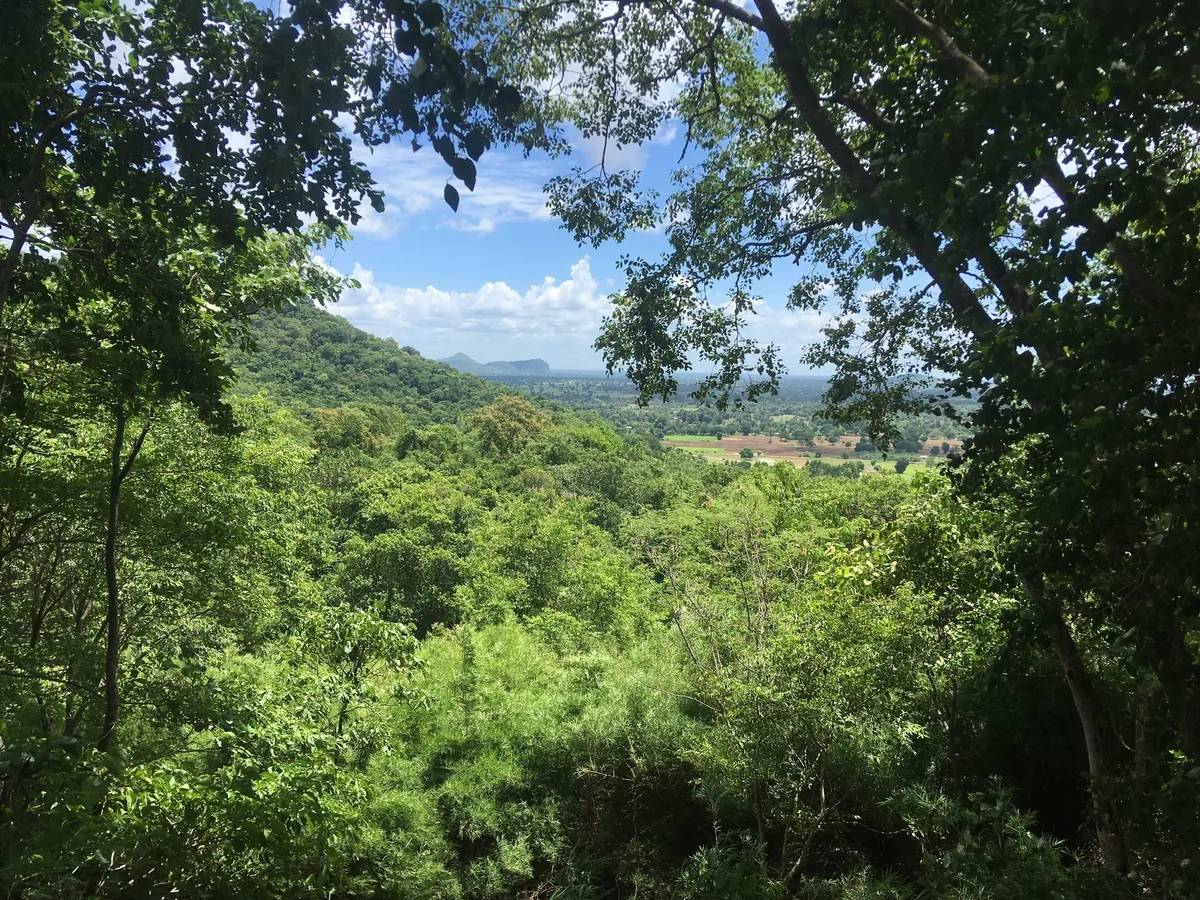
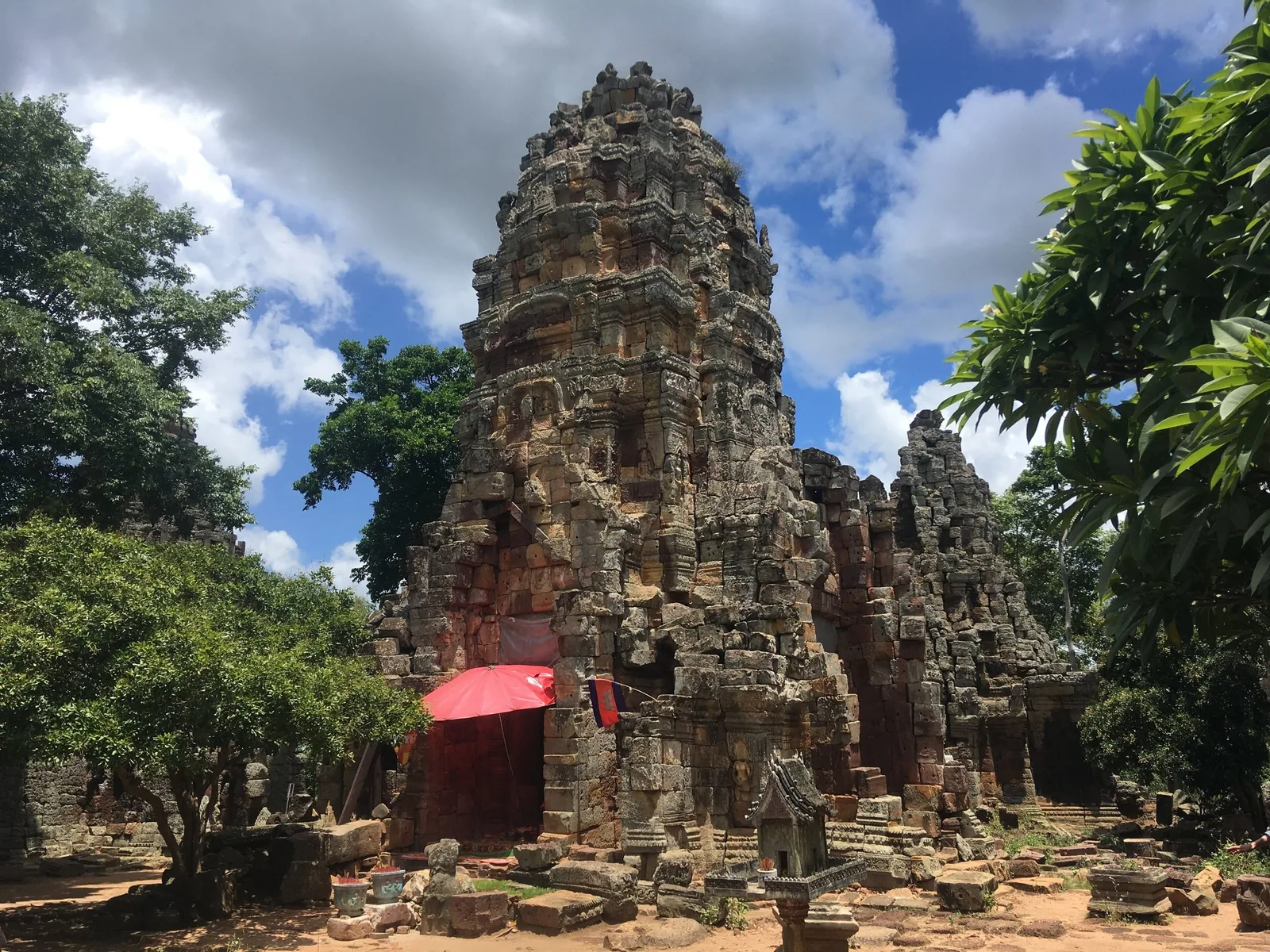
Out to Phnom Banan, a five-tower hilltop temple from the eleventh century that most visitors skip, then Phnom Sampeau, where a memorial marks the killing caves and the bat colony pours out of the cliff at dusk in a stream that lasts half an hour. In between, a visit to the circus and arts school that trains children from the surrounding villages. Evening free in town.
Day 5: To Siem Reap, and a first look at Angkor
Three hours east on National Road 6 to Siem Reap. After lunch and check-in we make a short first visit to the park — usually Pre Rup or Phnom Bakheng, both built to be climbed and both good places to work out the geography before the serious days begin. Your three-day Angkor Pass is issued this afternoon and is valid across any ten days.
Day 6: Angkor Wat, Angkor Thom and Ta Prohm
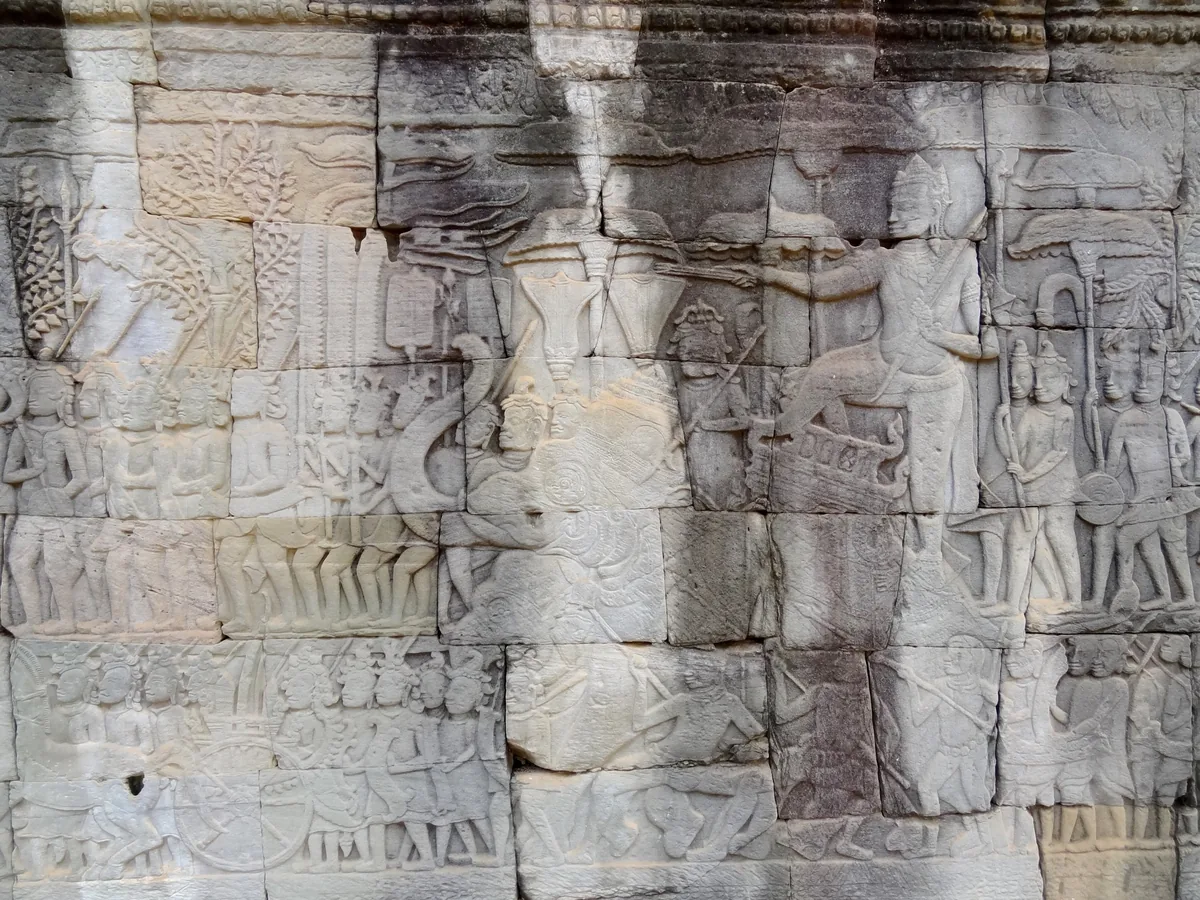
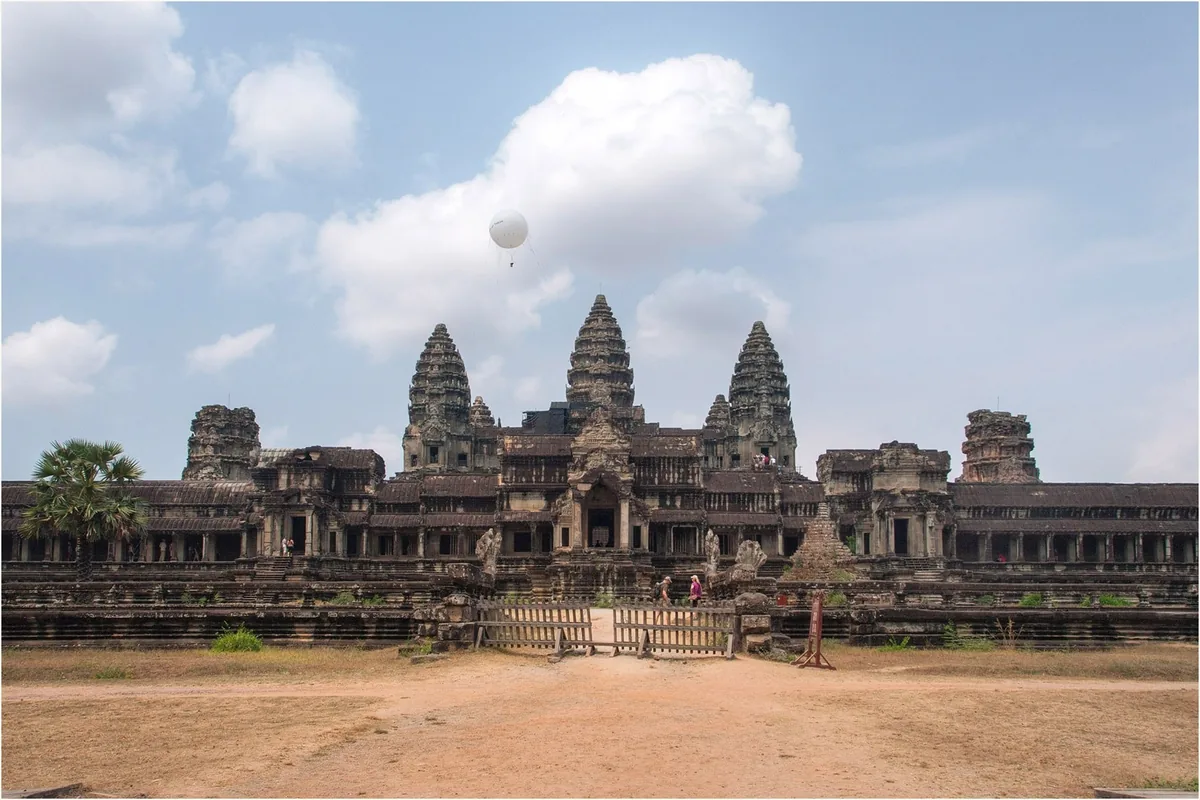
A pre-dawn start for Angkor Wat, built by Suryavarman II in the twelfth century and still the largest religious structure ever raised. We walk the bas-relief galleries before the heat. Angkor Thom follows — the Bayon with its fifty-odd towers of faces, the Terrace of the Elephants — and then Ta Prohm, left half-cleared so the silk-cotton roots still hold the stones apart. Back for a late lunch and a rest.
Day 7: Banteay Srei, the Roluos group and the lake
North to Banteay Srei, the small pink sandstone temple of 967 whose carving is the finest in the country and, unusually, was built by a priest rather than a king. On the way back we stop at the Roluos group, ninth-century and the oldest work in the park. Late afternoon on the Tonlé Sap at Kampong Phluk, a stilt village standing eight metres above the dry-season waterline.
Day 8: Flight south, and on to Kampot
A morning flight from Siem Reap–Angkor International to Techo, under an hour in the air, then the expressway and the coast road south-west to Kampot — around three hours with a stop. The town is small, low and set on a tidal river with the Bokor massif behind it. Check in, then a boat out on the river for the last of the light and dinner on the bank.
Day 9: Kampot pepper and the crab market at Kep
Morning on a pepper farm on the Kampot plain, where the vines are trained on poles and the crop carries a protected designation of origin. Then across to Kep, a French seaside resort in the 1960s and largely ruined since, for crab pulled from baskets at the market and cooked with green pepper on the stem. Back through the salt flats. Farewell dinner in Kampot.
Day 10: Departure
What´s included
- 9 nights in described hotels or similar
- Daily breakfast and 3 dinners
- Three-day Angkor Pass, issued in your name
- One-way domestic flight Siem Reap to Phnom Penh, hold baggage included
- Royal Railway or private vehicle for the southern leg, as the weekend timetable allows
- All road transport in air-conditioned vehicles with a driver
- Boat trips at Kampong Phluk and on the Kampot river
- All entrance fees listed in the itinerary, including the separate Phnom Banan and Phnom Sampeau tickets
- English-speaking Cambodian tour leader throughout, plus site guides at Tuol Sleng and Choeung Ek
- Arrival and departure transfers, and all tipping
Excluded
- International flights to and from Cambodia
- Cambodian e-visa or visa on arrival, arranged and paid by you before travel
- Travel insurance, which is a condition of joining the group
- Lunches, and any meal not listed above
- Koh Ker, Phnom Kulen and Beng Mealea, which sit outside the Angkor Pass and carry their own tickets if you add them
- Drinks, laundry and other personal expenses
Other journeys you may like