Small Group Journeys
Highlights
Tour Details
Itinerary
Day 1: Welcome to Phnom Penh
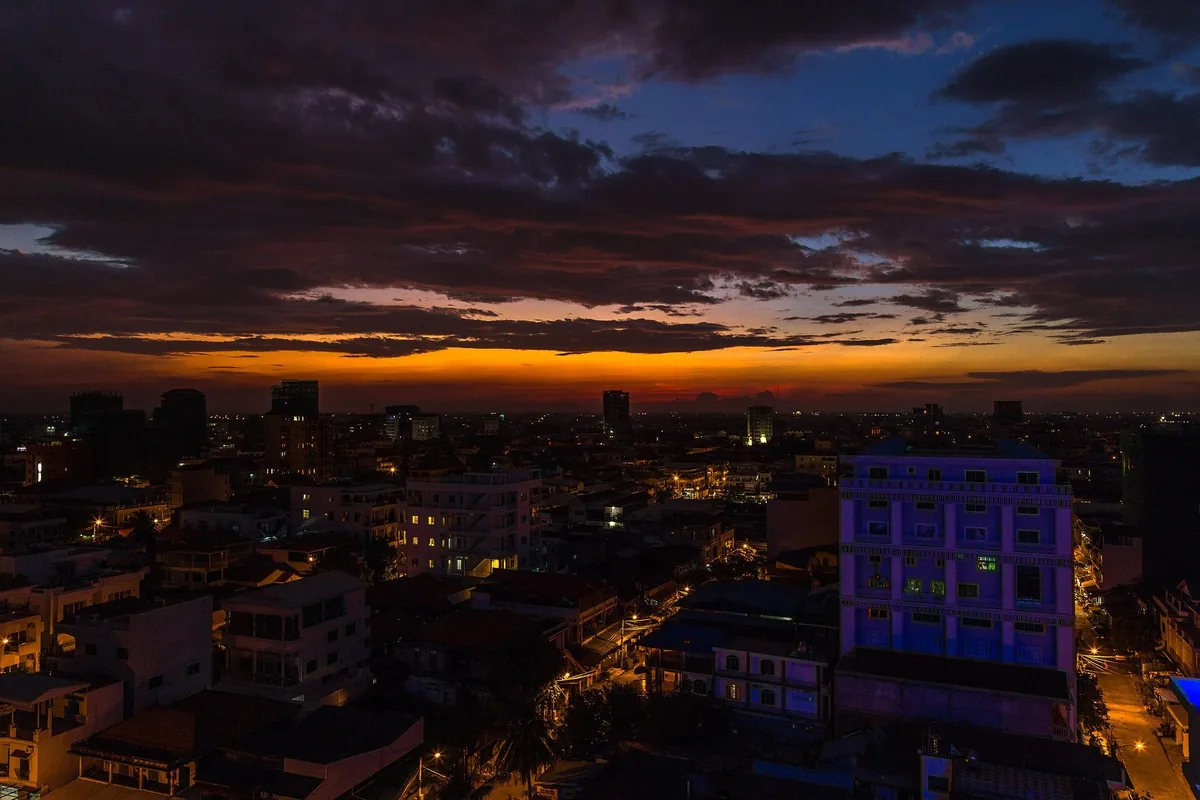
Someone meets you at Techo International Airport and drives you to the hotel. The group gathers later over welcome drinks, and your Tour Leader explains how the week is organised.
Day 2: Phnom Penh
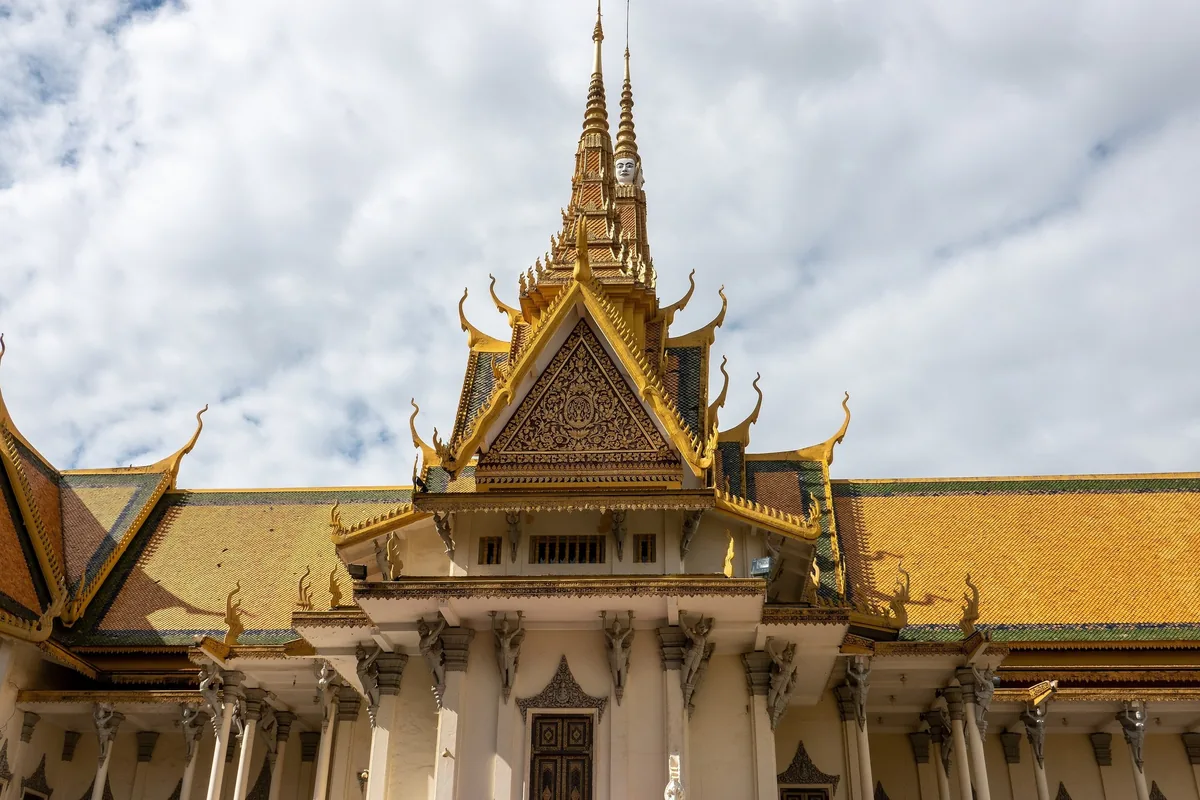
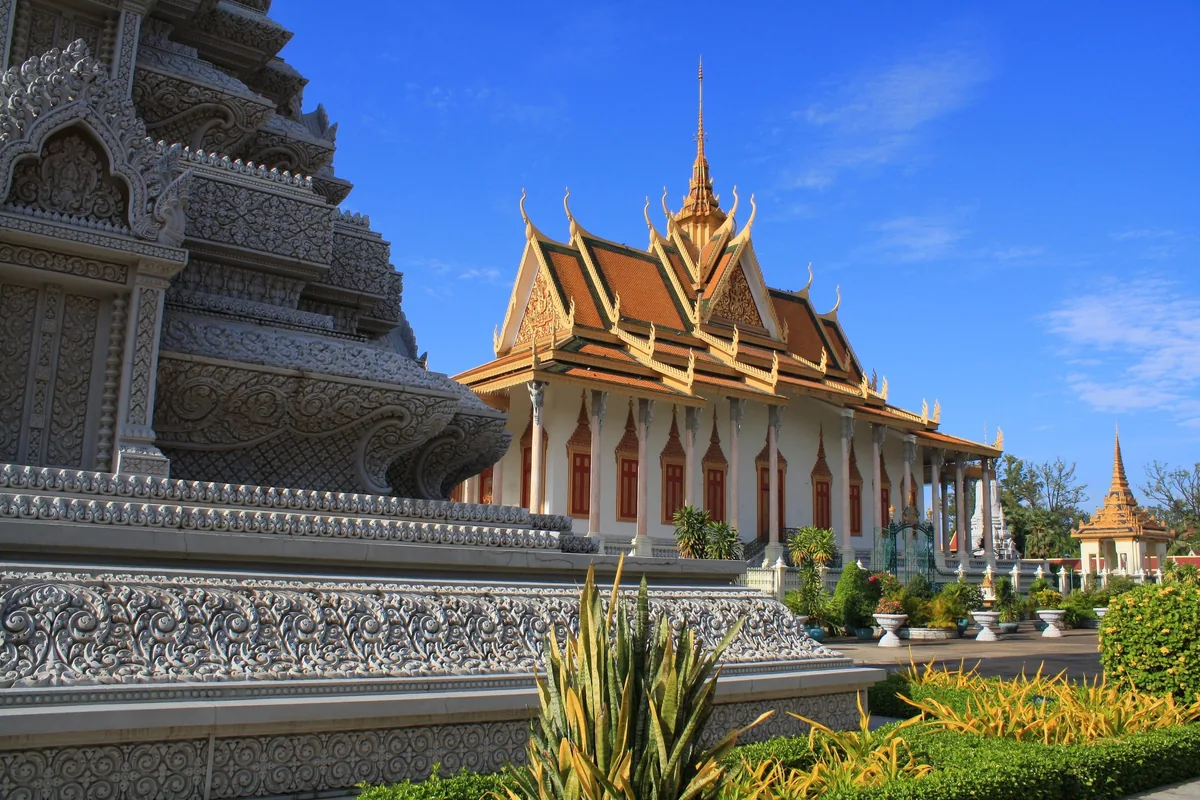
A cyclo is the way to see Phnom Penh: loud, restless and never dull. Begin at Wat Phnom, the temple hill where the city has its origin, then the Royal Palace — King Norodom Sihamoni still lives there — and the Silver Pagoda next to it; the National Museum, a short walk away, holds Khmer art in quantity. The Central Market follows, one of the capital’s great trading halls, its aisles running from discs and electronics through silk, jewellery and handicrafts. A restaurant in town serves lunch. The afternoon is given to Tuol Sleng, a school building put to use by the Khmer Rouge as a prison and interrogation centre and which is kept now as a record of what took place there. The Russian Market, sprawling and just as busy, ends the day.
Day 3: Phnom Penh to Kampong Thom
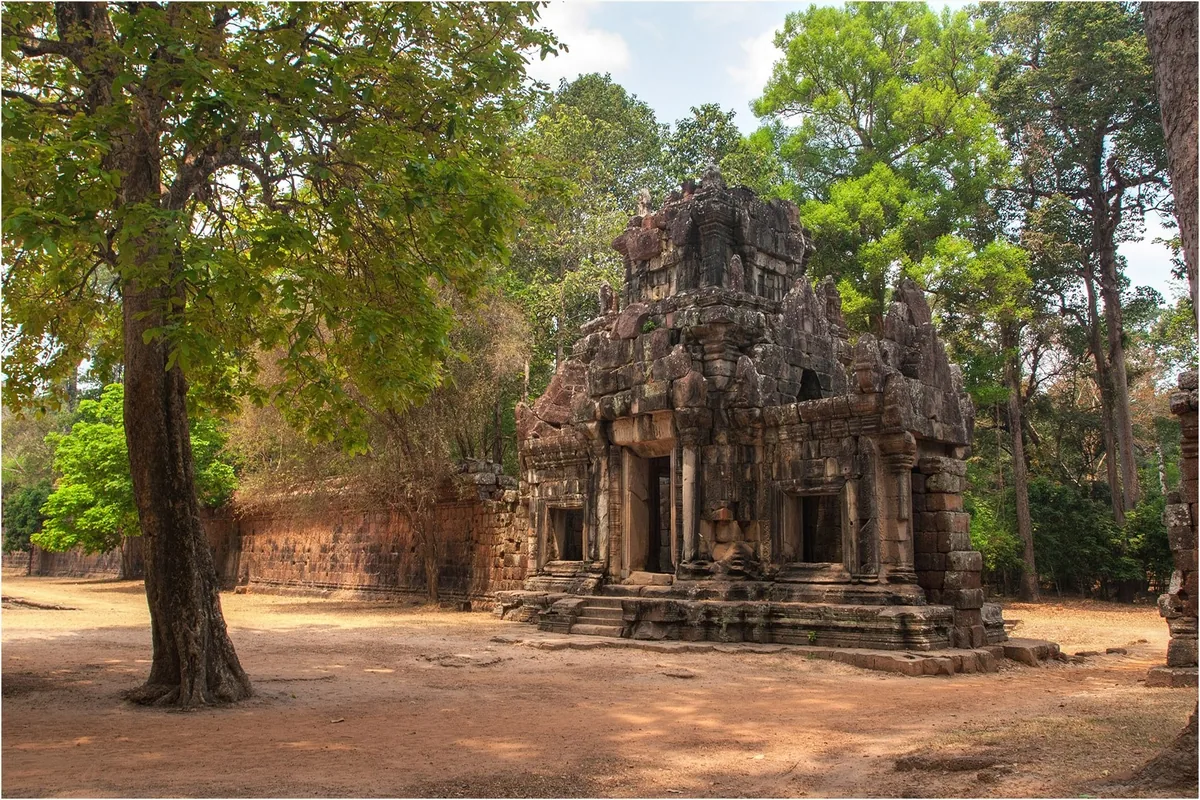
Today’s driving takes you to Kampong Thom. First stop is Skun, known for the spiders sold at its market. Further on lies Sambor Prei Kuk, once Isanapura, capital of Chenla, the state that came before Angkor. The brick towers stand roughly 30 km from town, reached along a rough unsurfaced track, and make up the country’s largest group of pre-Angkorian monuments, built for the most part during the 7th Century; UNESCO added the site to its list in 2017.
Day 4: Kampong Thom to Siem Reap
The day opens at the naga bridge of Kampong Kdei, an old Khmer causeway on the road towards Siem Reap, and carries on to Kampong Khleang, a floating village roughly 55 kilometres short of Siem Reap town — a large community on the rim of Tonle Sap, the biggest lake in South East Asia. A boat takes you out onto the water, where a way of living with few parallels is easy to see. Kampong Khleang is lived in all year, inside the flood plain of the lake and ringed by flooded forest, and fishing keeps it going. Houses move along the channel as the seasons change, and the outlook over the water is wide and still. Lunch is eaten at a restaurant nearby before the road continues to Siem Reap.
Day 5: Siem Reap
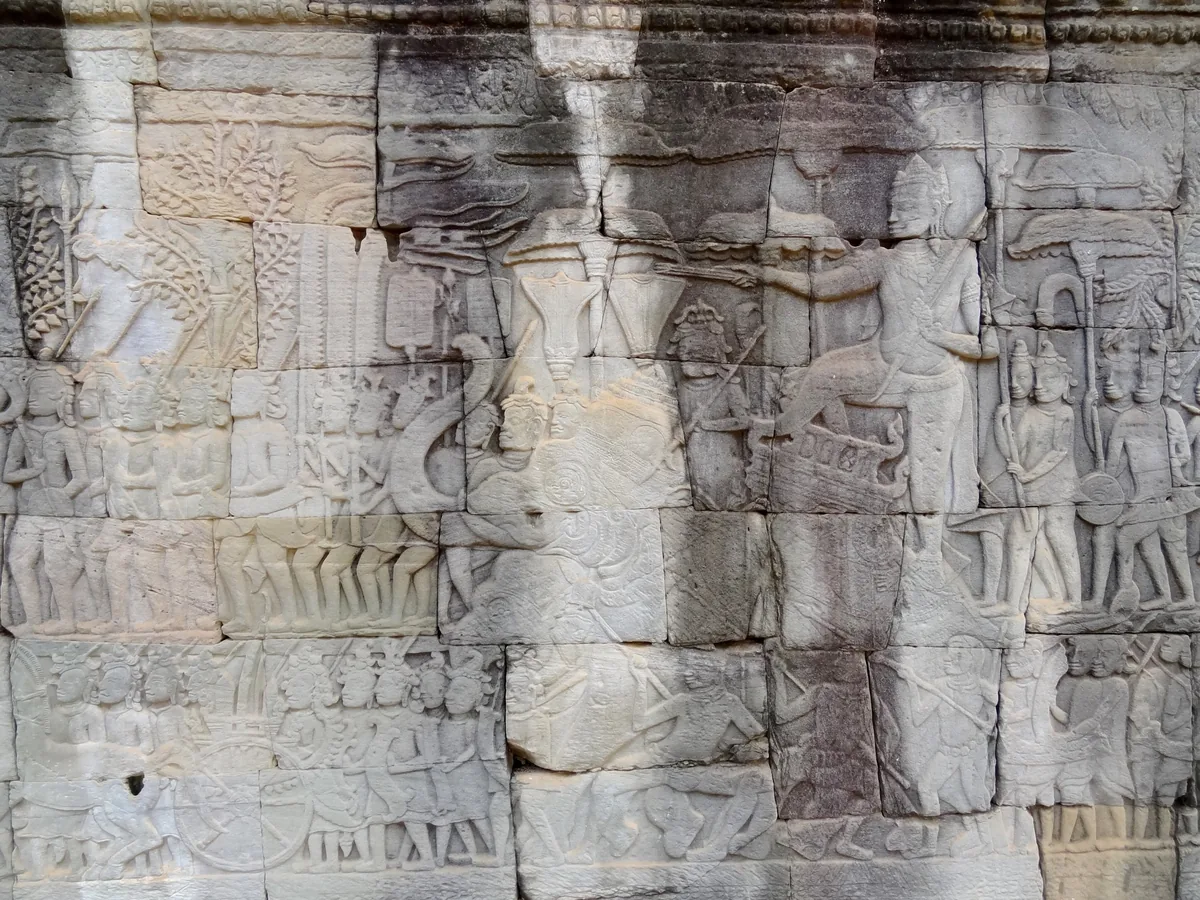
An early start again: you are up before daylight to see the sun come round behind Angkor Wat. Breakfast is taken at a restaurant nearby. From there you go in by the southern entrance to Angkor Thom, the walled 'Great City', which holds much of the finest work carried out during the reign of King Jayavarman VII, from 1181 to 1220. Enormous stone faces of Avalokiteshvara look down from the gate towers, 23m (75-foot) above you, and most people stop talking for a moment underneath them. The state temple, Bayon, occupies the middle of the citadel and also forms part of the morning: a temple-mountain completed in the closing years of the 1100s, its towers covered with hundreds of carved faces. The Elephant Terrace is included, as is the terrace named for the Leper King, along with Baphuon and Phimeanakas, both of them 11th-century works. The visit ends at Ta Prohm, and that is the one that stays with you, for the great trees that have sent thick roots over the walls; the film Tomb Raider was shot here. That the trees remain was a deliberate choice, made as the forest was pulled back, so that the temple would keep something of the condition in which it and its neighbours were found. Trunks now push through the stonework and climb higher than the temple roof.
Day 6: Siem Reap
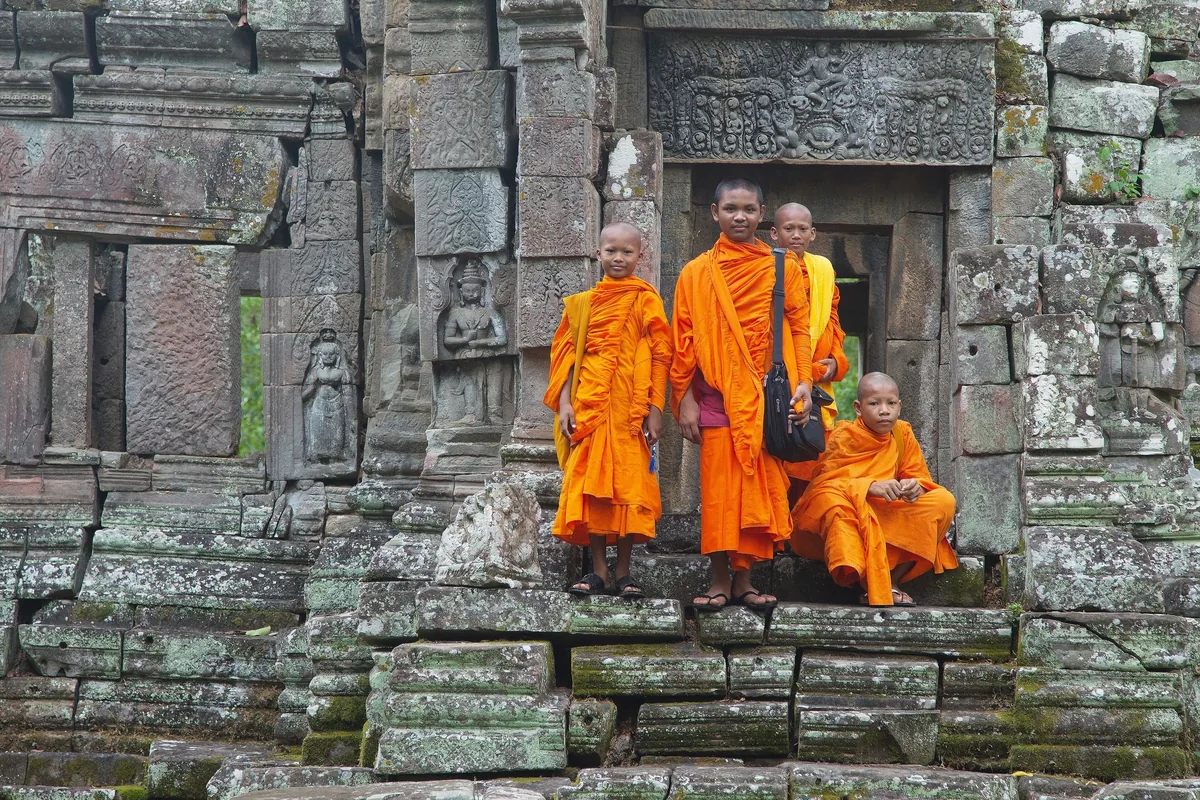
The morning heads out to Beng Mealea, with a pause at Domdek and its market along the way. What survives of Beng Mealea lies half under vegetation, put together from sandstone blocks cut to exact square edges. Its finest decoration dates from the early 1100s. Scenes from the Ramayana appear on several pediments, and Hindu imagery is everywhere on the site, yet the building served Buddhist worship, as Banteay Samre did; the two are close in date. The Bodhisattva Lokeshvara statue found here, now in the keeping of the Angkor Conservancy, puts the matter beyond doubt. Lunch is Khmer food eaten among Cambodian diners at a restaurant on the road, and Banteay Srei follows. The Landmine Museum comes next, founded in 1997; defused mines can be looked at closely, with an account of how they work and of how visitors can help with the long job of clearing them, in Cambodia and in the other countries still dealing with them. On the way back to town there is a village that works sugar palm, and Banteay Samre temple. The evening is spent at the theatre, the only one here with cooling, where dancers, musicians and singers carry older Khmer forms into a well-staged room, and the food is as good as any in Siem Reap.
Day 7: Departure from Siem Reap
Goodbyes today, though you go home with plenty to describe when you get there. A car collects you for the airport, an hour or so away, well ahead of your flight.
What´s included
- 6 nights in described hotels or similar
- Breakfast every morning
- 4 Lunches, 1 Farewell Dinner
- Road transport in air-conditioned vehicles
- Sightseeing in a group capped at sixteen
- Every entrance fee named in the itinerary
- An English-speaking tour leader throughout
- Tipping for guides, drivers and hotel staff, settled by us
- Transfers on arrival and on the day you fly home
Excluded
- Anything personal you spend along the way
- Entry requirements and any visa costs
- Porterage at hotels and airports
- Travel insurance, and the drinks, laundry, calls and mini-bar you settle yourself
Other journeys you may like